Temps and termites are on the rise. Schedule your free inspection today.

800-937-8398 Call us for a free quote Contact us

Are mosquitoes attracted to light?

Mosquitoes don't find you by following the light. Find out what really draws them in.

Quick facts about mosquitoes and light

  • Mosquitoes are guided by scent, body heat, and CO2 - not light
  • UV bug zappers have limited effectiveness against most mosquito species
  • Blue and white LED light can attract certain mosquitoes more than warm-toned bulbs
  • Yellow "bug lights" are a better outdoor lighting choice to deter insects

What actually attracts mosquitoes to you?

Mosquitoes have a reputation for ruining a good evening outside, but the reason they find you has nothing to do with your porch light. Unlike moths, which genuinely navigate by light, mosquitoes are guided by something far more personal: you. Your breath, your body heat, and the natural compounds your skin releases are what put you on their radar. In fact, light is mostly a distraction from what's really going on. 

Mosquitoes are not primarily visual hunters. They rely on a combination of chemical and thermal signals to locate their targets. By the time one lands on you, it has already picked up on several cues from your body. Light, by comparison, is a secondary factor at best. Here are the main things that draw mosquitoes to you:

Carbon dioxide

Every time you exhale, you release CO2. Mosquitoes can detect this from up to 100 feet away. It's often the first signal that tells them a host is nearby.

Body heat

Once they've locked onto a CO2 source, mosquitoes use heat sensors to zero in on warm skin.

Body odor and sweat

Compounds like lactic acid and ammonia, released through sweat and natural skin oils, help mosquitoes distinguish between potential hosts. This is why some people seem to attract more bites.

Standing water

Mosquitoes don't just bite near water, they breed there. Birdbaths, clogged gutters, and puddles are all prime egg-laying sites.

Are mosquitoes attracted to UV or blue light

Bug zappers and UV light traps are popular, but the science behind them is less convincing than the marketing. Research from the University of California, Irvine School of Medicine found that mosquito responses to light vary significantly by species, sex, and time of day. Night-biting species, like Anopheles mosquitoes, actually avoid UV and blue light during the day. Day-biting species, like Aedes aegypti (the yellow fever mosquito), are more broadly attracted to light spectra, but even then, light is not their primary driver.

Blue light, which is commonly emitted by LED bulbs, does appear to attract certain mosquito species more than warmer-toned lights. But again, this is a minor factor compared to CO2 and body heat. 

The takeaway? UV light traps alone are unlikely to make a meaningful dent in the mosquito population around your home. They may catch a few, but they won't address the real attractants. If you're looking for a practical lighting swap, yellow "bug lights" are a reasonable option for outdoor areas. They emit a wavelength that is less noticeable to most insects. Just don't expect them to solve a mosquito problem on their own.
Struggling with mosquitoes?

Call now to book your free inspection.

Effective methods to tackle mosquitoes

Light traps and DIY fixes can only go so far. If you're dealing with a persistent mosquito problem, the most effective approach combines good habits with professional treatment.

A few basics that help: remove standing water from your yard, keep vegetation trimmed, and use EPA-registered repellents on exposed skin when spending time outdoors. If you experience any skin reaction to a repellent, consult a healthcare professional. You can also explore natural mosquito repellents, though most work best as part of a broader strategy rather than a standalone fix.

DIY methods rarely address the root of the problem. Mosquito populations can rebound quickly, especially during warm months when breeding conditions are ideal. Our mosquito control services target mosquitoes at multiple life stages, from larvae in standing water to adults resting in vegetation, and include tailored recommendations to help reduce breeding sites on your property. 

For a full breakdown of how to get rid of mosquitoes around your home, our dedicated guide covers the most effective approaches in detail.

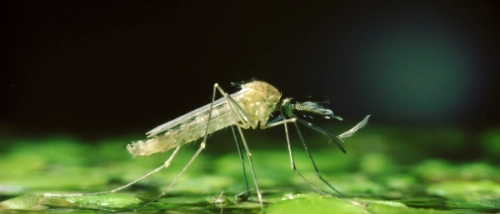
A mosquito feeling on a human

Start protecting your yard from mosquitoes 

Mosquitoes are more than a nuisance. They can carry diseases including West Nile virus, Zika virus, dengue fever, and heartworm in pets. With the right treatment plan, you can help protect your family and enjoy your outdoor spaces again.

Call Western Exterminator at 800-937-8398 or contact us online to schedule your free inspection today.

Book a free inspection

Frequently asked questions

Mosquitoes may fly near light sources, but they are not strongly attracted to light the way moths are. They rely far more on carbon dioxide, body heat, and scent to locate hosts. Light plays a minor role in their navigation, and artificial light can actually disorient some species.

UV bug zappers are generally not very effective for mosquito control on their own. Research shows that mosquito responses to UV light vary by species and time of day, and light-only traps tend to catch very few mosquitoes. They work better when combined with CO2 or scent attractants, but professional treatment remains the most reliable approach.

Warm-toned or yellow "bug lights" tend to attract fewer insects overall, including mosquitoes, compared to standard white or blue-toned bulbs. Switching to these bulbs for outdoor areas like patios and decks is a reasonable step, though it won't prevent mosquito bites on its own.

Find your local branch

Enjoy protection from 39 of the most common household pests with our annual residential pest control program, PestFree365+.