Temps and termites are on the rise. Schedule your free inspection today.

800-937-8398 Call us for a free quote Contact us

Flea facts and information

Everything you need to know about fleas, from spotting the signs to getting rid of them.

Fleas are tiny, biting pests that can plague your pets and home. They move fast, reproduce faster, and are notoriously difficult to get rid of without the right approach. If you're looking for reliable flea information, from what they look like to why they're so hard to get rid of, this guide covers everything you need to know. 

Quick facts about fleas

  • Fleas are tiny wingless insects
  • A single female flea can lay up to 50 eggs per day
  • They can jump up to seven inches, making them expert hitchhikers
  • Fleas can survive for months in carpets, bedding, and floor cracks without a host
  • Fleas go through four life stages: egg, larva, pupa, and adult


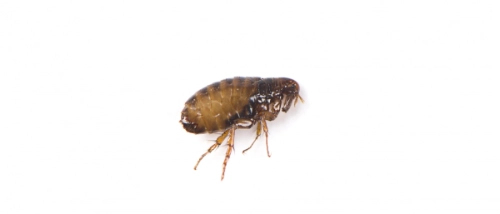
Close-up of a flea on a white background.

What are fleas? 

Fleas are small, parasitic insects that feed on the blood of mammals and birds. They've been a pest problem for thousands of years and remain one of the most common household nuisances across the U.S. today. While they're most often associated with cats and dogs, fleas will bite humans too.

What makes fleas so persistent is their life cycle? AS little as 5% of a flea population lives on the host animal at any given time. As much as 95% (eggs, larvae, and pupae) are hiding in your carpets, furniture, and bedding.

Flea identification checklist

  • Size: 1/16" to 1/8" long
  • Color: Reddish-brown to dark brown
  • Body: Flat, wingless, with six long legs built for jumping
  • Movement: Fast-moving; they scatter quickly when disturbed
  • "Flea dirt": Tiny dark specks (flea feces) on pet fur or bedding are a key sign

Different flea species 

There are more than 2,500 flea species worldwide, with over 300 found in the United States. According to the CDC, only a handful of species commonly affect people's health. Here are the ones you're most likely to encounter:

Cat flea

Ctenocephalides felis

The most common flea found on both cats and dogs. Over 90% of fleas found on household pets belong to this species. Cat fleas can also bite humans and can transmit murine typhus and cat scratch disease.

Dog flea

Ctenocephalides canis

Similar in appearance to the cat flea but slightly different in head shape. Despite the name, dog fleas will also infest cats, humans, and wildlife. Both cat and dog fleas can carry tapeworm parasites.

Oriental rat flea

Xenopsylla cheopis

This species is the primary vector of plague and is most commonly found on rodents. It's less likely to infest your home directly, but rodent activity near your property can increase the risk of exposure.

Human flea

Pulex irritans

Less common today due to improved sanitation, but still present. Human fleas prefer people as hosts but will also feed on dogs, cats, and pigs.

Seeing fleas?

Call now to book your free inspection.

Key signs of a flea infestation 

Catching a flea problem early makes a real difference. Watch for these warning signs:

  • Excessive scratching or grooming in pets, particularly around the neck, base of the tail, and belly
  • Small, red bite marks on your ankles or lower legs, often in clusters or a line
  • Flea dirt - dark specks on pet bedding, carpets, or furniture
  • Visible fleas jumping on light-colored surfaces, socks, or pet fur
  • Restless or irritable pets that seem uncomfortable despite no obvious cause
  • Pale gums in pets, which can indicate anemia from heavy flea feeding

If you're noticing any of these signs, it's worth acting quickly. Flea populations grow fast.

Preventing fleas

Prevention is always easier than treatment. Start with your pets. Treat them year-round with a vet-recommended flea product, since fleas stay active in every season across the Western states. Inside, vacuum carpets, rugs, and pet bedding regularly, and wash bedding in hot water to knock back eggs and larvae before they develop.

Outside, keep your yard mowed and clear of leaf litter, and limit wildlife access by securing trash cans and sealing crawl spaces. Opossums, raccoons, and stray cats are common carriers.

DIY steps like these can help reduce flea activity, but they rarely address the full life cycle. For lasting results, professional treatment is the most reliable option.
Professional flea control

Fleas are one of the trickier pests to manage on your own. Because so much of the population lives off the host, surface treatments often miss the eggs and larvae hiding deep in carpet fibers, floor cracks, and furniture. Without treating the environment as well as the pet, re-infestation is common.

At Western Exterminator, our technicians are trained to identify flea activity at every life stage. We'll inspect your home, pinpoint where fleas are breeding, and put together a treatment plan that targets the full infestation. Fleas are also covered under our PestFree365+ year-round protection plan, which covers 39 of the most common household pests.

Schedule a free inspection with your local Western Exterminator team today.


Frequently asked questions

Fleas are drawn to warmth, movement, and the carbon dioxide exhaled by warm-blooded animals. Pets that spend time outdoors, homes near wildlife activity, and properties with shaded, moist yard areas are all at higher risk. Keeping your yard tidy and treating pets year-round are two of the most effective ways to reduce attractants.

Fleas don't typically live on humans the way they do on pets, but they will bite people and can hitch a ride on clothing or shoes. If your home has a flea infestation, you may notice bites on your ankles and lower legs. Fleas prefer animal hosts, but they won't pass up a human meal if one is available.

Yes, fleas can pose real health risks. They can transmit diseases including murine typhus and cat scratch disease, and they can carry tapeworm parasites. Heavily infested pets, especially young or small animals, can develop anemia from blood loss. If you suspect a flea-related illness in yourself or your pet, seek advice from a healthcare or veterinary professional.

There are more than 2,500 flea species worldwide, with over 300 found in the United States. The cat flea (Ctenocephalides felis) is by far the most common species found in U.S. homes, accounting for over 90% of flea infestations on both cats and dogs.

Look for fast-moving, reddish-brown specks on your pet's fur, especially around the neck and base of the tail. You may also notice dark specks (flea dirt) on bedding or carpets, or small red bite marks on your own ankles. A flea comb and a white paper towel can help you check your pet more thoroughly.

Find your local branch

Enjoy protection from pests all year long with PestFree365+. See how our home pest control plan can protect you and your family from 39 common pests.