Temps and termites are on the rise. Schedule your free inspection today.

800-937-8398 Call us for a free quote Contact us

Fly facts and information

A guide to common fly species: the impact they can have on your home or business, prevention tips, and more fly information.

Flies are one of the most common pests in the U.S., found in homes, restaurants, warehouses, and food facilities across the West Coast. While they may seem like a minor nuisance, these insects are capable of spreading bacteria and contaminating food in seconds.

Quick facts about flies 

  • Over 18,000 fly species are found in North America
  • House flies can carry more than 130 pathogens
  • A single female house fly can lay up to 500 eggs in her lifetime
  • Flies taste with their feet and feed by regurgitating saliva onto food
  • Populations can grow fast in warm climates like California and Arizona


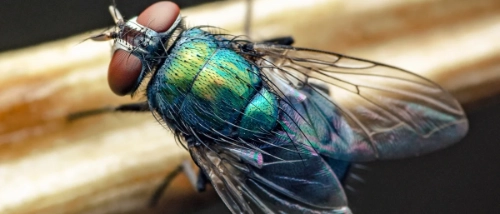
A fly resting on a wooden stick

What are flies? 

Flies belong to the order Diptera, meaning "two wings." Most species are harmless in small numbers, but a small problem can become a large infestation in a matter of days if the conditions are right.

What makes flies particularly concerning is how they feed. They land on decaying matter, garbage, and animal waste, picking up bacteria. Then they land on your food. That’s why fly control matters, especially in food-handling environments.

Fly identification checklist

  • Size: Most common species range from ¼ inch to ½ inch in length
  • Color: Typically grey, black, or brown, depending on species
  • Body: Three distinct segments (head, thorax, abdomen), six legs, and one pair of wings
  • Eyes: Large, reddish compound eyes that give them a wide field of vision
  • Wings: Clear or slightly tinted, held flat against the body at rest

Different fly species 

There are thousands of fly species in North America, but a handful are responsible for most pest problems in homes and businesses. Each species has its own habits, preferred breeding sites, and associated risks. Here's a look at the ones you're most likely to encounter.

The most common fly found indoors. House flies are grey with four dark stripes on their thorax and measure around a quarter of an  inch long. They breed in garbage, animal waste, and decaying organic matter. Because they feed on filth and then land on food and surfaces, they're one of the more significant fly species from a hygiene standpoint.

Small, tan-colored flies with red eyes, measuring around one-eighth of an inch. Fruit flies are drawn to fermenting and overripe produce, drains, and sugary spills. They reproduce quickly and are a common problem in kitchens, bars, and food processing facilities.

Larger and slower-moving than house flies, cluster flies are dark grey with golden hairs on their thorax. They don't breed indoors or pose a direct health risk, but they gather in large numbers inside walls and attics during cooler months, which can be difficult to manage without professional help.

Also called humpbacked flies due to their distinctive arched thorax. Phorid flies are tiny, measuring around one-eighth of an inch, and are often found near drains, sewage, or decaying organic matter. They're a red flag for underlying sanitation issues and can be particularly problematic in healthcare and food service settings.

Fungus gnats are slender, dark-colored flies that look similar to mosquitoes. They breed in damp soil and are commonly found near overwatered houseplants. While they don't bite or spread disease, they can damage plant roots and become a persistent nuisance indoors.

Seeing flies?

Call now to book your free inspection.

Key signs of flies 

Spotting a fly or two doesn't always mean you have a problem. But certain signs point to a more serious infestation that needs attention:

  • Frequent sightings of flies indoors, especially in kitchens, bathrooms, or near trash areas
  • Clusters of flies resting on walls, ceilings, or windows
  • Small dark spots (fly specks) on surfaces, walls, or light fixtures — these are fly droppings
  • Maggots (fly larvae) near garbage, drains, or decaying organic matter
  • A persistent musty or foul odor that may indicate a nearby breeding site
  • Flies near drains or consistently returning to the same spot, which can signal a hidden breeding source

If you're seeing any of these signs regularly, it's worth getting a professional assessment.

Open netted door

Preventing flies

The basics go a long way: seal gaps around windows, doors, and vents, store food in sealed containers, and keep trash bins covered and emptied regularly.

Drains are a commonly overlooked breeding site, especially for fruit flies and phorid flies, so cleaning them regularly is worth adding to your routine. Outside, keep compost bins covered, clear fallen fruit, and fix any standing water or drainage issues.

If flies keep coming back, there's usually a breeding source nearby. That's where professional fly control makes the real difference.

Professional fly control 

Flies aren't just a nuisance. Research published in the Journal of Food Protection confirms that house flies and blow flies can mechanically transmit pathogens including Salmonella, E. coli, and Campylobacter to food and surfaces. For homes, that's a hygiene concern. For businesses in food service, hospitality, or healthcare, it can mean regulatory risk and reputational damage.

Whether you need a one-time treatment or ongoing fly control, our specialist residential pest control and commercial pest control are ready to help.


Frequently asked questions

The most effective way to get rid of flies is to locate and remove their breeding source. This usually means addressing garbage, drains, decaying matter, or moisture issues. DIY methods can help reduce numbers temporarily, but professional fly control is the most reliable long-term solution. Our technicians will identify the source and recommend the right treatment for your property.

Flies can't chew solid food. Instead, they regurgitate saliva onto food to break it down, then suck up the liquid. They also defecate while feeding. This is why even brief contact between a fly and your food can be a hygiene concern.

Flies are attracted to food, moisture, and warmth. Common attractants include uncovered garbage, overripe fruit, pet waste, standing water, and drains with organic buildup. Open windows and doors without screens also give them easy access.

It depends on the species and environmental conditions. House flies typically live 15 to 25 days as adults, while fruit flies can live 40 to 50 days. Warmer temperatures speed up their development, which is why fly populations can grow quickly in summer.

Find your local branch

Find out more about Western Exterminator and our services