Temps and termites are on the rise. Schedule your free inspection today.

800-937-8398 Call us for a free quote Contact us

Rodent facts and information

A guide to rodents, the signs of their presence, how to prevent them, and more rodent information.

Rodents are among the most common pests found in homes and businesses across the U.S., with mice and rats by far the most frequent culprits. They chew through wires, contaminate food, and can carry diseases that pose real risks to people and pets. 

Quick facts about rodents

  • Mice and rats are the most common rodent pests in U.S. homes and businesses.
  • Rodents make up around 40% of all mammal species on Earth.
  • A mouse can fit through a gap as small as a dime.
  • Rodents chew constantly, including wiring, insulation, and structural materials.
  • Squirrels, voles, gophers, and chipmunks are also common rodent pests.


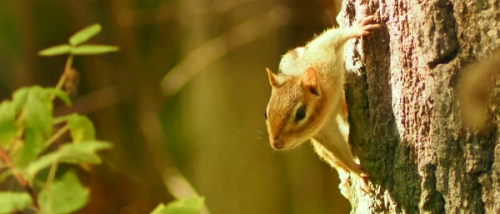
A chipmunk on a tree.

What are rodents

Rodents are one of the most diverse groups of mammals on the planet. While rats and mice often get the most attention, a wide range of other rodents can cause just as much trouble around your home or yard. Chipmunks, gophers, squirrels, and voles are all members of the order Rodentia, sharing one defining trait: continuously growing incisor teeth that they must keep worn down by gnawing. Their name comes from the Latin word rodere (to gnaw).

What all of these animals have in common is their ability to disrupt your property. From torn-up lawns and damaged plant roots to chewed wiring and structural issues, these pests can be costly to deal with if left unchecked.

Use our rodent identification guide for a more detailed look at common species.

Different types of rodents 

There are thousands of rodent species worldwide, but a handful are responsible for most of the property damage seen. Below are the six you're most likely to encounter.

The most common rodent pest in U.S. homes and businesses. House mice can squeeze through a gap as small as a dime and reproduce rapidly; a single female can have up to 35 offspring per year. They contaminate food, chew wiring, and leave behind droppings that can spread disease.

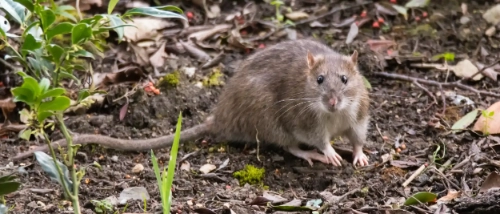
Rats are larger, bolder, and harder to miss, but they're just as destructive. Norway rats burrow along foundations, while roof rats prefer attics and upper structures. Both can gnaw through wood, plastic, and even some metals. If you've spotted one rat, there are almost certainly more nearby.

Chipmunks are small, striped rodents that are active during the day. While they may look harmless, chipmunks can dig burrows under foundations, patios, and retaining walls, which can cause structural issues over time. They also raid bird feeders and garden beds, and can chew through irrigation lines and cables.

Pocket gophers are burrowing rodents that spend almost their entire lives underground. Gophers are strict herbivores, cutting plant roots from below and pulling vegetation into their tunnels. A single gopher can control a territory of up to 2,000 square feet, and their tunnel systems can extend hundreds of feet. The telltale sign is a fan-shaped or crescent-shaped mound of soil with a plugged entrance hole.

Squirrels are one of the most visible and recognizable wildlife pests. They're agile climbers and can access your home through gaps in roofing, vents, and soffits. Once inside, they can chew through wiring, insulation, and structural materials, creating fire hazards and costly damage. Outside, they dig up bulbs, raid bird feeders, and strip bark from trees.

Voles, sometimes called meadow mice, look similar to house mice but are stockier with shorter tails. They create surface runways through grass and can cause serious damage to trees, shrubs, and garden plants by gnawing on bark and roots. Voles are active year-round and can girdle the base of trees and shrubs, eventually causing them to die.

Struggling with rodents?

Call now to book your free inspection.

Key signs of rodents

Rodents are good at staying out of sight, but they leave behind plenty of clues. Here are the most common signs to watch for:

  • Droppings: Small, dark pellets near food sources, in cupboards, or along baseboards
  • Gnaw marks: On food packaging, furniture, wiring, or structural materials
  • Scratching sounds: Particularly at night, coming from walls, ceilings, or under floors
  • Nesting materials: Shredded paper, fabric, or insulation in hidden corners
  • Grease marks: Dark smears along walls or baseboards where rodents travel regularly
  • Unusual odors: A musty smell can indicate a nest or significant rodent activity
  • Sightings: Spotting one rodent during the day often means more are present

If you're seeing any of these signs, it's worth getting a professional opinion.

Brown rat in the field

Preventing rodents

The best way to keep rodents away from your property is to remove what attracts them in the first place.

Keep bird feeders clean, secure compost bins, clear fallen fruit, and store firewood away from the building. Trim back trees and shrubs that overhang your roof, and use wire mesh or hardware cloth around the base of trees and garden plants to protect roots and bark from voles and gophers.

Gaps around vents, rooflines, and utility lines can give small rodents easy access to your home, and once they're in, the damage can be costly. For lasting results, rodent exclusion services are the most reliable way to protect your property.
 

Professional rodent control 

If you're seeing signs of rats, mice, or other rodents on your property, the best move is to get a professional assessment. 

At Western Exterminator, we offer rodent control and removal services tailored to the specific pest and your property. Our technicians use humane trapping, exclusion, and prevention methods, all in line with local laws and regulations.


Frequently asked questions

There are over 2,200 known species of rodents worldwide, making them the largest order of mammals on Earth. They range from tiny voles and chipmunks to larger animals like beavers and porcupines. In the western U.S., the species you're most likely to encounter around your property include mice, rats, squirrels, gophers, voles, and chipmunks.

Rodents are drawn to three things: food, shelter, and warmth. Unsecured trash, bird feeders, fallen fruit, and pet food left outside are common attractants. Gaps around vents, utility lines, roofing, and foundations can give squirrels and chipmunks easy access to your home, while gophers and voles tend to stay in the yard and garden.

Some rodents can carry diseases that pose risks to people and pets. Droppings, urine, and nesting materials from certain species may contain bacteria or pathogens. If you find signs of rodent activity inside your home, avoid handling droppings directly and consult a healthcare professional if you have any health concerns. Our technicians can help assess the situation and advise on next steps.

It depends on the species. Voles are among the fastest breeders, capable of producing multiple litters per year under the right conditions, which can lead to rapid population growth. Squirrels typically have one or two litters annually. Getting on top of an infestation early makes control much more manageable.

Common signs include mounds of soil in your yard, surface runways through grass, gnaw marks on bark or roots, wilting plants, and spongy or raised patches of lawn. Inside, listen for scratching sounds in your walls or attic, chewed wiring or insulation, and droppings.

Further reading

What’s the difference between these two pests?

Learn how to tell the difference between mouse and rat droppings.

Find your local branch

Enjoy protection from pests all year long with PestFree365+. See how our home pest control plan can help protect you and your family from 39 common pests.