Temps and termites are on the rise. Schedule your free inspection today.

800-937-8398 Call us for a free quote Contact us

Tick facts and information

Ticks are arachnids, which puts them into the same class as spiders and other eight-legged creepy-crawlers. They are very small, with most species barely bigger than the head of a pin, and they feed entirely on blood in order to grow and reproduce. These pests latch on to animals like deer, micerats, squirrels, birds, dogs, cats - and humans.

Ticks are notorious pests known for the diseases that they carry and transmit. The most famous of those is Lyme disease, which can have crippling lifelong symptoms, but there are plenty of other tick-borne diseases. You can find more tick information below to help identify species and reduce your exposure.

Western Exterminator local tick prevention professionals will determine if you have a tick infestation, stop it, and help you prevent ticks from returning. You just need to call us at 800-937-8398 or use the online form to schedule an appointment.


Western Exterminators' guide to ticks

In the sections below, you’ll learn about the most common tick species, tick-borne diseases, what they eat, and where they live. You’ll also find essential tick information about prevention and treatment options for both homes and businesses. First, we take a look at the different species.

Common tick species in the Western U.S.

The common species of ticks found in the U.S. include:

  • Deer ticks - common carriers of Lyme disease, also known as blacklegged ticks
  • American dog ticks
  • Rocky Mountain wood tick - carriers of the dangerous Rocky Mountain spotted fever
  • Gulf Coast tick
  • Brown dog tick
  • Lone star tick
A tick on a white background

What do ticks look like?

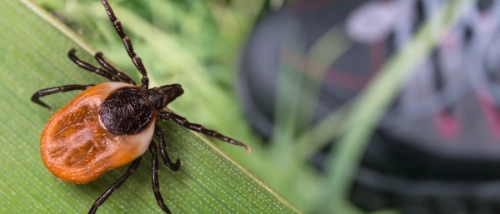
Ticks are small, flat-bodied arachnids with eight legs. Their size varies depending on species and life stage. Larvae can be as small as 1/32 of an inch, while adult ticks like the American dog tick can grow up to 1/8 of an inch, and sometimes swell larger when feeding.

They come in shades of brown, reddish-brown, or black. Some have distinct markings; for example, the lone star tick has a white spot on its back. Ticks do not have wings or antennae. Their bodies become more rounded as they fill with blood.

For more information, see our separate page on how to identify ticks.

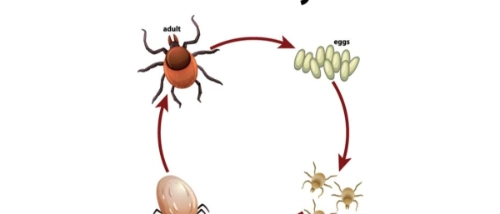
An illustration of the tick lifecycle - showing eggs, larvae, nymph, and adult ticks

Lifecycle of ticks

Ticks have four distinct life stages: egg, larva, nymph, and adult. Each stage requires a blood meal before moving on to the next, and understanding these stages can help you spot signs of activity and take action. 

Below, we examine each phase of the tick life cycle in more detail.

Egg

The life of a tick starts when a female lays eggs, up to 18,000 in her lifetime. Hard ticks usually lay their eggs outside in the soil during spring, while others, like brown dog ticks, may lay their eggs indoors. Eggs are tiny and hard to detect, often tucked away in sheltered, hidden spots. 

Larva

Also known as seed ticks, larvae hatch with six legs and are very small—about the size of a grain of sand. They immediately search for a host to get their first blood meal. Once fed, they drop off the host and molt into nymphs. At this stage, they typically target small animals like rodents.

Nymph

Nymphs have eight legs and are slightly larger than larvae but still difficult to see. They are active feeders and more likely to bite humans or pets. This stage is often responsible for spreading tick-borne illnesses, as nymphs are small and go unnoticed. If you're outdoors during warmer months, check yourself and your pets regularly.

Adult

Adult ticks seek larger hosts like deer, dogs, or humans. After feeding, females will mate and lay eggs, starting the cycle again. Adults use a behavior called questing, where they climb grass or brush and extend their front legs to grab onto a passing host.

A deer tick on a leaf near a human foot in a running shoe

Preferred habitat of ticks

Ticks thrive in warm, humid environments. Outdoors, they are often found in tall grass, brush, leaf piles, or wooded areas. They prefer shaded spots where animals are likely to pass by. Lawns that are overgrown or bordered by wooded areas are typical hotspots.

Brown dog ticks are the most likely species to survive and breed indoors. They can hide in cracks, bedding, carpets, and behind furniture. Homes with pets are especially at risk.

Reducing outdoor clutter and keeping grass trimmed are simple ways to help reduce tick activity.

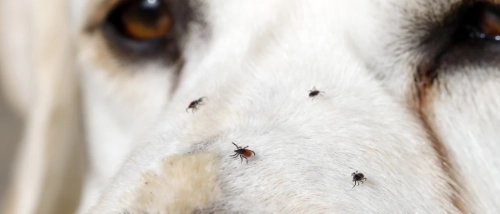
Ticks crawling on a dog’s nose

What do ticks eat?

Ticks feed only on blood. They use specialized mouthparts to pierce the skin of animals or humans and draw blood for nourishment. They cannot jump or fly, so they rely on brushing against a host to attach themselves.

Each life stage requires a blood meal. Larvae might feed on smaller animals like mice. Nymphs and adults often target larger animals, including pets and humans. Their feeding can last from a few hours to several days.

Because ticks depend on blood for survival, they often stay close to animal activity. If you're finding ticks indoors or in your yard, you likely have host animals nearby.

What are the dangers of ticks?

There are several diseases ticks carry and can transmit to humans or other animals. Common tick-borne diseases include are:

  • Lyme disease
  • Rocky Mountain spotted fever
  • Colorado tick fever
  • Typhus - various forms are known to be from transmitted by ticks
  • Tick paralysis

If you’ve been bitten, speak with a healthcare professional, especially if symptoms like rash, fever, or fatigue appear. Learn how to remove a tick properly to reduce the chance of infection.

Recognizing the danger signs of ticks

Watch for signs like unexplained bites, rashes, or ticks on pets. A tick bite is often painless, but redness or a bull's-eye rash may appear later. Pets scratching more than usual or showing signs of fatigue could mean they have ticks.

If you see ticks in your home or on clothing after spending time outdoors, it may point to a nearby infestation. Regular checks and quick action can help you get rid of ticks early and avoid greater issues.

Where are ticks typically found?

Ticks thrive in areas with warmth, moisture, and access to animals. Outdoors, they’re most often found in tall grass, woodpiles, shaded gardens, forest edges, deserts, and even coastal areas. These pests wait in dense vegetation for a passing host to latch onto.

Different tick species favor different environments. For example:

  • The western blacklegged tick is common in California, the Midwest, British Columbia, and parts of Mexico. 
  • The Rocky Mountain tick tends to live in higher elevations across Nevada, Idaho, Oregon, and Washington. 
  • The American dog tick is widespread throughout North America.

Unlike most species, brown dog ticks can survive indoors, often hiding in bedding, furniture cracks, and pet areas. If you notice ticks in your home or on your pet, it may be time to get rid of ticks with help from a professional tick exterminator.

Ticks vs fleas: what are the differences

Many people confuse fleas with ticks, so here are some key differences between the two.

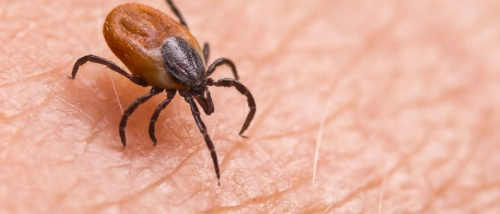
A tick on skin

Ticks

  • Related to spiders 
  • They are bigger than fleas, about ¼ -â…› inch long 
  • They can have multiple hosts, from humans to snakes to dogs. 
  • Ticks can lay thousands of eggs at one time
  • Carries multiple diseases
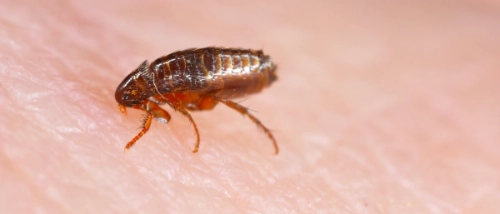
A flea on skin

Fleas

  • Can lay up to 40 eggs a day 
  • Can live up to 100 days and will have one host 
  • Carries tapeworm and bartonellosis.

Tips for tick prevention

There are several things you can do to prevent ticks:

  • Trim back vegetation. Ticks love overgrown yards.
  • Tuck socks into pants and wear long sleeves in tick-prone areas.
  • Wear light-colored clothing so ticks are easier to spot.
  • Use recommended tick repellents.

Professional tick control

Western Exterminator pest control experts can help you with tick infestations. Since ticks can breed quite fast if they make it indoors, if you, your pets, or your family experience problems with ticks then call us right away. We will help rid your home of ticks and tick larvae. Then we work with you to manage vegetation and provide solutions to stop ticks from returning.

Our Western Exterminator pest control and tick prevention professionals will provide courteous and effective tick removal and tick control solutions for your home. Contact us online or call 855-996-1357 today.


Frequently asked questions

Ticks are small arachnids, closely related to spiders and mites. They feed on blood from animals and humans, which they need to grow and reproduce. While they’re tiny, ticks can pose significant health risks.

Ticks live in grassy areas, forests, brush, and anywhere with dense vegetation. They can also survive indoors in certain conditions. Brown dog ticks are known for infesting homes, especially where pets are present.

Ticks use their front legs, which have small hooks, to cling to passing hosts. Once attached, they crawl to a suitable spot and bite the skin to feed. You may not feel the bite, which is why regular checks are important after spending time outdoors.

Yes. Ticks can carry bacteria and viruses that may lead to Lyme disease, Rocky Mountain spotted fever, and other illnesses. In rare cases, bites can cause allergic reactions or tick paralysis. If you're unsure about a bite, see a healthcare provider.

Depending on the species and life stage, a tick can stay attached for a few hours to several days. The longer they feed, the greater the chance of disease transmission.

Not all ticks carry disease, but many do. Risk depends on the species, the region, and how long the tick stays attached. It’s always best to remove ticks promptly and monitor for symptoms.

Ticks are usually most active during spring and summer, but activity can extend into fall or vary by location. Warmer temperatures and higher humidity levels tend to increase their movement and feeding.

Yes. While most ticks live outdoors, brown dog ticks are known for thriving indoors. They can hide in carpets, bedding, or cracks in the floor. If you suspect an infestation, professional help from a tick exterminator is recommended.

Find your local branch

See what the hot pest topics are in Mr. Little’s world.