Temps and termites are on the rise. Schedule your free inspection today.

800-937-8398 Call us for a free quote Contact us

How long do fleas live?

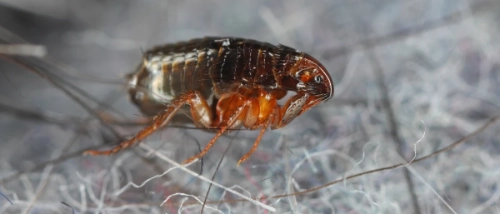
Whether or not you own a pet, you may be concerned about fleas in your property, and for good reason. Fleas can carry parasites like tapeworms, cause allergic reactions, and irritate you and your pets. If there's an infestation, it’s important to act quickly. So, how long do fleas live, anyway? The answer depends on a few things, including environmental conditions like humidity and access to a host.

The flea life cycle can continue indefinitely if left untreated. A female flea can lay dozens of eggs each day, starting the process over. That’s why early flea control is so important. Keep reading to learn more about the flea life cycle and how to deal with a flea infestation.

Flea lifespan at a glance

The lifespan of a flea can range from a few days to several weeks, largely depending on whether the adult flea has access to a host. Without a blood meal, they can’t reproduce and will die. Temperature, humidity, and access to a host all play a role in determining the flea’s lifespan.

Understanding the flea life cycle

The life cycle of a flea includes four main life stages: egg, larva, pupa, and adult. Knowing how fleas develop helps explain why they can be hard to control once they’ve settled in your home.

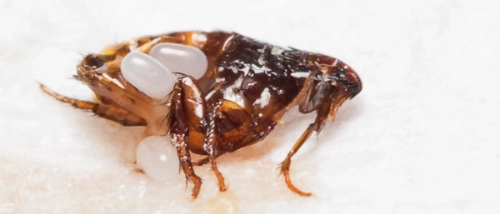
Flea eggs on a flea

Stage one: flea eggs

After feeding, a female flea lays eggs, sometimes up to 50 per day. These flea eggs fall off the host and land in places like carpets, bedding, and upholstered furniture. They are very small, white, and oval in shape, and can be difficult to see with the naked eye. 

Depending on environmental conditions, eggs may hatch in just a couple of days.

Flea larvae isolated on a white background

Stage two: flea larvae

Once hatched, the larvae emerge. They are small and worm-like and feed on flea dirt (adult flea feces) and organic matter. This larval stage lasts up to two weeks, depending on temperature and humidity.

A pupa and adult cat flea, isolated on a white background

Stage three: flea pupae (cocoon stage)

The pupa or cocoon stage is when fleas are protected and harder to reach with regular cleaning or treatments. Flea pupae can remain dormant for days, weeks, or even up to a year if conditions are not ideal. Vibrations, heat, or carbon dioxide can trigger the flea to emerge as an adult flea.

A pupa and adult cat flea, isolated on a white background

Stage four: adult fleas

Once out of the cocoon, adult fleas search for a blood meal. They typically infest animals but may bite humans. Without a host, they won’t last long, but with a food source, they can live several weeks and reproduce, continuing the flea life cycle.

What influences how long fleas live

A flea’s lifespan depends on its environment, access to a host, and life stage. Warm, humid conditions help fleas live longer and reproduce quickly, while cold or dry environments shorten their survival. Adult fleas can live for several weeks to months if they have a steady blood supply from a host, but often die within a few days without one. Their immature stages (eggs, larvae, and pupae) also vary in duration, with pupae able to wait weeks or even months for the right conditions before emerging. Overall, fleas thrive in warmth, humidity, and near hosts, but pest control, grooming, and unfavorable weather help greatly reduce their lifespan.

Why are fleas difficult to get rid of?

Fleas are difficult to eliminate because of their complex life cycle and rapid reproduction. While adult fleas can be killed with treatments, their eggs, larvae, and pupae often survive hidden in carpets, pet bedding, and outdoor areas, allowing new fleas to emerge later. The pupa stage is especially hard to treat because it’s resistant to many common insecticides. 

A single female can lay dozens of eggs each day, quickly leading to reinfestation. Their small size, jumping ability, and reliance on hosts for steady blood meals make them persistent pests. This combination of resilience and fast reproduction means effective flea control requires treating both pets and their environment.

How to break the flea life cycle

To stop a flea infestation, you need to break each stage of the flea life cycle. Start by washing all pet bedding, vacuuming rugs, carpets, and furniture, and treating pets under the advice of a vet. Vacuuming can help remove flea eggs and larvae, but it can also trigger flea pupae to emerge, making treatments more effective.

Still, even the most effective DIY method may only offer short-term results. For help with long-term control and protection, work with our flea exterminators.

When to call the experts

If you're noticing bites, finding fleas on your pet, or seeing signs of flea dirt, it’s time to call Western Exterminator for flea control. Left untreated, a flea infestation can grow fast. 

Fleas may have short lifespans, but they are still a threat to your home or business, whether you live in a big city like Los Angeles or in rural areas. If you suspect you have a flea issue, you should get in touch with a flea professional. A Western Exterminator flea expert can find out where your pets spend time and supply appropriate treatment. We have good knowledge of flea control and will focus on getting rid of an infestation.

Do not hesitate to take action when you think fleas are out and about. Reach out to Western for an inspection today.

Why choose Western Exterminator for flea control?

We have decades of experience helping customers deal with flea problems. Our pest control approach is focused on finding the cause and treating every part of the issue. From inspecting your property to identifying where fleas may be hiding, our technicians build a plan that works for your space. If fleas have moved in, let us help you move them out.

We also provide commercial pest control solutions for businesses dealing with flea-related issues. Whether it’s a pet boarding facility, vet clinic, or apartment complex, our team knows how to manage infestations in shared spaces.

Frequently asked questions

Adult fleas typically survive for one to two weeks without a host, though some may survive up to 14 days if conditions are right. Without a blood meal, adult fleas cannot reproduce and will eventually die. However, flea eggs, larvae, and pupae can stay hidden in carpets, pet beds, and furniture for a long time before hatching.

Fleas can survive in carpets for quite a while, depending on their life stage and the environment. Flea eggs and larvae often fall into carpet fibers, where they’re protected from light and foot traffic. Eggs typically hatch in two to 14 days, and larvae can survive for up to two to three weeks by feeding on organic debris and flea dirt. The pupal stage is the most resilient—fleas inside their cocoons can stay dormant in carpets for weeks to several months, waiting for vibrations, heat, or carbon dioxide from a nearby host before emerging. Once they become adults, fleas can live in carpets for a few days to a couple of weeks if no host is present, but with access to pets or people, they can survive much longer.

Vacuuming can help get rid of eggs and larvae in the carpets. Vacuuming can also encourage fleas to leave the pupal casings and therefore be affected by pest control products. Make sure you close and throw away the vacuum bag outdoors. Be sure to vacuum prior to getting flea treatment at your property.
Cat fleas do not reside on humans, although they can still feed on people. Bites can result in welts that itch. This could signify you have a flea issue.

Fleas live off warm-blooded hosts, so without pets, adult fleas won’t live long. But if flea eggs, larvae, or pupae are present in your home, they can remain for weeks or even months. Vacuuming, washing bedding, and learning how to get rid of a flea infestation with help from professionals is the best approach.

Some fleas can carry diseases like murine typhus or transmit heartworm to pets. For help with protection and to address the root of the issue, it’s best to work with Western Exterminator’s pest control experts.

Find your local branch

Enjoy pest-free living all year long with PestFree365+. See how our home pest control plan protects you and your family from 39 common pests.