Temps and termites are on the rise. Schedule your free inspection today.

800-937-8398 Call us for a free quote Contact us

What eats mosquitoes?

The main mosquito predators – learn what eats mosquito larvae and adult mosquitoes

Quick facts about mosquito predators

  • Dragonfly nymphs can reduce mosquito larvae by up to 45% per day
  • Mosquito fish are used by U.S. control agencies to target larvae in ponds
  • Bats and birds eat mosquitoes, but won't make a dent in your yard
  • Some mosquito larvae (Toxorhynchites) prey on their own kind
  • Mosquitoes breed faster than any predator can keep up

If you've ever wondered what eats mosquitoes, the cast is bigger than most people think. Mosquito predators range from songbirds and tadpoles to predaceous beetles and tiny mosquito fish, each playing a small role in the food chain.

However, the gap between what these predators can do and what your backyard actually needs is also bigger than you might think. The catch is that mosquitoes breed faster than wildlife can eat them. This guide breaks down which predators target adults, which target larvae, and where professional mosquito control needs to take over.

What animals eat mosquitoes?

Several animals feed on mosquitoes at different stages of their life cycle. Some hunt adult mosquitoes in the air. Others go after larvae in the water. Here's a look at the most common mosquito predators and what they actually do.

Birds

Many bird species eat adult mosquitoes, including purple martins, swallows, waterfowl like ducks and geese, and various migratory songbirds. These birds are opportunistic feeders, meaning mosquitoes are just one item on a long menu. They can consume both adult mosquitoes and aquatic larvae, but they rarely focus on mosquitoes exclusively.

Bats

Bats are often credited as nature's mosquito control. However, there is no evidence to suggest that bats consume enough adult mosquitoes to meaningfully reduce populations over a large area. They tend to prefer larger, easier-to-catch insects.

Dragonflies and damselflies

Dragonfly and damselfly naiads (nymphs) have shown significant predation success in controlled studies, with some research indicating they can reduce mosquito larvae populations by an average of 45% per day under certain conditions. Adult dragonflies also catch mosquitoes in flight, though not in large quantities.

Fish

Certain fish species are highly effective at targeting mosquito larvae in standing water. Goldfish, guppies, bass, bluegill, and catfish all prey on larvae. The most notable is Gambusia affinis, commonly known as the mosquito fish. This small freshwater fish is used by mosquito control agencies across the U.S. as a biological control tool.

Frogs and tadpoles

Most adult frogs do not rely heavily on mosquitoes as a food source. Tadpoles are a different story. Certain species, including the spadefoot toad, green tree frog, and giant tree frog, are known to feed on mosquito larvae. 

Turtles

The red-eared slider is the turtle species most commonly associated with feeding on mosquito larvae. Like other predators, turtles can help in specific aquatic environments but are not a reliable control method for a residential yard. 

Struggling with mosquitoes?

Call now to book your free inspection.

Do natural predators actually control mosquito populations? 

The honest answer: natural predators can play a role in specific environments, but they are rarely enough to manage mosquitoes around a home or business on their own. 

Mosquitoes reproduce fast. A single female can lay 30 to 300 eggs at a time, and larvae can develop into adults in as little as a week under warm conditions. Even with predators present, mosquito populations can rebound quickly, especially when standing water is available nearby.

Predators like dragonflies and mosquito fish work best in contained aquatic environments such as ornamental ponds or water features. In open yards, the scale of mosquito breeding usually outpaces what wildlife can handle.

If you're dealing with persistent mosquito activity around your home or business, professional mosquito control is the most reliable way to reduce populations and help protect your outdoor spaces.
Other insects that eat mosquitoes 

The insects below target mosquitoes at different stages; some go after larvae in the water, while others catch adult mosquitoes before they ever get the chance to bite.

Not all mosquitoes bite humans. Mosquitoes in the genus Toxorhynchites are predatory, with larvae that feed on other mosquito larvae in the water. Adult Toxorhynchites mosquitoes feed on nectar and do not transmit disease. They offer a natural check on larval populations in certain habitats.

Both adult and larval predaceous diving beetles and water scavenger beetles consume mosquito larvae and pupae. These beetles are generalist predators, feeding on a range of aquatic insects, but mosquito larvae are a regular part of their diet.

Spiders are passive mosquito predators. When a mosquito flies into a web, it becomes a meal. In this way spiders can contribute to reducing adult mosquito numbers in and around structures. 

Why natural predators are not enough 

Relying on wildlife to manage mosquitoes around your property has real limits. Here's why:

  • Mosquitoes breed faster than predators can keep up. A single standing water source, even a small container, can produce hundreds of new mosquitoes in days.
  • Predators are not selective. Birds, bats, and dragonflies eat many insects, not just mosquitoes. Their impact on any one species is limited.
  • Predators need the right habitat. For example, mosquito fish and tadpoles cannot address adult mosquitoes resting in vegetation around your yard.
  • Populations recover quickly. Even when predators reduce larval numbers in one area, mosquitoes from nearby breeding sites can replenish the population fast.

The most effective approach combines source reduction, like removing standing water, with professional treatment targeting both larvae and adult mosquitoes.

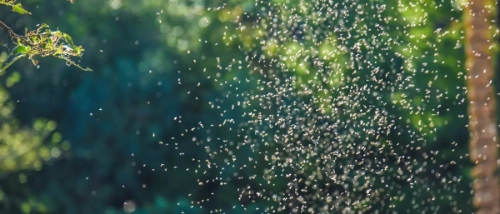
A swarm of mosquitos

Western’s mosquito control services

Mosquitoes are more than a nuisance. They can carry diseases that affect both people and pets, including West Nile virus, Zika, dengue fever, and heartworm in dogs and cats. Natural predators are fascinating, but they are not a substitute for a targeted treatment plan.

Western Exterminator has been helping homeowners and businesses across the West Coast manage mosquito problems since 1921. 

Call us at 800-937-8398 or contact us online to schedule your free inspection today.

Book a free inspection

Frequently asked questions

For mosquito larvae, mosquito fish (Gambusia affinis) and certain frog tadpoles are among the most effective natural predators in aquatic environments. For adult mosquitoes, dragonflies are often cited, though their impact on populations is limited. No single natural predator provides reliable control on its own. ​​​​​

Bats do eat mosquitoes, but they are not the dedicated mosquito hunters they are often made out to be. They tend to prefer larger insects and do not consume enough mosquitoes to make a measurable difference in outdoor populations. Installing a bat box may attract bats to your yard, but it is unlikely to resolve a mosquito problem. ​​​​​

Yes, mosquito fish and other larvivorous fish can help reduce mosquito larvae in ornamental ponds and water features. This works best in contained, maintained water bodies. It will not address mosquitoes breeding in other areas of your property or in standing water nearby. 

The most effective approach combines removing standing water, trimming overgrown vegetation, and professional barrier treatments that target both adult mosquitoes and larvae. Our mosquito control services are tailored to your property and the mosquito season in your area.

Mosquito activity varies by region and season. Coastal areas with mild, wet winters can see earlier activity, while inland zones with hot summers often experience peak populations from late spring through early fall. Western Exterminator's technicians understand local mosquito pressures and can recommend the right timing and treatment approach for your area. 

Find your local branch

Enjoy protection from 39 of the most common household pests with our annual residential pest control program, PestFree365+.