Temps and termites are on the rise. Schedule your free inspection today.

800-937-8398 Call us for a free quote Contact us

Bed bug management and identification guide

With increased travel, vacation rentals, and hotels operating at high occupancy rates, bed bugs are always a concern. An estimated one in five people has dealt with a bed bug infestation or knows someone who has encountered the dreaded pest. This bed bug guide will give you all the information you need to know about bed bugs, from identification and treatment to inspections and travel tips.

The key to identifying these blood-sucking pests is knowing what they look like and understanding their behaviors. If you think you have seen any of the signs of bed bugs around your home or business, contact your local Western Exterminator office today to discuss bed bug detection and removal options.

Contact our local bed bugs experts

* Required field

Download this report

Bed bug control

Find out how Western can control bed bugs in your home or business.

Bed bugs at a glance

Bed bugs are small, flat, reddish-brown insects that feed on human blood — usually while you're asleep. They don't fly or jump, but they're expert hitchhikers, moving easily between rooms, floors, and buildings by hiding in luggage, clothing, and furniture. While the common bed bug (Cimex lectularius) is responsible for the vast majority of infestations across the U.S., it's not the only species you might encounter. 

Understanding the different bed bug species can help you identify what you're dealing with and why professional treatment matters.

What do bed bugs look like?

  • Size: ⅛” - 3/16” in length as adults
  • Color: Brown or reddish-brown
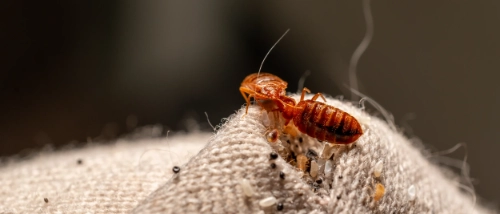
  • Body: Flat, round, or oval bodies divided into three segments, six legs, and two antennae
Get all the facts

Bed bug life cycle

Knowing what bed bugs look like is a key part of bed bug control. Bed bugs are tiny and vary in size based on their stage in the life cycle.

Bed bug eggs

Bed bug eggs are often found near where the adult and young bed bugs hide during the day. They are pearly white and tiny, making them very difficult to spot with the untrained eye. Adult female bed bugs will lay up to five or six batches of 10-15 eggs per day.

Bed bug nymphs

After hatching, a bed bug goes through five nymph stages before reaching adulthood. At first, nymphs are white, but they get darker as they grow and consume blood meals. Similar to bed bug eggs, nymphs are also very tiny and difficult to see. The only way you may spot a nymph is by finding its shed skins.

Adult bed bugs

An adult bed bug is about the size of an apple seed. They are brown and flat with a wide head and segmented body. After a blood meal, they become engorged and can be a darker reddish-brown color.

What you need to know about bed bugs


Bed bugs prefer to find hiding places as they hate being out in the open. They can be found anywhere where humans are motionless for a long period. This can include places such as beds, including box springs, mattresses, headboards, and mattress covers; couches, including cushions and pillows; and reclining chairs. As an infestation grows, bed bugs can spread to curtains, ceiling edges, electrical outlets, and behind pictures.

A bed bug’s anatomy is designed to feed on blood. However, bed bugs do not have to feed every night. They can go for several days, even months, without a meal, but they do require a blood meal every time they shed their skins and enter a new life stage. After a blood meal, a bed bug will become engorged and its skin color will appear a darker reddish-brown.

Identifying signs of a bed bug issue

Even a small bed bug problem can quickly become a bigger problem. That’s why it’s important to know the early signs of an infestation.

You might notice blood stains on sheets or pillowcases, fecal spots near mattress seams, or a musty smell. Another common sign is finding small clusters of itchy bites on your arms or legs.

Where you might see them

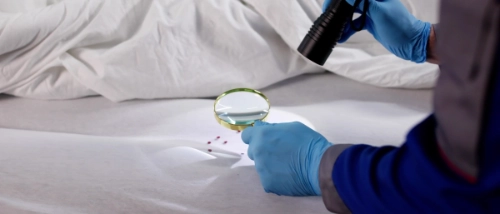
Bed bugs hide in tiny spaces near where people rest or sleep. A flashlight and magnifying glass can help during an inspection. Check along mattress edges, baseboards, bed frame, cracks in furniture, and behind pictures and headboards. They also tuck into soft furniture like couch cushions or behind wall hangings. If you find any signs, our pest control experts can inspect and provide bed bug control solutions. 

As infestations grow, bed bugs can move to less expected places like electrical outlets, curtain folds, or carpet edges. Their small, flat bodies let them squeeze into narrow crevices, and they’re often found in clusters, especially around places we stay still for long periods, like beds, couches, and chairs. Regular inspections are the first step in our bed bug management guidelines.

Also, bed bugs can come out during daylight, but they're most active at night when hosts are asleep.

How bed bugs spread and tips for reducing infestation


Bed bugs don’t fly, but they can move easily from place to place by hitching rides. They can cling to luggage, clothing, or secondhand furniture. Hotels, dorms, and apartment buildings are common spots for bed bugs. To help reduce the risk of bed bugs, inspect your luggage and clothing after travel, and avoid bringing used furniture into your home without checking it closely. Regular cleaning and vacuuming can also help reduce hiding spots.

If you notice signs of bed bugs, our pest control services can help address the root of the issue.
 

Tips for management

The first step in dealing with bed bugs is to identify them correctly. Use our bed bug identification guide to check their color, shape, and size. Adult bed bugs are oval, reddish, and about the size of an apple seed. Their scientific name is Cimex lectularius, often shortened to cimex.

Washing bedding in hot water and using protective covers can help control early infestations. But keep in mind, these methods often only slow the problem. For full treatment, it’s best to talk to Western Exterminator about long-term bed bug management.

See our bed bug elimination guide for more information on how to get rid of bed bugs.

Industries impacted by bed bugs

Commercial pest control is important in industries where people gather or stay overnight. Hotels, hospitals, and dorms are common areas for infestations. Even office buildings and public transport can experience bed bug problems.

Our technicians can help businesses create plans to manage risk and reduce the spread. With the right approach, businesses can protect their reputation and customers with our bed bug treatment services.

Frequently asked questions


Discarded bed bug shed skins are one of the first signs of an infestation. Before each life stage, bed bugs molt and leave their shed skins behind. Shed skins are nearly translucent shells and are usually found in clutter.

Another initial sign of bed bugs is waking up with bed bug bites on exposed parts of your body, like your arms and legs. Bed bug bites are generally pretty small. They can be raised welts, similar to mosquito bites, but can also be flat and appear like a rash.

Bed bugs are excellent hitchhikers and can easily travel from place to place. If you find bed bugs in your home, they were most likely brought in with you on your luggage after a trip. Bed bugs can also be brought into the home on an item that was previously infested and carried into your house.

Bed bugs can hide anywhere on your body, but they are most attracted to exposed skin. Bed bug bites typically appear in a straight pattern and are most commonly found on faces, necks, arms, ankles, and feet.

The best and quickest way to get rid of bed bugs completely is to work with a professional pest control company like Western Exterminator. Our technicians are trained to find bed bugs in all their life stages, which is incredibly important as bed bugs are very tiny and difficult to see to the untrained eye. We have the most comprehensive bed bug detection, treatment, and prevention solutions to help property owners get rid of this biting pest.

Bed bug exterminators use targeted methods based on the size and location of the infestation. We start with a detailed inspection to determine the extent of the bed bug problem. Then we can determine the best treatment plan, which may include heat, vacuuming, or EPA-approved treatments.

We focus on places where bed bugs hide, like mattress seams, baseboards, and furniture joints. Professional treatment helps to eliminate bed bugs at every life stage. Our pest control experts tailor solutions to your needs.

Our trained technicians know where to look. We search for signs like fecal spots, blood stains, and molted skins. Tools like flashlights, detection devices, and trained eyes can help find even small infestations.

Treatment time depends on the size of the problem. In most cases, it takes a few hours. Some cases may need follow-up visits to fully address infestations. Your technician will tell you about the duration and all the other important details of the proposed treatment, and if any follow-up inspections are necessary.

Depending on the treatment, bed bugs can start to die within a few hours. The full timescale will depend on the type of treatment chosen, and we may recommend follow-up treatment.

Our technicians target areas where bed bugs hide. That includes mattress seams, crevices in furniture, under carpets, and behind wall hangings. We also inspect and treat places like curtain folds, baseboards, and electrical outlets.

After treatment, it’s best to avoid deep cleaning right away so the product can do its job. Don’t move furniture back too soon. Follow any instructions and guidelines provided by your technicians. Once recommended, you should wash bedding and clothes in hot water, vacuum floors, and reduce clutter. If you have questions, we’re here to help and guide you.

Find your local branch

Highly trained pest management specialists, knowledge of current legislation and innovative solutions. Western Exterminator has your business covered.