Temps and termites are on the rise. Schedule your free inspection today.

800-937-8398 Call us for a free quote Contact us

What bugs look similar to bed bugs?

Spotting a small, flat, reddish-brown bug in your home can be a little alarming. But not every tiny insect is a bed bug. Several common household pests share similar sizes, shapes, or colors, and misidentifying them can lead to the wrong treatment, wasted time, and a problem that keeps getting worse.

Here's a breakdown of the insects that look like bed bugs, how to tell them apart, and what to do if you're not sure what you're dealing with.

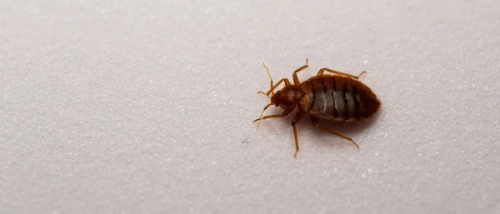
A bed bug, small, round, and red, against a white background

What do bed bugs actually look like?

Before comparing look-alikes, it helps to know exactly what you're looking for. Adult bed bugs (Cimex lectularius) are:

  • Size: Roughly ¼ inch long — about the size of an apple seed
  • Shape: Flat and oval when unfed; swollen and elongated after a blood meal
  • Color: Reddish-brown; darker after feeding
  • Legs: Six legs, with two antennae
  • Wings: None — bed bugs cannot fly or jump
  • Texture: Covered in short, golden hairs

Nymphs (young bed bugs) are smaller and nearly translucent, making them much harder to spot. Eggs are tiny, about 1mm, pale white, and often found in clusters in seams and crevices.

Bugs that look similar to bed bugs

There are a few insects that resemble bed bugs; check them out below to see the main differences and how to rule them out.

Carpet beetles

Carpet beetles are small and oval but have a distinctive patterned shell, mottled with white, brown, and yellow scales, which sets them apart. They don't bite, though their larvae can irritate the skin, sometimes leading to mistaken bites. Look for them in carpets, upholstery, and stored clothing.

Fleas

Fleas are smaller than bed bugs, just 1/16 to 1/8 inch compressed flat side-to-side, and are able to jump, which bed bugs cannot. They live on pets, pet bedding, and carpets rather than mattress seams. Flea bites typically cluster around the ankles, while bed bug bites appear on exposed skin during sleep.

Ticks

Ticks have eight legs and are arachnids, not insects, which is the clearest giveaway. They attach to skin and stay there while feeding, unlike bed bugs, which feed and retreat. Ticks are usually brought inside on people or pets from outdoor areas.

Spider beetles

Spider beetles, particularly the American spider beetle (Mezium americanum), are reddish-brown like bed bugs but have a rounder, more globular body and long legs that give them a spider-like look. They don't bite and are found in pantries and stored food, not near beds.

Booklice

Booklice are much smaller than bed bugs, often under 1/16 inch. and pale gray or white rather than reddish-brown. They don't bite and tend to appear in humid areas, such as near books, wallpaper, and damp surfaces.

Bat bugs

Bat bugs are nearly identical in size, shape, and color to bed bugs. The key difference is their preferred host. They're found near bat roosting sites, such as attics and chimneys, and rarely infest sleeping areas unless bats have been removed from the property.

Related articles

For more information to help determine which pest you are dealing with, read more in our related articles below:

How to tell the difference between bed bugs and fleas

How to tell the difference between bed bugs and ticks

How to tell the difference between bed bugs and lice

Why correct identification matters

Treating for the wrong pest is a common and potentially costly mistake. Bed bug treatments are specialized and very different from flea treatments, tick control, or cockroach management. Using the wrong approach can push pests deeper into hiding, delay effective treatment, and allow an infestation to grow.

Our technicians are trained to identify bugs that resemble bed bugs and to recommend the appropriate course of action. If bed bugs are confirmed, we offer a range of proven bed bug control options, including heat treatment, steam, insecticides, and fumigation.

Frequently asked questions

Several insects resemble bed bugs, including bat bugs, spider beetles, carpet beetles, fleas, and cockroach nymphs. The key differences are size, body shape, location, and behavior. A professional inspection is a reliable way to confirm what you're dealing with.

Fleas are smaller, can jump, and are usually found on pets or in carpets. Bed bugs are flat, oval, and cannot jump, and are found near sleeping areas. Flea bites tend to cluster around the ankles; bed bug bites appear on exposed skin during sleep.

Yes — carpet beetle larvae can cause skin irritation that's sometimes confused with bed bug bites. Adult carpet beetles have a distinctive patterned shell and don't bite. If you're finding irritation but no other signs of bed bugs, carpet beetles may be worth investigating.

They're closely related and nearly identical in appearance. The main difference is that bat bugs prefer bat hosts and are found near bat roosting areas. If bats have been removed from your home, bat bugs may move into living spaces in search of a new host.

Capture it if you can, note where you found it, and contact your local Western Exterminator team. Our technicians can identify the pest and recommend the right treatment so you're not wasting time or money on the wrong solution.

Find your local branch

Enjoy protection from 39 of the most common household pests with our annual residential pest control program, PestFree365+.