Temps and termites are on the rise. Schedule your free inspection today.

800-937-8398 Call us for a free quote Contact us

How to check for bed bugs

Bed bugs are small, elusive, and surprisingly common. The good news? Knowing what to look for can help you catch a problem early, before it gets out of hand. Here's how to check for bed bugs in your home, what signs to look for, and when it's time to call in the experts.

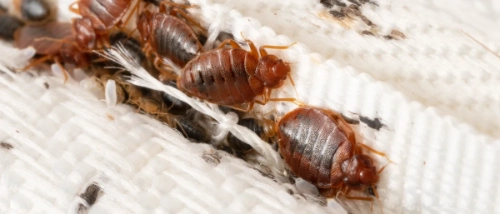
Several bed bugs, small, round, red in color, nestled in a crevice in some fabric

What do bed bugs look like?

Adult bed bugs are small — roughly the size of an apple seed — flat, and reddish-brown in color. After feeding, they become darker and more swollen. Nymphs (young bed bugs) are smaller and nearly translucent, making them much harder to spot.

They don't fly or jump, but they move quickly across surfaces and are experts at hiding in tight spaces no wider than a credit card.

Where do bed bugs hide?

Testing for bed bugs starts with knowing where to look. These pests prefer to stay close to where people sleep or rest, so focus your search on:

  • Mattress seams and piping: Folds and edges in mattresses are prime hiding spots
  • Box springs and bed frames: Be sure to check all joints and crevices
  • Headboards: Check where they meet the wall
  • Nearby furniture: Bed bugs can move to nightstands, sofas, and recliners
  • Behind electrical outlets and light switches: Bed bugs can use these to move between rooms
  • Under loose wallpaper and wall hangings: These cracks and crevices can be hiding spot
  • Baseboards and carpet edges: This is true in particularly heavy infestations


How do I check for bed bugs?

When checking for bed bugs, you're not just looking for the insects themselves. Here are the key signs of an infestation:

  • Blood stains: Small reddish-brown spots on your sheets, pillowcases, or mattress. These occur when a bed bug is accidentally crushed during sleep.
  • Dark or rusty spots: Bed bug excrement appears as dark, ink-like spots on mattresses, furniture, walls, and bedding. Look carefully along seams and edges.
  • Shed skins: As bed bugs grow, they shed their exoskeletons. Finding these nearly translucent shells is a strong indicator of an active infestation.
  • A musty, sweet odor: A noticeable, unpleasant smell, often described as musty or sickly sweet, can signal a larger infestation. It comes from the bugs' scent glands.
  • Bites or skin reactions: Bites are the most commonly reported sign of bed bugs, but not everyone reacts to bites, and reactions can take up to two weeks to appear. If you notice itchy, red welts on your skin, particularly in a line or cluster, it's worth investigating further. If you're concerned about a skin reaction, consult a healthcare professional.

DIY detection vs. professional inspection

Bed bugs are experts at hiding, and an untrained eye can easily miss early signs, especially nymphs and eggs. In fact, research shows that 84% of pest professionals were initially contacted about a different pest before correctly identifying a bed bug infestation.

DIY detection can help you spot an obvious problem, but it won't give you the full picture. A free, professional bed bug inspection is the most reliable way to confirm whether bed bugs are present and how far the infestation has spread.

If you do find signs of bed bugs, it's important to act quickly. Bed bugs reproduce fast, and a small problem can grow significantly in a matter of weeks. Our bed bug control team uses a range of proven treatment options — including heat treatment, steam, insecticides, and fumigation — tailored to your situation.
Frequently asked questions

Look for dark spots (excrement), shed skins, and blood stains on your bedding and mattress seams. Catching these signs early — before bites appear — gives you the best chance of addressing the problem quickly.

A professional inspection is the most reliable method to check for bed bugs. Our technicians can identify signs that are easy to miss, and we can use canine detection for a more thorough assessment.

Yes, a basic self-check is a good starting point. Strip your bed, use a flashlight, and look for the key signs listed above. That said, DIY detection has limits so a professional inspection will give you a much clearer picture.

No, bed bugs don’t only live in beds. While beds are their preferred hiding spot, bed bugs can also be found in sofas, chairs, electrical outlets, baseboards, and even behind picture frames, anywhere close to where people rest.

Find your local branch

Enjoy protection from 39 of the most common household pests with our annual residential pest control program, PestFree365+.