800-937-8398 Call us for a free quote Contact us

The life cycle of wasps

Every summer, wasps seem to appear out of nowhere. They buzz around your patio, build nests in your eaves, and make outdoor life a little more stressful.

But they don't just appear. There's a whole year-round cycle behind every colony you encounter. Understanding the life cycle of wasps helps explain why they behave as they do and why timing matters when dealing with them.

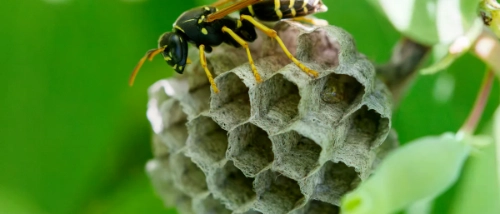
A wasp crawls on a small, immature nest

From one queen to a full colony

It all begins in spring. A single fertilized queen (the only member of last year's colony to survive winter) emerges from hibernation and gets to work. She scouts for a sheltered spot to build a nest.

The queen does everything herself: constructs the nest from chewed wood pulp, lays the first eggs, and feeds the larvae. It's a vulnerable stage, and the nest is small at this point (about the size of a golf ball). If something happens to the queen now, the colony ends before it begins.

This is also the best time to identify and remove a nest. Early-stage nests are small, have no workers yet, and are far easier to manage. Our wasp control services can help you identify and deal with nests before they grow into a much bigger problem.

Struggling with wasps?

Call now to book your free inspection.

The wasp life cycle: from egg to adult

Wasps go through four distinct stages that take them from egg to fully formed adult. Here's how it works:

Egg

The queen lays a single egg in each cell of the nest. Eggs hatch within a few days.

Larva

The hatched larva is legless and grub-like. Worker wasps (once they emerge) feed larvae chewed-up insects and other protein sources. The wasp larva stage lasts around two weeks.

Pupa

The larva seals itself inside its cell and undergoes metamorphosis. This is the transformation stage. Inside the capped cell, the adult wasp is taking shape.

Adult

The fully formed wasp chews its way out of the cell and immediately gets to work.

The first adults to emerge are all workers - sterile females whose job is to expand the nest, forage for food, and care for the next generation of larvae. Once workers are on the scene, the queen's role shifts to egg-laying, and the colony starts growing fast.

The stages of a wasp nest: spring through fall

The stages of a wasp nest closely track the seasons. Here's what's happening at each point in the year.

One queen, a handful of cells, no workers yet. The nest is small and easy to miss. This is the lowest-risk time to deal with a wasp problem.

The first generation of workers hatches and takes over nest-building duties. The colony starts to grow. The nest expands from golf-ball size to something closer to a tennis ball or softball.

Worker numbers climb quickly. The queen is laying eggs continuously. The nest grows larger week by week, and foraging activity increases noticeably. You'll start seeing more wasps around your property.

A yellowjacket colony can reach anywhere from 1,500 to 5,000 workers at its peak. The colony is at maximum defensive capacity, which is why wasps tend to be more aggressive at this time of year. Workers are protecting a much larger investment.

This is also when the colony begins producing new queens and males, kicking off the reproductive phase that will carry the species into next year.

As temperatures drop and food becomes scarce, the colony starts to wind down. Workers and the old queen die off. New queens fly off to find overwintering sites. By late fall, the nest is empty.

Wasps don't reuse old nests. Each spring, a new queen builds from scratch. That said, removing abandoned nests in fall or winter is a smart preventive step, as they can still attract queens looking for locations for their own nests.


Why you should never deal with a wasp nest yourself

Wasp nests carry real risks at any time of year, but a colony several thousand strong in late summer is a very different situation from a small founding nest in spring. Either way, we never recommend attempting removal on your own. Without the right protective equipment, disturbing an active nest can trigger an aggressive response fast, and wasps can sting multiple times. 

Our technicians are trained to identify the species, assess the nest, and treat it safely. For ongoing protection, our PestFree365+ annual plan covers wasps, including yellowjackets, hornets, and more.¹


Frequently asked questions

Worker wasps typically live about 12 to 22 days. The queen can live for up to a year; she's the one who survives winter and starts the next colony in spring.

Queens begin building nests in spring, usually from March onward, depending on the climate. Nest-building activity ramps up through early summer as the first workers emerge and take over construction.

A wasp nest goes through four main stages: the founding stage (queen alone, spring), the growth stage (first workers emerge, early summer), the peak stage (maximum colony size, late summer), and the decline stage (colony dies off, fall).

Wasps can sting multiple times and will defend their nest aggressively, especially in late summer when colonies are at their largest. For anyone with a venom allergy, a sting can be life-threatening. If you experience a severe reaction to a sting, seek medical attention immediately.

Reproduction is the queen's domain. She emerges in spring, finds a suitable spot, and starts laying eggs. First, she produces sterile workers to build and maintain the nest, then later in the season, reproductive males and new queens. These mate in a late-summer flight; the males die shortly after, and the newly mated queens find shelter to overwinter. Come spring, they emerge and start the cycle again.


¹ Covered Pests defined in your Plan. Autopay is required. Voles and fire ants are only covered if they are in the home, we will not treat the lawn. Single family, free-standing, owner-occupied homes only. Other limitations apply. See Plan for details.

Find your local branch

Enjoy protection from 39 of the most common household pests with our annual residential pest control program, PestFree365+.