© 2026 Rentokil Initial plc and subject to the conditions in the Legal statement
Updated on: 8 September 2026
Quick facts about great black wasps:
- Great black wasps are large, solid-black wasps measuring up to 1.3 inches long.
- They are solitary, generally non-aggressive, and sting mainly when threatened or disturbed.
- Females build underground nests in sunny areas with loose or sandy soil.
- Adults feed on nectar and pollen, while larvae are provisioned with paralyzed insects.
- Great black wasps help control grasshoppers and katydids while also contributing to pollination.
The great black wasp is one of the larger stinging insects you'll come across in the western United States. Unlike aggressive, nest-defending species such as yellow jackets, this large black wasp tends to keep to itself. Still, it's worth knowing how to identify one, understand its habits, and know when to call in help.
What do great black wasps look like?
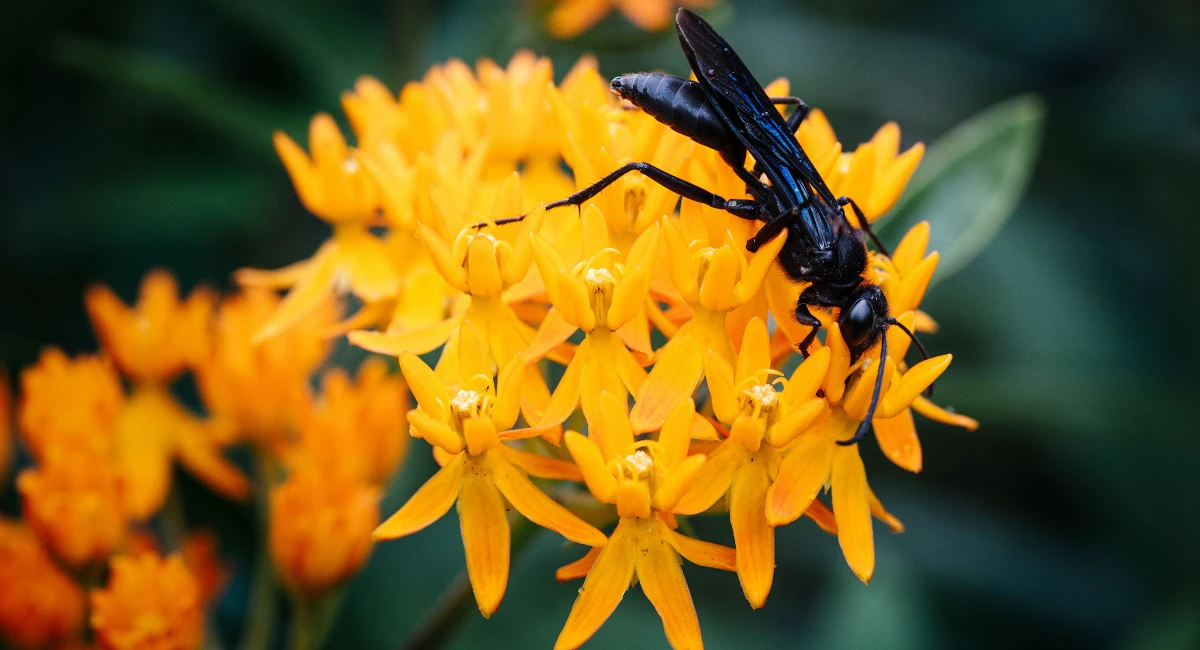
The great black wasp, also known by its scientific name Sphex pensylvanicus, is solid black with no stripes or other markings. This makes it look pretty threatening. It has the typical wasp build: large wings, a big head with prominent eyes, a thin waist, and a bulky back end.
You'll find this species across North America, from the East Coast to the West Coast, excluding the Pacific Northwest. In cooler regions, they're most active during the warmer months. Thanks to the mild year-round climate in the western U.S., great black wasps can stay active for most of the year here.
How big are great black wasps?
The great black wasp’s size sets this species apart from many other wasps. They can grow between 1 to 1.3 inches long. They’re noticeably larger than common wasps, and because of their color, are fairly easy to identify. Females are the bigger of the two sexes, and they're also the only ones carrying a stinger.
Is the great black wasp dangerous to humans?
This species is solitary and not aggressive by nature, so they’re not as dangerous as they look. Great black wasps are far more interested in hunting insects than bothering people, and they'll only sting if they feel threatened or if their nest is disturbed.
While a dangerous encounter is rare, an allergy to insect stings can change the risk level. If you notice any signs of an allergic reaction after a sting, seek medical attention from a healthcare professional right away.
Where do great black wasps build their nests?
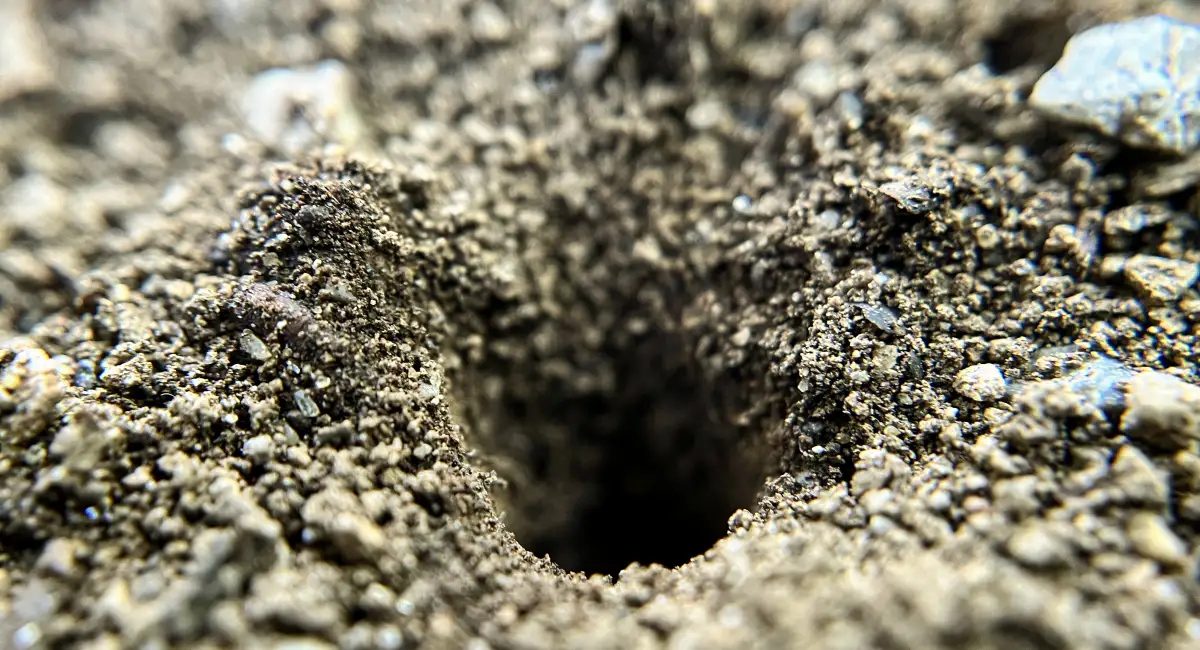
Great black wasps favor open, sunny areas with loose or sandy soil, since they dig their nests into the ground rather than building the paper-like structures that yellow jackets or paper wasps make. Their preferred habitat includes:
- Gardens and flower beds, where they feed on nectar and pollen
- Fields and meadows with plenty of grasshoppers and katydids to hunt
- Sheltered spots near buildings, including eaves and hollow trees
A great black wasp nest is solitary, so these wasps don't form large colonies, though a single nest can house multiple larvae across several egg-laying sites. If you come across any type of wasp nest on your property, it's best to leave wasp nest removal to the professionals rather than attempting it yourself.
What do great black wasps eat?
Think grasshoppers, locusts, and katydids. These are hearty meals for the great black wasp, and it hunts them down to feed its larvae. Adult black wasps stick to a lighter diet of nectar and pollen. This mix of hunting and foraging makes them important predators and pollinators in their environment.
Like the tarantula hawk wasp, females track down live prey, deliver three precise stings to paralyze it, and haul it underground into the nest. There, an egg is laid right on top of the still-living prey, giving the larva a fresh food supply until it's ready to head out on its own.
It might seem particularly brutal, but this method of rearing their young pulls its weight in the ecosystem:
- Keeping grasshopper and katydid populations from getting out of hand
- Lending a hand with pollination
- Doing its part in the local food chain
Keep your property safe from wasps
Great black wasps are unlikely to cause an infestation given their solitary habits, but any wasp activity around your home is worth taking seriously, especially if you or a family member has a sting allergy. Western Exterminator's wasp control services can help identify the species on your property and recommend the right course of action.
Schedule your free pest inspection today
Get peace of mind knowing your home or business is protected. A Western Extermiantor specialist will assess your property and recommend customized solutions.
Book your free pest inspection today
Our local technicians will assess your property and recommend tailored solutions. Fast, friendly, and completely obligation-free.
- Safe, targeted treatments
- Local experts, fast response
- Trusted, trained technicians