Temps and termites are on the rise. Schedule your free inspection today.

800-937-8398 Call us for a free quote Contact us

Bumble bees are some of the most recognizable and misunderstood bees you’ll see around homes, yards, and gardens. Their fuzzy bodies and loud buzz can feel intimidating, but most of the time they’re focused on flowers, not people. 

Learn about bumble bee identification, how they live, and when their presence may require professional bee control. Knowing what you’re dealing with makes all the difference when deciding what to do next.

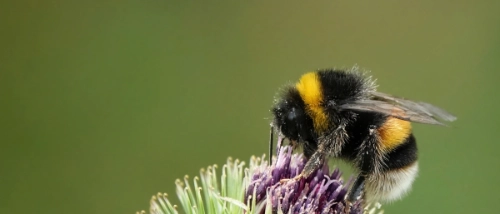
A bumble bee, hairy with orange-yellow and black stripes, collecting pollen from a flower

Characteristics

Bumble bees are larger and rounder than many other bees, with thick hair that helps them collect pollen and regulate body temperature. Their coloring usually includes black with yellow or orange bands, though patterns vary by species (there are 49 species of bumble bee in the US alone). Unlike wasps, their bodies look soft and fuzzy rather than smooth and shiny.

They’re social insects that live in small groups rather than massive colonies. While they can sting, bumble bees are generally calm and far less aggressive than people expect - especially when they’re away from their nest.

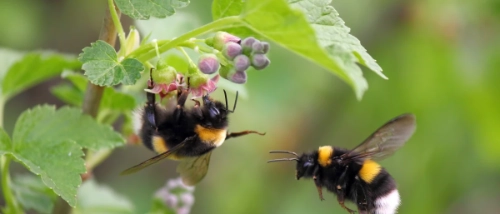
Two bumble bees, fuzzy with black and orange-yellow stripes, colelct nectar from a flower

Identification

Accurate bumble bee identification starts with body shape and behavior. Bumble bees are stout, slow flyers compared to other, sleeker bees, and they often appear to hover-clumsily between flowers. You may also notice pollen packed onto their hind legs, forming bright yellow clumps.

There are many bee species, but bumble bees belong to the genus Bombus. They’re often confused with carpenter bees, which look similar but have shiny, hairless abdomens. Spotting these details can help you understand whether you’re seeing an almost completely harmless pollinator or a bee that may cause property concerns.

Habitat, diet, life cycle, and behaviors

Learn more about the bumble bee’s habitat, lifespan, and behaviors, to better understand these commonly misunderstood pollinators.

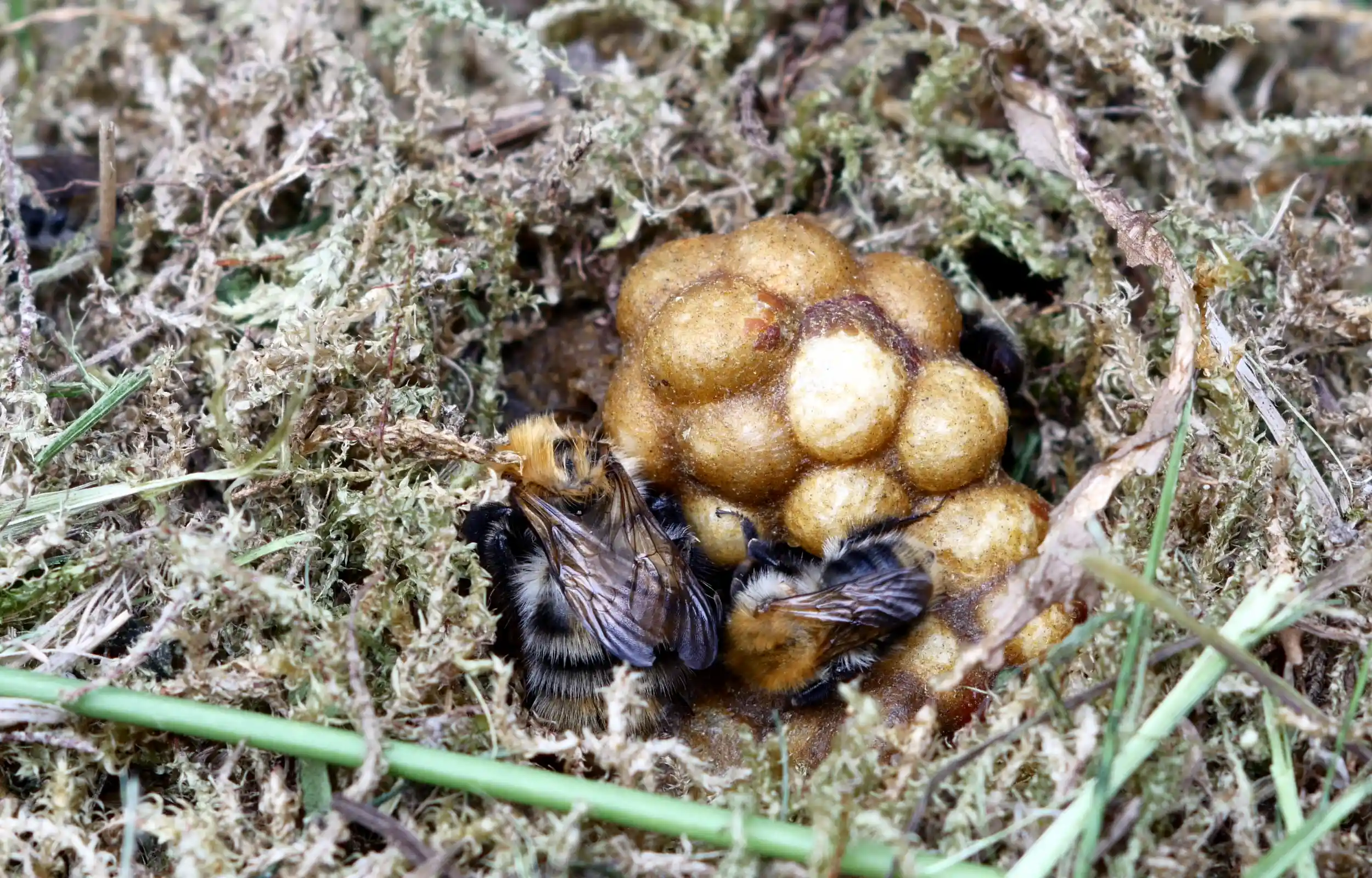
The typical bumble bee habitat is quiet and protected. Many nests are built underground in abandoned rodent burrows, compost piles, or thick grass. Others may nest in wall voids, sheds, or insulation if conditions feel right.

Several bumble bees in a ground-level nest, consisting of several clustered cells

Because they prefer undisturbed spaces, bumble bees are more common in gardens, parks, and yards that back up to natural areas.

Bumble bees play a huge role in pollination. Their size and strength allow them to perform “buzz pollination,” vibrating flowers to release pollen that other bees can’t access. This makes them essential for crops like tomatoes, peppers, and berries.

Healthy bumble bee populations support healthy ecosystems and our food supply. If bumble bees must be removed, our technicians follow local laws and regulations, ensuring this important species is handled and removed appropriately.

The bumble bee’s lifespan depends on its role in the colony. Queens can live close to a year, while workers usually survive only a few weeks. Colonies are seasonal, forming in spring and naturally dying off by late fall.

Each colony is relatively small, often fewer than a few hundred bees. Activity peaks in warm months, then tapers as temperatures drop.

Bumble bees feed on nectar for energy and pollen for protein. Flowers are their primary food source, which is why you’ll see them moving steadily from plant to plant throughout the day.

They’re not attracted to human food or garbage, and they don’t seek out homes for food. They do this for shelter only.

Birds, spiders, small mammals, and some insects prey on bumble bees. Skunks and raccoons may also dig up underground nests to eat larvae, which can sometimes draw attention to a nest you didn’t know was there.

Signs of a bee infestation

Bumble bees don’t tend to infest homes or commercial buildings, but nesting near structures can still be a problem. Common signs include:

  • Repeated bee activity in one area of the yard
  • Bees entering and exiting a hole in the ground or wall
  • A low buzzing sound coming from voids or soil

If activity is increasing or located close to living spaces, book a free inspection with one of our local technicians. We’ll confirm any activity and recommend next steps.

Professional bee control and relocation

When bumble bees nest too close for comfort, we’re here to help with residential and commercial pest control. Our technicians focus on solutions that help to protect people while respecting the role bees play in nature.

Because bees can behave unpredictably when nests are disturbed, professional handling helps reduce risk and avoid repeat issues. Learn more about bee control or talk to us today about your pest control needs.

Frequently asked questions

Yes, bumble bees are beneficial pollinators that help flowers, fruits, and vegetables grow. In most cases, their presence is a sign of a healthy outdoor environment, as long as nests aren’t too close to high-traffic areas.

Bumble bees can sting, but they rarely do unless they feel threatened or their nest is disturbed. They do not bite, and they’re generally calm when left alone.

A tired bumble bee often moves slowly, rests on the ground, or struggles to fly. This is common late in the season or after heavy foraging and doesn’t always mean the bee is dying. If the bee doesn’t revive after drinking some sugar water, it may be dying.

Find your local branch

Enjoy protection from 39 of the most common household pests with our annual pest control program, PestFree365+.