Temps and termites are on the rise. Schedule your free inspection today.

800-937-8398 Call us for a free quote Contact us

Carpenter bees

Carpenter bees are often mistaken for bumble bees, but their habits - and the problems they can cause - are very different. Understanding carpenter bee characteristics can help you tell whether the bees around your home are beneficial visitors or a potential concern for your property. Below, we break down how carpenter bees live, where they nest, and when it’s time to bring in professional help to prevent structural damage from their wood-boring behaviors.

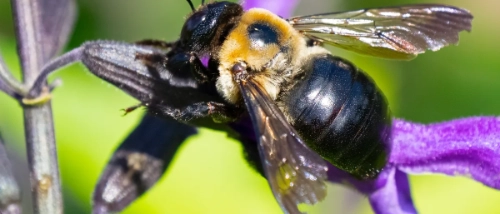
Carpenter bee on a flower

Characteristics

Carpenter bees are large, heavy-bodied bees known for their ability to tunnel into wood. Unlike many bees that live underground or in hives, these bees excavate galleries inside wooden structures to raise their young. Over time, this behavior can lead to visible wear on exposed wood.

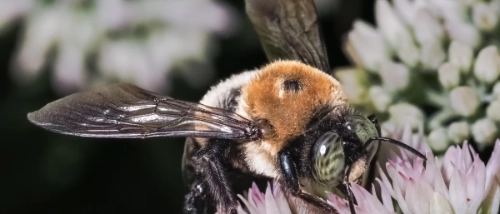
Two bumble bees, fuzzy with black and orange-yellow stripes, colelct nectar from a flower

Identification

Correct identification is key when dealing with carpenter bees. They look similar in size and color to bumble bees, but there’s one major giveaway: carpenter bees have smooth, shiny black abdomens instead of fuzzy ones. You may also notice them hovering near wooden decks, eaves, or railings, especially in spring.

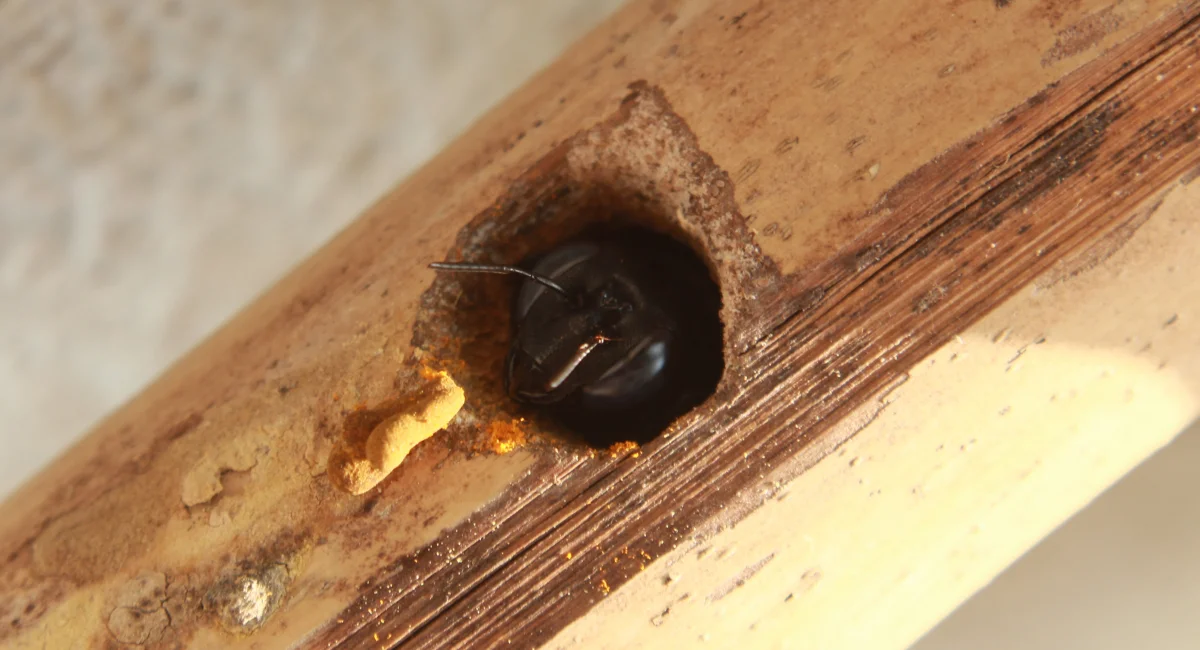
If you see round, clean-edged holes in wood - about the size of a pencil eraser - you’re likely looking at carpenter bee activity rather than another bee species.

If you’re not sure whether you have carpenter bees or not, book a free inspection. We’ll identify the species and recommend the best treatment plan.

Habitat, diet, life cycle, and behaviors

Learn more about the habitat, life cycle, and behaviors of carpenter bees; knowing how to spot carpenter bees can help prevent infestations from worsening.

A typical carpenter bee habitat includes dry, untreated, or weathered wood. Common nesting sites include decks, pergolas, fences, fascia boards, and wooden siding. These bees prefer horizontal or slightly angled wood surfaces that are easy to excavate.

A carpenter bee emerges from a round hole - no larger than its body - in some wood

Once a site proves successful, carpenter bees may return year after year, expanding existing tunnels and attracting new bees.

Despite their reputation for causing damage, carpenter bees do serve an ecological purpose. They pollinate flowers and plants as they forage, supporting local ecosystems. Balancing environmental benefits with property protection is where professional guidance is particularly helpful.

The carpenter bee’s life cycle begins in spring when adults emerge and begin mating. Females then bore tunnels into wood, laying eggs in a series of chambers stocked with pollen. New adults typically emerge by late summer.

While individual bees don’t live long, the tunnels they create can persist and grow over time, increasing the risk of long-term structural damage if left unaddressed.

Carpenter bees feed on nectar and pollen from flowers. They don’t eat wood - the tunnels are strictly for nesting. Their feeding habits won’t damage plants or landscaping, and they’re not attracted to human food or garbage.

Natural predators include birds, spiders, and small mammals. Woodpeckers, in particular, may cause additional damage by tearing into wood to reach larvae inside tunnels.

Signs of a bee infestation

Carpenter bee activity often starts subtly and becomes more noticeable over time. Common signs include:

  • Perfectly round holes in wood
  • Fine sawdust (frass) below entry holes
  • Bees hovering repeatedly around the same area
  • Increased woodpecker damage

Early action can help limit expansion and prevent potentially costly repairs.

Professional bee control and relocation

When carpenter bees target your property, our technicians are on standby to help with residential or commercial pest control. Our technicians identify the extent of activity, locate hidden tunnels, and recommend solutions that help address both the bees and the conditions attracting them.

Profesional bee control helps reduce risks, protect your structure, and prevent repeat nesting.

Frequently asked questions

Carpenter bees have several natural predators, including birds, spiders, and small mammals. Woodpeckers are a common threat and may peck into wood to reach larvae, sometimes causing even more damage than the bees themselves.

Carpenter bees often return to the same nesting sites year after year, especially if existing tunnels are left untreated. Over time, reused tunnels can expand and increase the risk of structural damage.

Carpenter bees are not aggressive and rarely sting. Males may hover or act territorially, but they don’t have stingers, and females typically sting only if handled or their nest is disturbed.

Find your local branch

Enjoy protection from 39 of the most common household pests with our annual pest control program, PestFree365+.