Temps and termites are on the rise. Schedule your free inspection today.

800-937-8398 Call us for a free quote Contact us

Cactus mouse

Learn about cactus mice - habitat, diet, life cycle, and dangers

The cactus mouse is a desert-adapted rodent found throughout the arid regions of the southwestern United States and Mexico. These medium-sized mice are well-suited to harsh desert environments and rarely enter human dwellings. Read on to learn more in this quick guide to the cactus mouse.

Quick facts about cactus mice

  • Primarily outdoor animals that rarely enter buildings
  • Medium-sized desert rodents measuring six to eight inches in total length
  • Grayish-brown or buff-colored fur with white or pale gray undersides
  • Found in arid desert regions with cacti, shrubs, and rocky terrain
  • Well adapted to desert conditions and can survive without drinking water


A house mouse

Cactus mouse identification

Cactus mice (Peromyscus eremicus) are medium-sized rodents native to desert regions of the southwestern United States and Mexico. 

They typically measure six to eight inches in total length, with their tail accounting for about half of that measurement. 

Their fur is grayish-brown or buff-colored on their back and sides, blending well with desert terrain. The underside is white or pale gray, creating a moderate color contrast. The soft, dense fur that provides insulation against hot days and cold desert nights.

Cactus mice have relatively large ears and eyes adapted for nocturnal activity. Their hind feet are moderately large with pale coloring, helping them navigate sandy and rocky desert terrain.

Seeing mice?

Call now to book your free inspection.

Habitat, diet, life cycle, and behaviors

These mice are closely tied to dry, rocky habitats, feed on seeds and cacti and their fruit, and are active mainly at night to avoid the heat—traits that help distinguish them from other species.

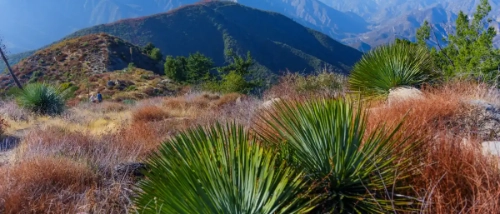
Cactus mice are found in arid and semi-arid regions with sparse vegetation, including deserts, desert scrublands, and rocky hillsides. 

They're particularly common in areas with cacti, mesquite, creosote bush, and other desert shrubs. They build nests in rock crevices, under cacti, in abandoned burrows, under desert shrubs, and occasionally in woodpiles or debris near buildings.

Cactus mice are omnivores that primarily eat seeds from desert plants, including mesquite, creosote, brittlebush, and various grasses. These mice are also particularly fond of cactus seeds and will also consume cactus fruits and pads when available.

Green vegetation, including tender shoots and leaves, supplements their diet, especially during spring when new growth is abundant. Insects provide essential protein and moisture, including beetles, caterpillars, and grasshoppers.

Cactus mice are remarkably adapted to desert conditions and can obtain all necessary moisture from their food, rarely needing to drink free water.

Cactus mice typically live one to two years, though some individuals may survive longer under favorable conditions. The cactus mice's lifespan is limited by predation from owls, hawks, snakes, coyotes, foxes, and other desert predators.

Female cactus mice can produce two to four litters per year. Each litter contains two to five young, with an average of three.

Cactus mice are strictly nocturnal, avoiding the extreme heat of desert days by remaining in their cool burrows or nest sites. They emerge after sunset to forage, using their excellent senses of hearing and smell to locate food and avoid predators.

They're agile climbers and can scale cacti, shrubs, and rocky surfaces with ease. Their long tails provide balance when climbing and navigating uneven terrain. Cactus mice are generally solitary outside of the breeding season and maintain territories that they defend from other cactus mice.

These mice prefer to remain in natural desert environments. They may occasionally be found in outbuildings, garages, or storage areas near desert habitats, but rarely venture into occupied homes.

What are the dangers of cactus mice?

Cactus mice pose minimal risk to humans and property compared to other species. They're not known to be significant carriers of diseases that affect humans, though, like all wild rodents, they can potentially carry parasites and pathogens.

Because cactus mice rarely enter occupied buildings, they don't typically contaminate food supplies or cause structural damage. In rural or desert-edge properties, they may occasionally nest in garages, sheds, or storage areas, but infestations are uncommon.

Recognizing the signs of cactus mouse activity

Signs of cactus mice presence include:

  • Nests in rock crevices, under cacti, or in abandoned burrows
  • Small runways or trails near desert shrubs and rocky areas
  • Droppings found near nests or feeding areas
  • Seed caches – small stockpiles or hoards of seeds – stored in protected locations
  • Gnaw marks on cactus pads or seed pods
  • Sightings of the mice themselves at night, particularly near desert vegetation.

Where are cactus mice found?

Cactus mice are found throughout the southwestern United States and northern Mexico. Their range includes southern California, southern Nevada, Arizona, southern New Mexico, western Texas, and extends south into Baja California and mainland Mexico.

They're most common in low to moderate elevation desert regions, typically below 5,000 feet. They thrive in areas with sparse vegetation, rocky terrain, and desert shrubs.

The differences between cactus mice and other mice

Find out how to distinguish harvest mice from other species by observing color, habitat, physical appearance, and other key information.

House mice

House mice are uniformly gray or brown without the bi-colored tail characteristic of cactus mice. House mice prefer indoor environments and human-occupied buildings, while cactus mice remain in desert habitats. 

House mice also have smaller ears relative to their head size.

Deer mice

Deer mice are very similar to cactus mice in appearance and size. Both their tails are bi-colored, dark on top and light underneath.

The main differences are habitat preference (deer mice prefer woodlands and grasslands rather than deserts) and subtle differences in tail length and ear size.


White-footed mice

White-footed mice are similar in appearance to both deer mice and cactus mice but prefer wooded habitats with more moisture. 

They have shorter tails relative to body length and are rarely found in arid desert environments where cactus mice thrive.

Harvest mice

Harvest mice are much smaller than cactus mice with grooved front teeth and semi-prehensile tails. 

They prefer grassy or marshy habitats rather than arid deserts and build distinctive ball-shaped nests in vegetation.


Tips for mouse prevention

Cactus mice are well-adapted to desert environments and rarely move indoors, but properties near their habitat can still attract them. These steps can help keep them away:

  • Block entry points. Even in dry climates, small gaps around doors, vents, and foundations can provide access. Seal openings larger than 1/4 inch, especially where pipes or cables enter
  • Create a clear perimeter. Cactus mice prefer areas with cover like shrubs and cacti, so keep a vegetation-free buffer around buildings. Trim back desert plants and avoid dense landscaping close to walls.
  • Consider professional help. If you’re dealing with rodent activity or need help confirming the species, our technicians can help with pest control for your home or business.

Frequently asked questions

Cactus mice obtain moisture from their food, including seeds, cactus fruits, green vegetation, and insects. Their kidneys are also highly efficient at concentrating urine to minimize water loss, and they're nocturnal, avoiding the daytime heat when water loss through respiration is highest.

Nocturnal hunters like owls (particularly barn owls and great horned owls) are their primary predators. They're also preyed upon by snakes (including rattlesnakes and gopher snakes), coyotes, foxes, bobcats, and hawks.

Cactus mice live in arid desert regions of the southwestern United States and northern Mexico, including southern California, Arizona, Nevada, New Mexico, and western Texas. They inhabit areas with sparse vegetation, rocky terrain, cacti, and desert shrubs, typically at elevations below 5,000 feet. 

They nest in rock crevices, under cacti, in abandoned burrows, and beneath desert shrubs rather than in buildings.

Find your local branch

Find out more about Western Exterminator and our services.