© 2026 Rentokil Initial plc and subject to the conditions in the Legal statement
Quick overview
- Most wasps are solitary and rarely sting; it's a handful of social species causing all the trouble
- Wasps sting to defend their nest
- Yellowjackets are one of the most aggressive common wasp species, especially in late summer
- Swatting, sweet smells, and proximity to nests are the most common triggers for a sting
- A nest near your home is a real risk; professional removal is the safest option
Most wasps aren't aggressive at all. Of the roughly 100,000 known wasp species worldwide, the vast majority are solitary. They live alone, don't build communal nests, and have little reason to sting you. You've probably walked past dozens of them without ever knowing it.
The wasps that give the whole group a bad reputation are the social species: yellowjackets, paper wasps, and hornets. These are the most aggressive wasp species as they build colonies, guard their nests fiercely, and respond to perceived threats as a group.
Why do wasps sting, and are wasps aggressive for no reason?
The main reason wasps sting is to defend their nests. Social wasps are wired to protect their colony at all costs. When a worker wasp senses a threat near the nest, it releases an alarm pheromone, a chemical signal that recruits other wasps to join the defense. This is why disturbing a nest is a terrible idea.
Outside of nest defense, wasps can also sting when they feel threatened. Common triggers include:
- Swatting or flailing: Sudden movements signal danger
- Strong scents: Sweet perfumes, sunscreen, and food smells can attract wasps and put them on edge
- Bright colors: Research has shown that wasps show a strong preference for certain colors — particularly yellows, blues, and purples that mimic flowering plants
- Getting too close to a food source: Wasps scavenging for sugars or protein can become defensive if they feel crowded
Unlike bees, most wasps can sting multiple times. They don't lose their stinger, which means a single wasp can deliver several stings in quick succession.
If you’re being troubled by wasps on your property, contact our wasp control services team. They will be happy to advise on the best way to protect you and your family from exactly these kinds of risks.
Which wasp species are the most aggressive?
Not all wasps are created equal when it comes to temperament. Here's a quick rundown of the most aggressive wasp species you're likely to encounter in the US:
Yellowjackets
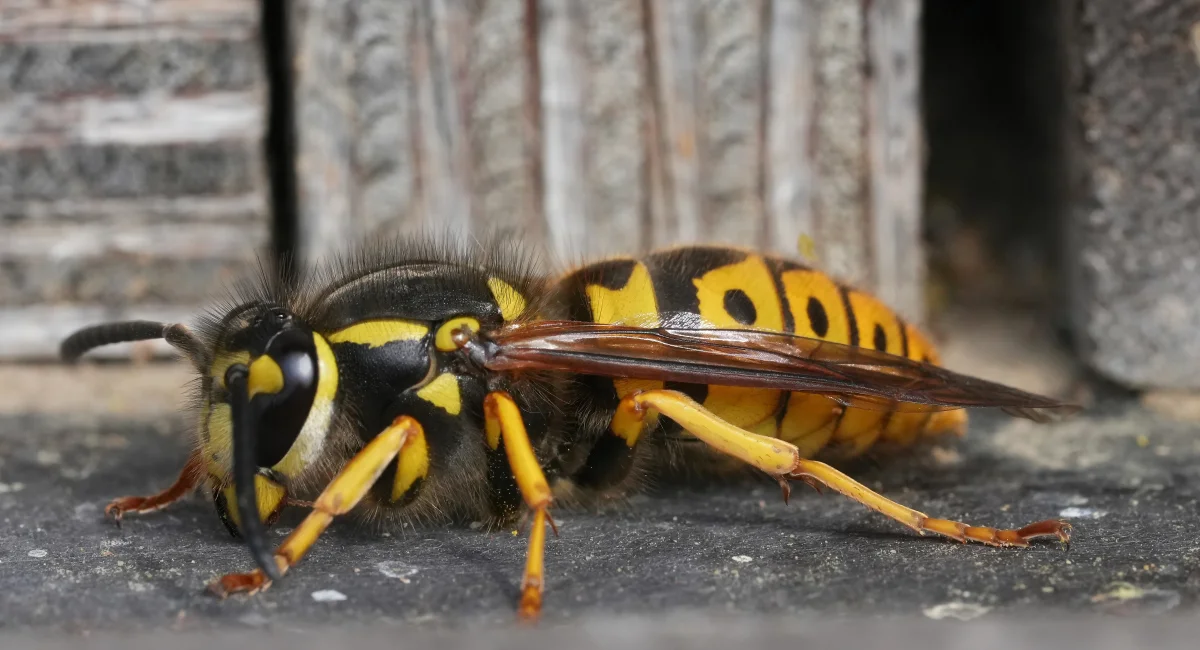
Yellowjackets are highly defensive of their nests and will sting repeatedly without much provocation. They're also scavengers, which means they show up at picnics, trash cans, and outdoor dining, putting them in regular contact with people. As summer ends, yellowjacket colonies reach peak size while their natural food sources dry up, making them hungrier, more desperate, and far quicker to sting. This is why yellowjackets are more aggressive in the fall.
Paper wasps
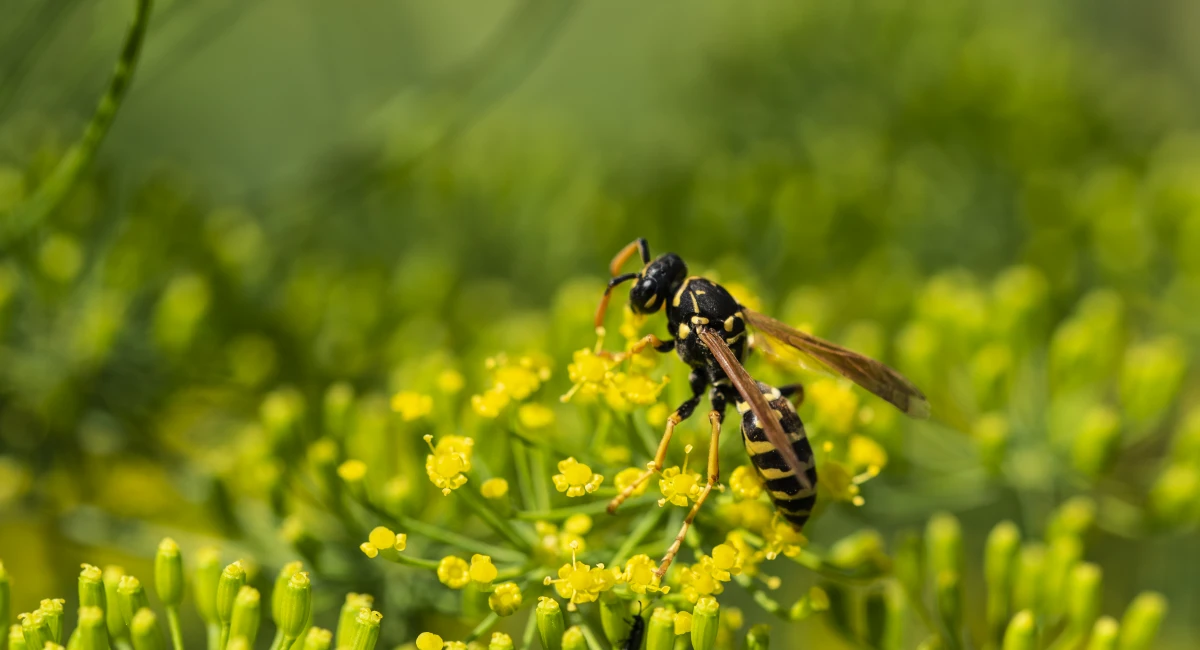
Paper wasps are a little more laid-back than yellowjackets, but they'll still sting if their nest is disturbed. They build the open, umbrella-shaped nests you often see hanging from eaves, porch ceilings, or fence rails.
Bald-faced hornets
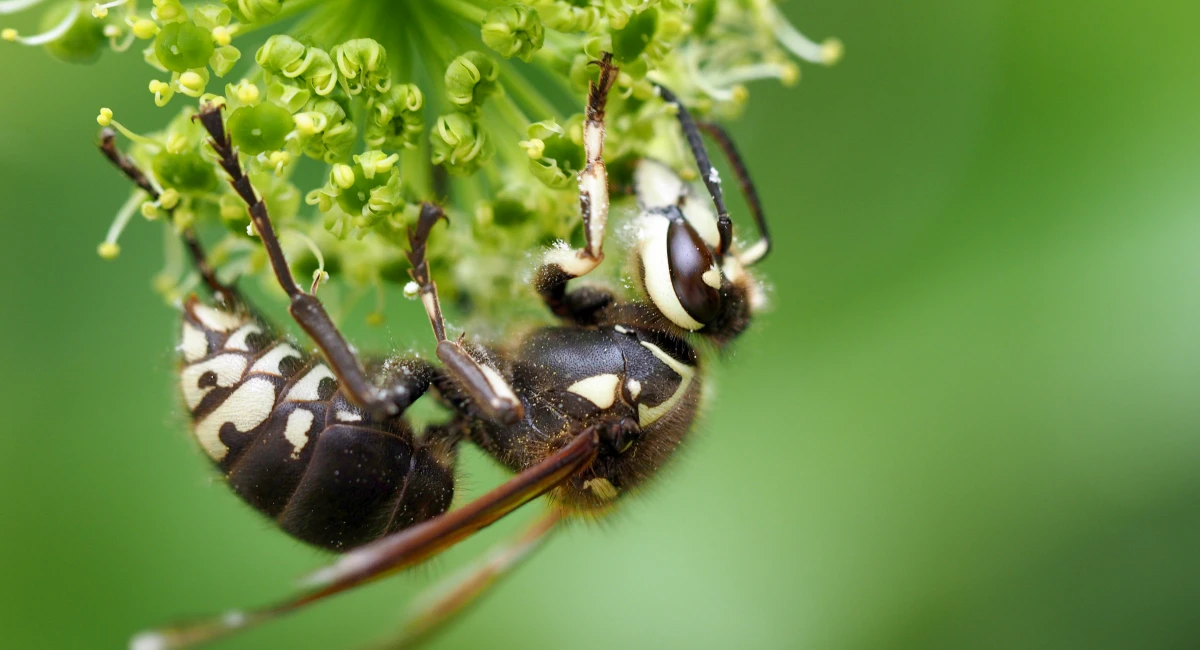
Despite the name, bald-faced hornets are actually a type of yellowjacket. They're larger (up to 0.75 inches) with distinctive black-and-white markings. They're aggressive defenders and can sting multiple times.
European hornets
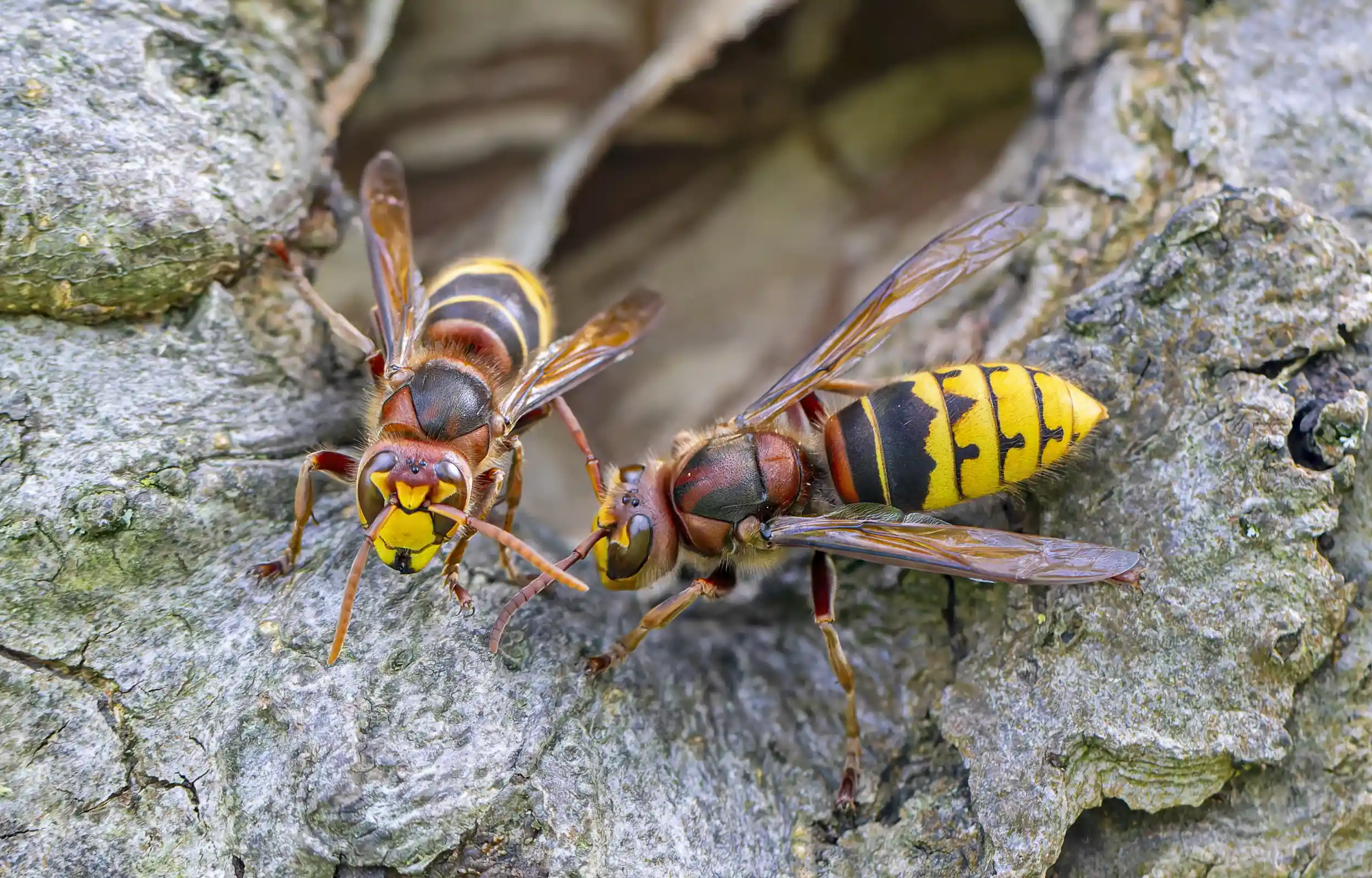
The largest social wasp in the US, European hornets can reach 1.5 inches in length. They're less commonly encountered than yellowjackets but can be aggressive when their nest is threatened. Unlike most wasps, they're also active at night, which can catch people off guard.
When wasp aggression becomes a real problem
A wasp or two flying through your yard is usually nothing to worry about. The situation changes when there's an active nest nearby. Disturbing a nest without the right protective equipment can provoke a mass defensive response, and wasps can sting through thin clothing.
Whether you need a one-time treatment or year-round protection, our wasp control solutions are designed to protect you and your family.
Book your free pest inspection today
Our local technicians will assess your property and recommend tailored solutions. Fast, friendly, and completely obligation-free.
- Safe, targeted treatments
- Local experts, fast response
- Trusted, trained technicians