© 2026 Rentokil Initial plc and subject to the conditions in the Legal statement
Quick overview
- Wasps can sting more than once in one encounter
- Unlike bees, wasps do not lose their stinger
- They usually sting when they feel threatened
- Wasp stings can be painful and sometimes serious
- Avoid nests and call a professional if needed.
Most people know that a honeybee can only sting once. Wasps, however, are a whole different story. If you've ever disturbed a nest or swatted one away and ended up with more than one sting to show for it, there's a reason for that.
Quick answer: Can wasps sting more than once?
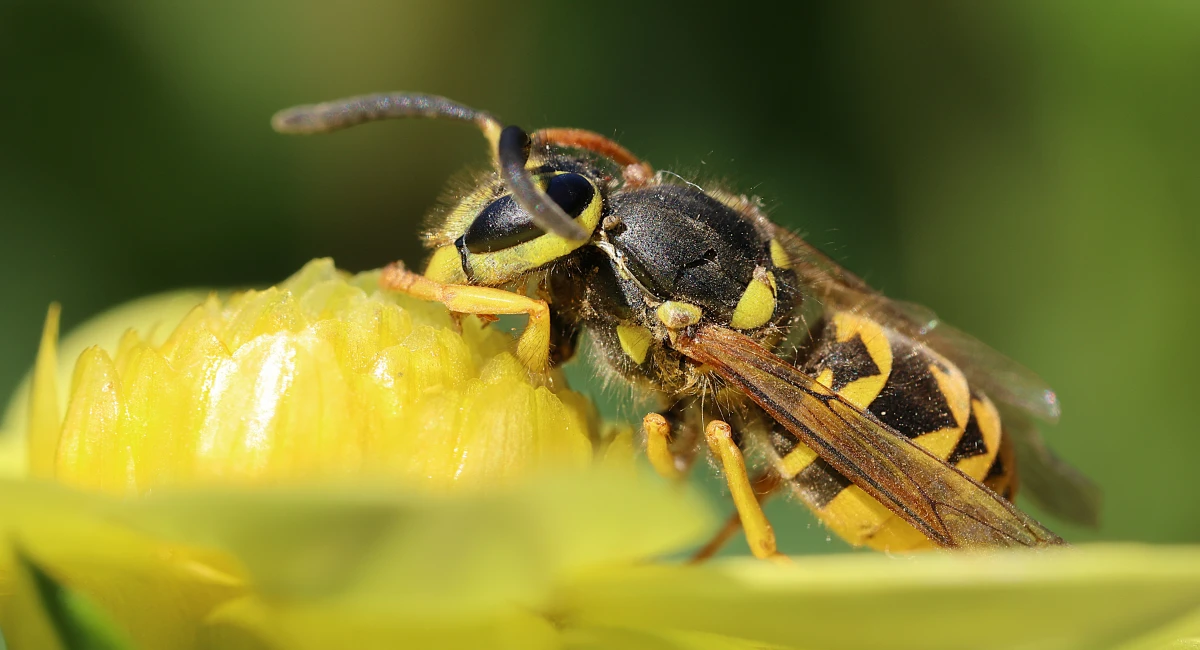
Yes. A wasp can sting multiple times in a single encounter, and there's no limit to how many times it can do so. This is one of the key differences between wasps and honeybees, and it's part of what makes wasps more dangerous when they feel threatened.
Why can wasps sting multiple times?
This all comes down to anatomy. Wasps are built differently from bees, and that difference is what allows them to sting repeatedly without any harm to themselves.
Smooth stinger vs. barbed bee stinger
A honeybee's stinger is barbed, meaning it gets lodged in the skin when it stings a person. As the bee pulls away, the stinger tears from its body, which is fatal to the bee. Wasps have a smooth stinger that slides in and out cleanly, so they can sting again and again without any cost to themselves.
Do wasps lose their stinger after stinging?
No, they don’t. Wasps have a smooth, non-barbed stinger that doesn't get caught in skin, so they can withdraw it cleanly after each sting and use it again straight away.
A single wasp can sting you multiple times in quick succession if it feels threatened or cornered.
How many times can one wasp sting in a single attack?
There's no fixed number. A wasp will keep stinging as long as it perceives a threat. In practice, most people receive several stings during a single encounter, particularly if they've disturbed a nest or accidentally trapped a wasp against their skin.
The more agitated the wasp, the more likely it is to sting repeatedly.
Are wasp stings dangerous?
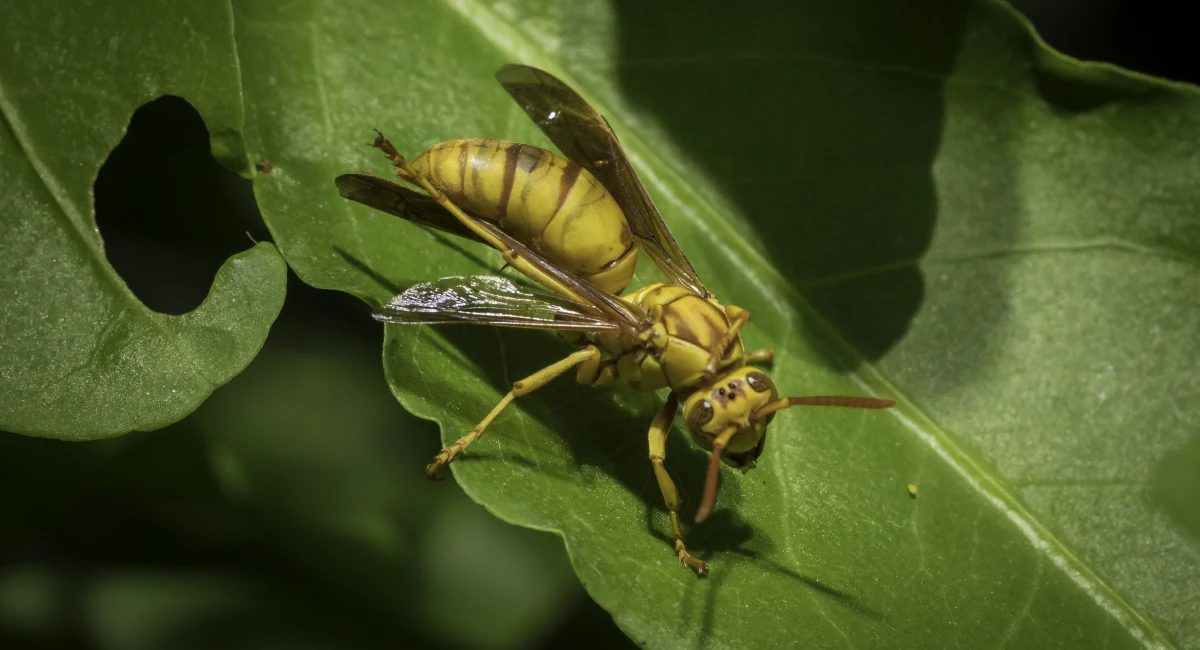
For most people, a wasp sting is painful but not life-threatening. That said, reactions can vary significantly from person to person, and some can be serious.
Normal reactions to a wasp sting
A typical reaction includes sharp, immediate pain at the sting site, followed by redness, swelling, and itching. These symptoms usually peak within a few hours and resolve on their own within a day or two.
Large local reactions
Some people experience a more pronounced response, with significant swelling that spreads beyond the sting site. This can look alarming but isn't necessarily a sign of a severe allergy. It tends to resolve within a few days, though you should speak to a healthcare professional if the swelling is extensive or doesn't improve.
Severe allergic reactions and anaphylaxis
A small percentage of people are allergic to wasp venom and can experience anaphylaxis, a severe, potentially life-threatening reaction.
If you are worried about any symptoms following a sting, seek immediate medical attention.
Why wasp stings hurt and how venom works
When a wasp stings, it injects venom into the skin. Wasp venom contains a mix of compounds, including a protein called kinin, which triggers pain and inflammation. It also contains enzymes that help the venom spread through tissue, which is why the area around a sting can swell and remain tender for some time.
The more stings you receive, the greater the amount of venom introduced, which can intensify symptoms even in people without a known allergy.
When are wasps most likely to sting?
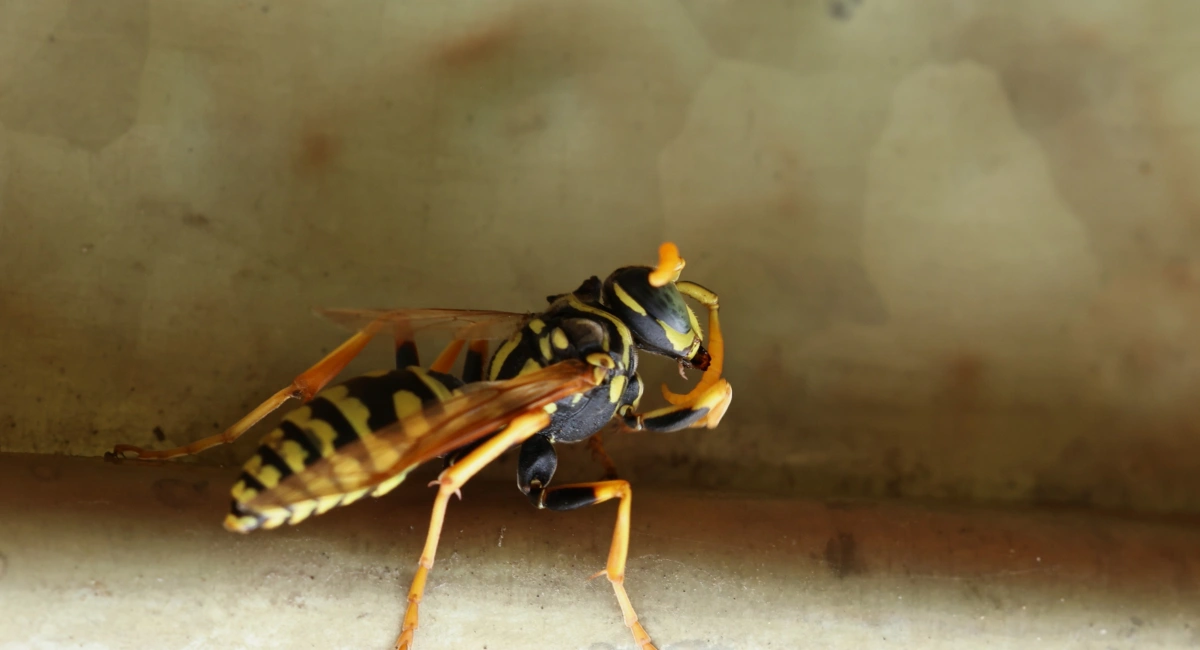
Wasps don't sting without reason. They're generally defensive rather than aggressive, and most stings happen when a wasp feels threatened or when a nest is disturbed.
A few situations that tend to trigger wasp stings:
- Getting too close to a nest, even accidentally
- Swatting at or trapping a wasp
- Disturbing a nest while doing yard work, trimming hedges, or moving outdoor furniture
- Eating or drinking outside, particularly sweet foods and drinks that attract wasps
- Late summer and early fall, when colonies are at their largest and food sources become scarcer.
Yellowjackets tend to be the most reactive of the bunch, particularly toward the end of summer when workers are foraging hard, and the colony is winding down. If you're seeing a lot of activity around your property, it's worth getting a professional eye on it sooner rather than later.
What to do if a wasp stings you
If you're stung, move away from the area calmly and avoid swatting as this can agitate nearby wasps further. For most people, a sting is painful but manageable at home.
If symptoms feel severe, unusual, or don't settle, contact a healthcare professional for advice. Any signs of a serious allergic reaction requires emergency medical attention right away.
How to avoid being stung by wasps
The best way to avoid a sting is to reduce the chances of a close encounter in the first place. Tips to reduce wasp activity around your home include:
- Keep outdoor food and drinks covered, especially sugary items
- Seal trash cans tightly and keep them away from doors and windows
- Avoid wearing strong fragrances outdoors during peak wasp season
- Stay calm and move slowly if a wasp lands on you; swatting increases the risk of a sting
- Check outdoor furniture, play equipment, and garden structures regularly for early nest activity.
Getting ahead of the problem in spring, before colonies grow, is always the smarter move. If you spot a nest forming, step back and let our wasp removal services take it from there.
Need help with a wasp problem?
Spotted a nest? Don't wait — wasp colonies grow fast. Contact your local Western team today to schedule your free inspection.
Wasps are dangerous pests because of their ability to sting. Knowing facts about wasps can help you prevent a painful encounter.
Schedule your free pest inspection today
Get peace of mind knowing your home or business is protected. A Western Extermiantor specialist will assess your property and recommend customized solutions.
Book your free pest inspection today
Our local technicians will assess your property and recommend tailored solutions. Fast, friendly, and completely obligation-free.
- Targeted treatments, applied safely
- Local experts, fast response
- Trusted, trained technicians