© 2026 Rentokil Initial plc and subject to the conditions in the Legal statement
Quick overview
- Wasps can both sting and bite, but stings are more common
- A sting injects venom, while a bite does not
- Wasp stings usually hurt more than bites
- Some wasps can sting more than once
- If wasps are nesting nearby, professional help is safest.
If you've ever had a painful encounter with a wasp, you might wonder whether you were bitten, stung, or maybe both.
Do wasps sting or bite - and what's the difference?
The key difference lies in anatomy and purpose. When a wasp stings, it uses a sharp, needle-like stinger located at the end of its abdomen to inject venom into your skin. This is primarily a defense mechanism.
When a wasp bites, it uses its mandibles (jaw-like mouthparts) to grab or chew. They typically bite when they're building nests, capturing prey, or defending themselves in close quarters.

Do wasps bite?
Yes, though it's less common than stinging. Their bites are usually less painful than their stings and often go unnoticed compared to the sharp pain of venom injection.
Why do wasps bite?
Wasps use their mandibles for various tasks, including chewing wood fibers to build their nests, capturing other insects for food, and occasionally defending themselves. If a wasp feels threatened and can't easily deploy its stinger, it may resort to biting.
Some wasp species are more prone to biting than others, particularly when they're disturbed near their nest: Paper wasps and yellowjackets, for example, use their mandibles to bite when handling nest materials or when trapped against skin or clothing.
Do wasp bites hurt?
Generally, yes, but not as much as stings.
A wasp bite typically feels like a pinch or a small nip. You might experience minor redness, swelling, or itching at the site, but the pain is usually brief and mild. That’s because, unlike wasp stings, bites don't inject venom, so the reaction tends to be less severe.
Do wasps sting?
Absolutely. Stinging is the primary defense mechanism for wasps, and it's what they're best known for.
Why do wasps sting?
Wasps sting primarily as a defense mechanism when they feel threatened or when their nest is disturbed. That’s why, if you notice a nest on your property, it's best to contact wasp removal services rather than attempting to do the job yourself.
Can wasps sting more than once?
Unfortunately, yes. Unlike honeybees, which have barbed stingers that get stuck in your skin, wasps have smooth stingers that allow them to sting repeatedly.
It’s also crucial to note that when a wasp stings, it not only injects venom but also releases a pheromone that alerts other nearby wasps to the threat. This could trigger a swarm attack if you’re close to its nest.
That makes wasps particularly dangerous if you accidentally disturb a nest or provoke an aggressive species.
Wasp bite vs wasp sting: symptoms compared
Knowing the difference between bite and sting symptoms can help you respond appropriately and monitor for complications.
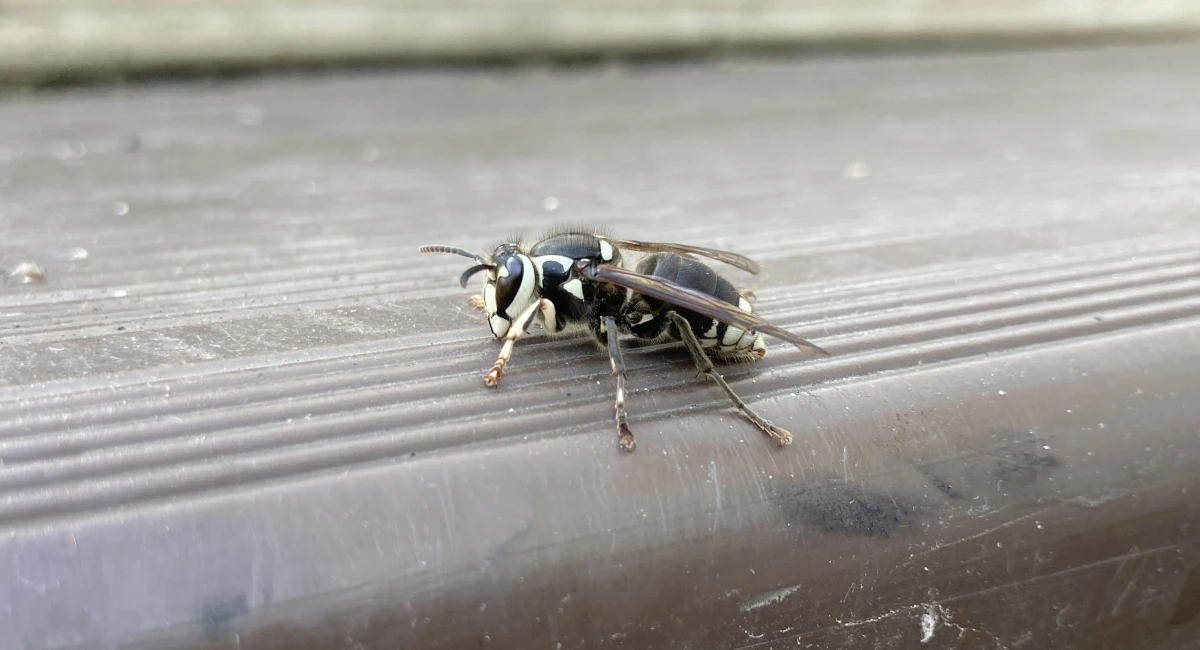
Symptoms of a wasp bite
A wasp bite usually causes:
- Mild pain or pinching sensation
- Minor redness and swelling
- Slight itching
- No venom injection
These symptoms typically resolve on their own within a few hours.
Symptoms of a wasp sting
Wasp stings are more intense and can cause:
- Sharp, immediate pain
- Swelling and redness around the sting site
- Warmth and tenderness
- Itching as the area heals
- In some cases, hives or a larger allergic reaction
Most people experience localized symptoms that improve within a few days. If you experience severe swelling or worsening symptoms, seek medical attention.
If you or someone nearby shows signs of anaphylaxis (wasp-venom allergy), call 911 immediately. People with known insect venom allergies should carry an epinephrine auto-injector and seek medical attention right away after being stung.
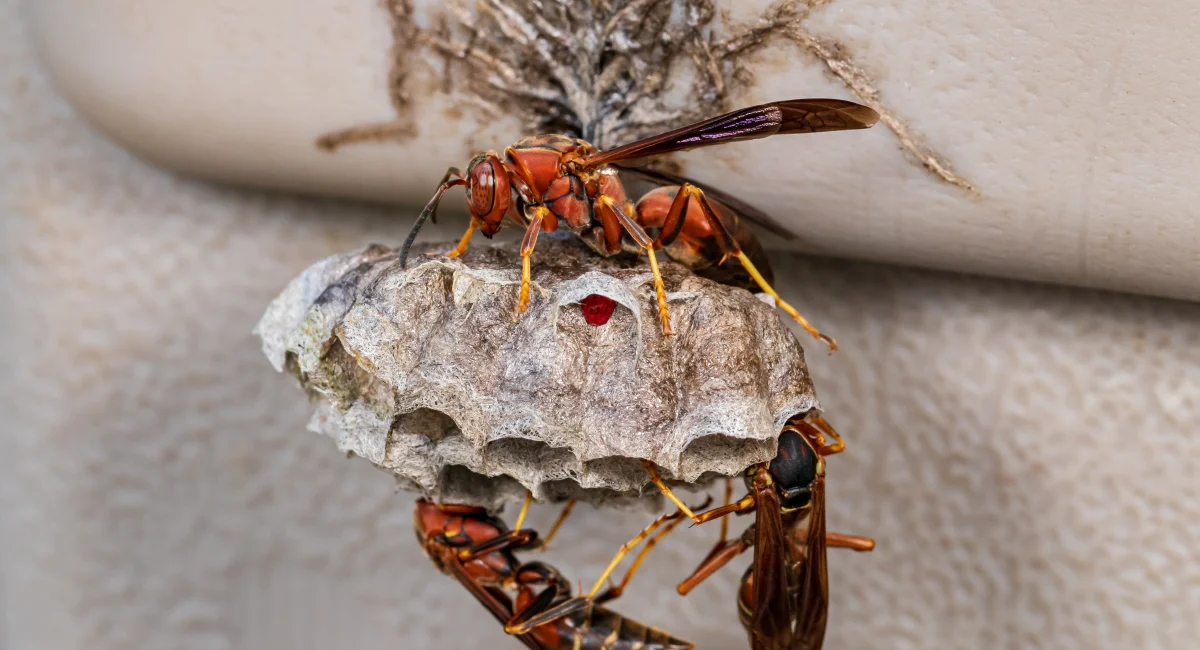
Which wasps are most likely to bite or sting?
Not all wasps are equally aggressive. Here are the most common culprits:
Yellow jackets
Yellow jackets are among the most aggressive wasps in North America. These social wasps build nests in the ground, in wall voids, or under eaves, and they're highly protective of their colonies. These wasps are notorious for stinging multiple times and are often attracted to sugary foods and drinks at outdoor gatherings.
Paper wasps
Paper wasps build distinctive umbrella-shaped nests under eaves, decks, and porch ceilings. While generally less aggressive than yellow jackets, they will defend their nest if threatened. Their stings are painful and can cause significant swelling.
Hornets
Hornets are larger than most wasp species and can deliver particularly painful stings due to their size and venom potency. They're protective of their nests and can become aggressive if disturbed.
Why do wasps become aggressive?
Wasps become aggressive when they perceive a threat to themselves or their nest. Late summer and early fall are peak times for wasp aggression because colonies are at their largest and food sources become scarce.
During this time, wasps are more likely to swat at people, hover around food, and sting with little provocation, making them a particular concern for commercial properties like restaurants, hotels, and other businesses with outdoor dining or gathering spaces.
Vibrations, loud noises, and sudden movements near a nest can also trigger defensive behavior. Even accidentally stepping near a ground nest or brushing against a shrub where wasps have built their home can result in multiple stings.
How to prevent wasps from stinging or biting you
Prevention is your best defense against painful encounters with stinging insects.
If you know you'll be around wasps, avoid wearing bright colors or floral patterns that might attract them. If you spot a wasp, don't swat at it; remain calm and move away slowly instead. Keep food and drinks covered at outdoor events, and seal garbage cans tightly to prevent these pests from being drawn to your property.
Also, during the summer and autumn months, inspect your property regularly for nests and avoid wearing strong perfumes or scented lotions when spending time outside. Be cautious when gardening or doing yard work, as wasps often build nests in shrubs, trees, and ground cavities.
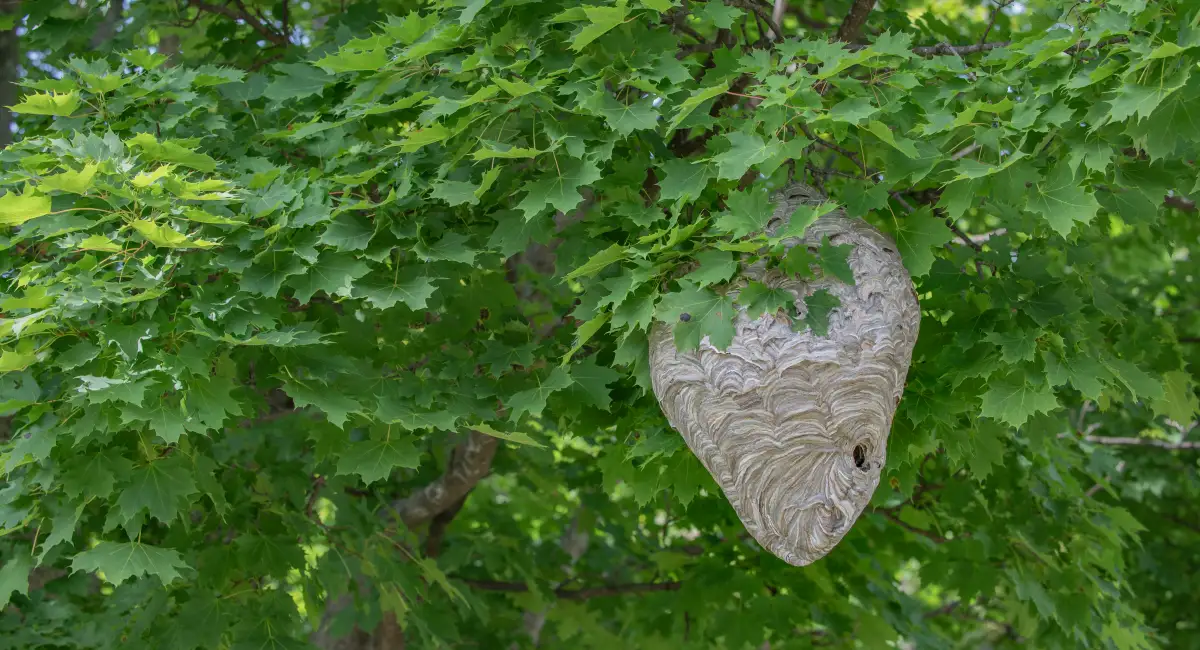
If you discover a wasp nest on your property, don't attempt DIY removal. This task is best left to trained professionals who have the proper equipment and expertise for successful wasp nest removal.
When to call a professional
While a single wasp encounter might not require professional help, there are situations when you should contact us for control.
- You've discovered a wasp nest on or near your property
- You're experiencing repeated wasp activity around your home
- A nest is located in a high-traffic area
Our stinging insect control experts can remove nests, identify wasp species, and implement prevention strategies to protect your home and family.
Don't put yourself at risk—let our trained technicians handle these potentially dangerous pests.
Enjoying your yard is one of the best parts of summer. Our experts share their prevention tips to avoid wasps and bees and live sting-free.
Schedule your free pest inspection today
Get peace of mind knowing your home or business is protected. A Western Extermiantor specialist will assess your property and recommend customized solutions.
Book your free pest inspection today
Our local technicians will assess your property and recommend tailored solutions. Fast, friendly, and completely obligation-free.
- Targeted treatments, applied safely
- Local experts, fast response
- Trusted, trained technicians