© 2026 Rentokil Initial plc and subject to the conditions in the Legal statement
Quick overview
- Yellow fever is spread by the Aedes aegypti mosquito
- Found mainly in tropical Africa and South America, and rarely causes illness in U.S. travelers
- The CDC recommends vaccination and protecting yourself from mosquito bites
Mosquitoes spread a number of serious illnesses, and yellow fever is among the most serious. It's a viral disease that has affected millions of people throughout history and continues to cause outbreaks in parts of the world today. Yellow fever is not currently endemic in the United States.
What is yellow fever?
Yellow fever is a viral disease caused by the yellow fever virus. The name comes from one of its most recognizable symptoms: jaundice, which causes the skin and eyes to turn yellow. Yellow fever can present a number of symptoms, ranging from fever and aches to severe liver disease.
How is yellow fever transmitted?
The virus doesn't spread from person to person through casual contact. Instead, it relies on mosquitoes as its primary vector. Here's how the transmission cycle works:
- A mosquito feeds on an infected human or other primate host (such as a monkey) that has the virus in their bloodstream.
- The virus replicates inside the mosquito.
- When that mosquito bites another person, it can pass the virus on through its saliva.
This is what makes mosquitoes so effective at spreading disease: they act as a bridge between infected hosts and healthy people. Understanding how yellow fever spreads helps explain why controlling mosquito populations is such an important aspect of public health.
What type of mosquito causes yellow fever?
Not all mosquitoes carry yellow fever. The type of mosquito that causes yellow fever is primarily Aedes aegypti, the same species responsible for spreading dengue fever and Zika virus. Mosquitoes of the genera Haemagogus and Sabethes can also spread the disease.
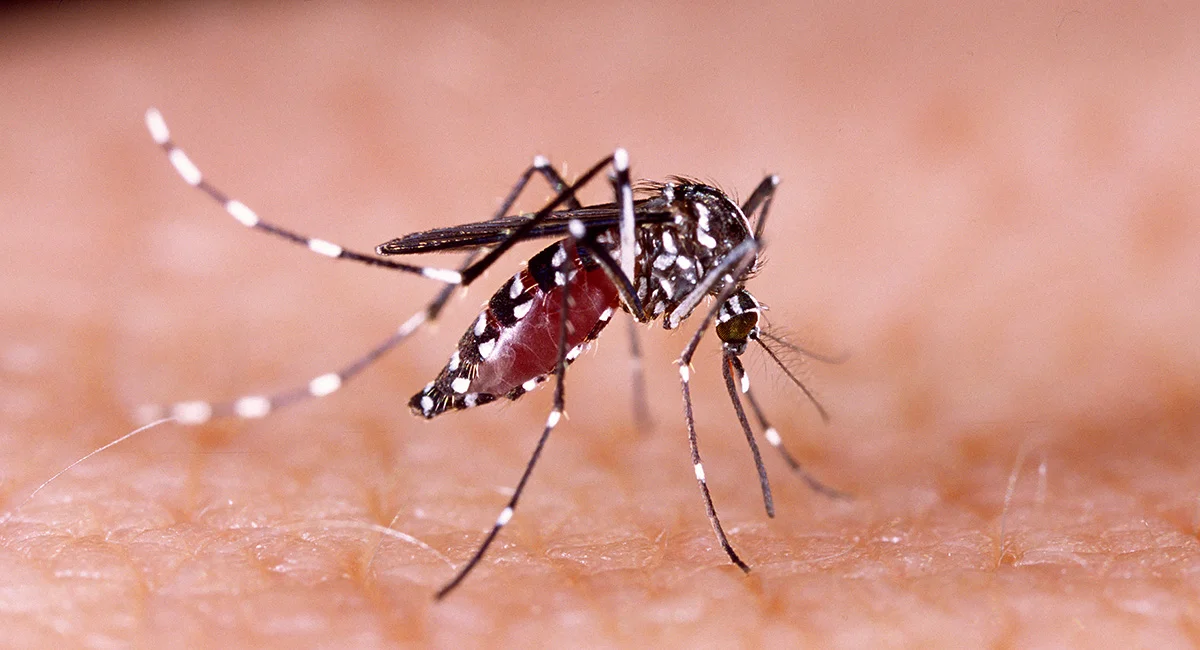
Aedes aegypti is a small, dark mosquito with distinctive white markings on its legs and body. It's a daytime biter, most active in the early morning and late afternoon. Unlike some mosquito species, it prefers to breed in small, stagnant water sources near human activity. This can include flower pots, buckets, birdbaths, and clogged gutters. This makes it particularly well-suited to urban environments.
How to reduce your risk of mosquito-borne illness
Yellow fever is not present in the United States, but it does occur in tropical and subtropical regions of Africa and South America. If you're planning to travel to an affected area, taking a few precautions before and during your trip can help protect you.
The CDC recommends the following steps:
- Get vaccinated: Talk to your healthcare provider about whether the yellow fever vaccine is recommended for your destination. It's the most effective protection available.
- Use insect repellent: Apply an EPA-registered repellent to exposed skin. Mosquitoes in affected regions can bite during both day and night.
- Cover up: Wear long-sleeved shirts and pants to reduce exposed skin.
- Treat your clothing and gear: Treating clothing with 0.5% permethrin can add an extra layer of protection.
- Choose your accommodation carefully: Where possible, stay in lodging with air conditioning or screened windows and doors. If sleeping outdoors, use a mosquito net.
If you're unsure whether vaccination is right for you, consult your healthcare provider well in advance of travel. For more comprehensive results at home, professional mosquito control is the more reliable option.
Frequently asked questions
Yellow fever is endemic in tropical areas of sub-Saharan Africa and South America. It is not currently circulating in the United States, but it poses a risk to travelers visiting affected regions. If you're planning to travel to an area where yellow fever is active, speak with a healthcare professional about vaccination before you go.
Mosquitoes can spread a range of serious illnesses beyond yellow fever. In the U.S., the most common mosquito-borne diseases include West Nile virus, Zika virus, dengue fever, and Chikungunya virus. Mosquitoes can also transmit heartworm to dogs and cats.
Schedule your free pest inspection today
Get peace of mind knowing your home or business is protected. Our technicians will assess your property and recommend customized solutions.
Book your free pest inspection today
Our local technicians will assess your property and recommend tailored solutions. Fast, friendly, and completely obligation-free.
- Targeted treatments
- Local experts, fast response
- Trusted, trained technicians