© 2026 Rentokil Initial plc and subject to the conditions in the Legal statement
Quick overview
- Zika virus is primarily spread through Aedes mosquito bites
- Most infections cause mild or no symptoms, but it poses serious risks during pregnancy
- Zika is found in most tropical and sub-tropical regions of the world
Zika virus is spread by mosquitoes, but not just any mosquito. A specific species is responsible, and knowing a little about the link between mosquito bites and the Zika virus can help you take the right steps to protect yourself and your family. Here's a straightforward look at the facts.
Do mosquitoes spread the Zika virus to humans?
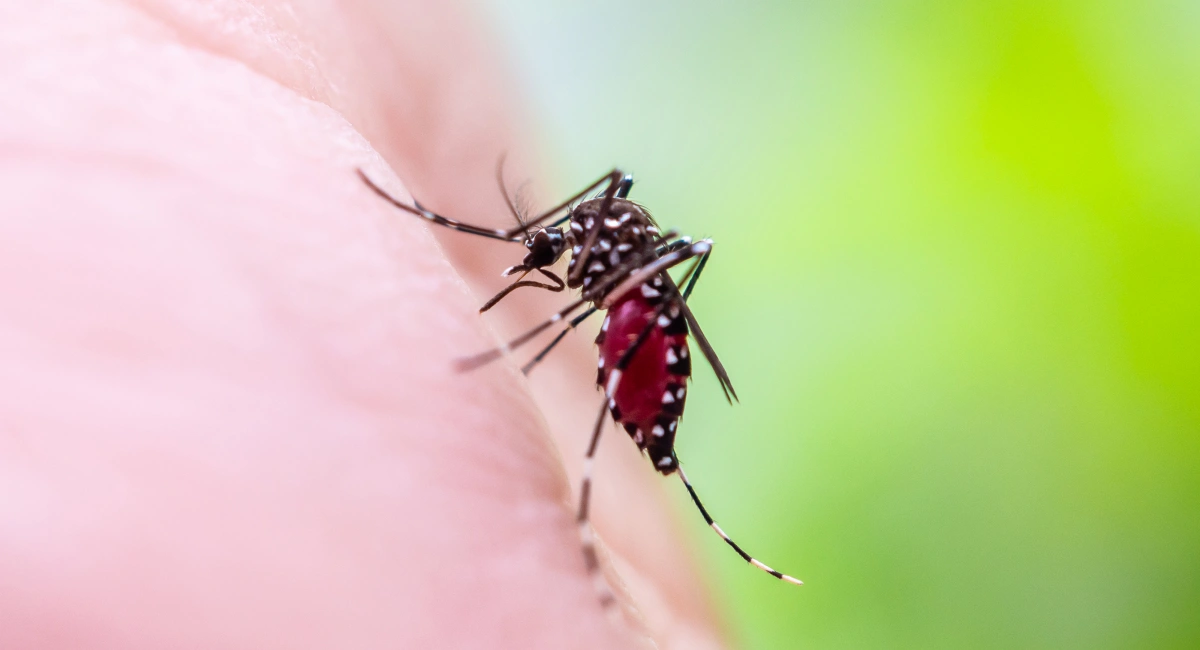
Mosquitoes do transmit the Zika virus, and it's a specific group of mosquitoes that are responsible. Zika virus is primarily spread through the bite of an infected Aedes mosquito, most commonly Aedes aegypti. The Aedes albopictus (also known as the Asian tiger mosquito) is also capable of transmitting Zika, but to a lesser extent. These are the same Zika mosquito species responsible for spreading dengue fever and chikungunya.
Aedes mosquitoes are daytime biters, which sets them apart from many other species. They tend to be most active in the early morning and late afternoon, though they can bite at any time of day.
How does a mosquito bite spread Zika?
When a mosquito with the Zika virus bites an infected person, it picks up the virus along with the blood meal. The virus then replicates inside the mosquito. The next time a mosquito bites someone, it can pass the virus into their bloodstream. This is how Zika spreads from person to person via mosquitoes.
Zika can also spread through sexual contact and from a pregnant person to their unborn child. These routes are less common than a mosquito bite.
Where is Zika found?
Zika is most prevalent in tropical and subtropical regions, including parts of Central and South America, the Caribbean, Africa, Southeast Asia, and the Pacific Islands. In the United States, while locally transmitted Zika cases have historically been reported in Florida and Texas, according to the CDC there is no current local transmission of Zika virus in the continental United States at the time of writing (June 2026). Travelers returning from affected regions have also brought the virus back with them.
The CDC's Zika travel notices are a reliable resource if you're planning international travel and want to check current risk levels by destination.
What are the symptoms of Zika virus?
According to the CDC, many people infected with Zika have no symptoms at all. Those who do present symptoms may experience mild fever, a rash, joint and muscle pain, and red eyes (conjunctivitis), typically lasting a few days to a week. As symptoms can be easy to miss or mistaken for another illness, seek advice from a healthcare professional if you've recently traveled to a Zika-affected area and feel unwell.
How to reduce your risk of mosquito bites when traveling
If you're heading to an area where Zika is active, reducing your exposure to mosquitoes is the most practical way to lower your risk. Here are some steps that can help:
- Use insect repellent: Pack an EPA-registered repellent and use it whenever you're outdoors, especially during the day, when Aedes mosquitoes are most active.
- Cover up: Wear long sleeves and pants, particularly during peak mosquito hours. Treating your clothing with permethrin before you travel adds an extra layer of protection.
- Choose your accommodation carefully: Where possible, stay somewhere with air conditioning or intact window and door screens to keep mosquitoes out.
- Be mindful of your surroundings: Avoid spending time near standing water, dense vegetation, or shaded areas where mosquitoes tend to rest and breed.
These steps do make a difference, but they're not foolproof. Be vigilant and stay protected whenever possible to reduce the chances of bites.
At home, our mosquito control services can provide protection against mosquito bites, targeting adult mosquitoes, larvae, and breeding sites around your property with EPA-registered treatments.
Schedule your free pest inspection today
Get peace of mind knowing your home or business is protected. Our technicians will assess your property and recommend customized solutions.
Book your free pest inspection today
Our local technicians will assess your property and recommend tailored solutions. Fast, friendly, and completely obligation-free.
- Targeted treatments
- Local experts, fast response
- Trusted, trained technicians