© 2026 Rentokil Initial plc and subject to the conditions in the Legal statement
Quick overview
- Eastern equine encephalitis is a rare but serious mosquito-borne virus
- It is transmitted by Culiseta melanura mosquitoes
- Cases concentrated in the eastern United States
- Can cause severe brain inflammation in rare cases
- EEE has a more complex transmission than some other diseases
Mosquitoes are known for being a nuisance, but some carry viruses that can cause serious illness. eastern equine encephalitis, often called the EEE mosquito virus, is one of the most severe mosquito-borne diseases found in the United States. Cases are rare, but the virus can be dangerous when it does infect humans.
What is eastern equine encephalitis (EEE)?
Eastern equine encephalitis is a viral disease caused by the eastern equine encephalitis virus (EEEV). It belongs to the alphavirus family (along with chikungunya and other diseases) and is transmitted to humans via the bite of an infected mosquito. The name comes from the fact that horses and other equine animals are also susceptible to the virus. Like humans, they are what scientists call "dead-end hosts," meaning the virus can't spread back to mosquitoes from them.
EEE is considered one of the most serious arboviral diseases (infections caused by viruses transmitted to humans through the bite of arthropods, such as mosquitoes and ticks) in the Americas. While human cases are rare, the virus can cause severe neurological illness in those who do develop symptoms.
How do mosquitoes spread EEE?
Not every mosquito carries EEEV, and the transmission cycle is more complex than a simple mosquito-to-human transfer. Here's how it works:
- The primary cycle occurs between Culiseta melanura mosquitoes and wild birds in and around freshwater hardwood swamps. This is known as the enzootic cycle.
- Bridge species, including Aedes and Coquillettidia mosquitoes, can pick up the virus from infected birds and then bite humans or other mammals.
- Humans are “dead-end hosts.” When a person is infected, the level of virus in their blood is too low to transmit the infection to a mosquito. The chain stops there.
This is why encephalitis from a mosquito bite is relatively rare; the virus has to jump from its primary bird-mosquito cycle to a bridge species before it can reach people. The risk is still real in areas where the virus is active, and it shouldn't be taken lightly.
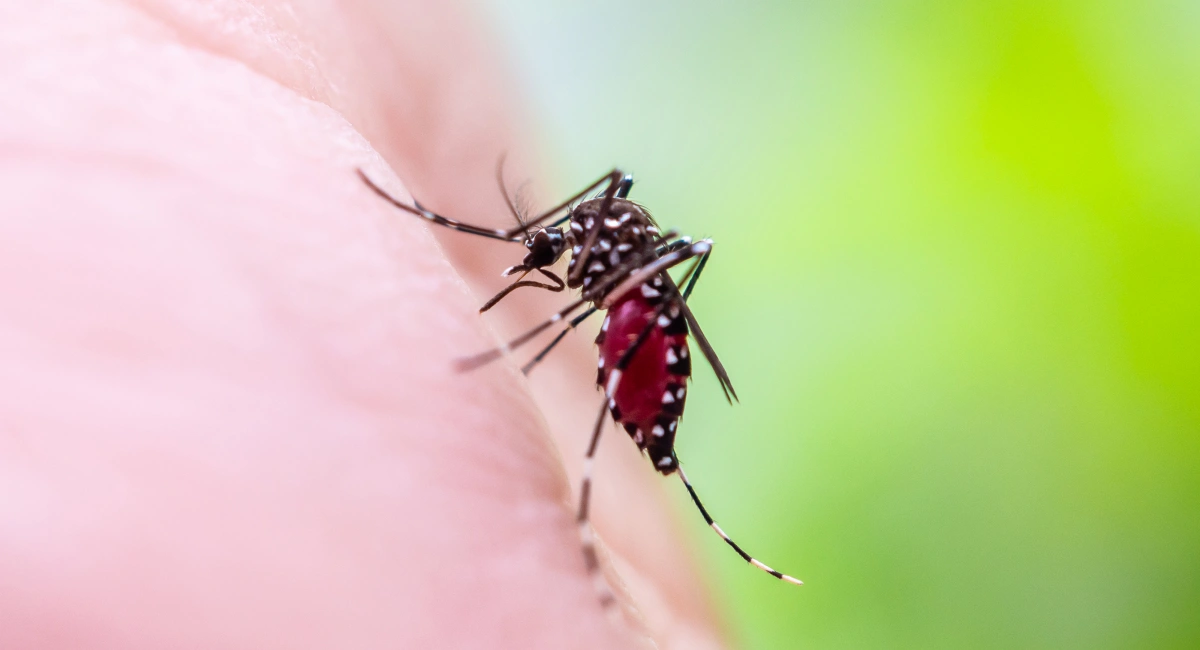
Where is EEE found in the US?
EEE is most commonly found along the Atlantic and Gulf Coast states, as well as parts of the Great Lakes region. The virus thrives in areas with freshwater hardwood swamps, which provide the right habitat for Culiseta melanura mosquitoes. According to StatPearls via the National Library of Medicine, cases have been documented in 20 states, with Massachusetts, Florida, Michigan, and New Hampshire reporting the highest numbers nationwide.
Mosquito season typically runs from May through October, which is when the majority of human cases occur. If you live near wooded or swampy areas in these regions, it's worth being aware of local mosquito activity during these months. Knowing the signs of mosquitoes on your property is a good starting point.
How to reduce your risk of mosquito bites
Reducing your exposure to mosquitoes is a good starting point for protection against mosquito-borne diseases.
Around your home:
- Remove standing water
- Keep grass trimmed and shrubs thinned out
- Clear out leaf litter and yard debris
On your person:
- Use EPA-registered insect repellents when spending time outdoors
- Wear long sleeves and pants during peak mosquito hours (dusk and dawn)
- Make sure window and door screens are intact and free of tears
These steps can help reduce mosquito numbers and protect you from some bites, but addressing the source of mosquitoes with professional mosquito control is a longer-term solution. Our technicians at Western Exterminator can inspect your property, identify breeding sites, and apply targeted treatments to help reduce mosquito populations around your home.
Frequently asked questions
According to the CDC, most people infected with EEEV have no symptoms. Those who do become ill may experience fever, fever, chills, aches, and joint pain. A small number of cases progress to meningitis or encephalitis (inflammation of the brain), which can cause more serious neurological symptoms. If you've been in an area with known EEE activity and feel unwell, consult a healthcare professional.
EEE is rare in humans. The CDC reports an average of 11 human cases per year nationwide. The virus circulates mainly between birds and mosquitoes in swampy habitats, and human infections only occur when bridge mosquito species carry it beyond that cycle.
Horses are known to be susceptible to EEEV, and a vaccine is available for them. Dogs and cats are generally considered low-risk, but mosquitoes can transmit other diseases to pets, including heartworm. Keeping mosquito populations down around your home helps protect the whole household. Talk to your vet about the best prevention options for your pets.
Schedule your free pest inspection today
Get peace of mind knowing your home or business is protected. Our technicians will assess your property and recommend customized solutions.
Book your free pest inspection today
Our local technicians will assess your property and recommend tailored solutions. Fast, friendly, and completely obligation-free.
- Targeted treatments
- Local experts, fast response
- Trusted, trained technicians