© 2026 Rentokil Initial plc and subject to the conditions in the Legal statement
Summer is approaching quickly and as it does, thoughts of warm beaches, soft serve-ice cream, and picnics in the park began to swarm in our minds. Speaking of swarming, our brightly-colored friend the yellowjacket also enjoys the warm weather, especially the late summer months into the fall. Yellowjackets, a type of wasp, are found all over the United States, including dozens of different species. One of the more aggressive species is the western yellowjacket, which tends to be particularly protective of its nest when disturbed.
These intimidating pests are likely to be found in rodent burrows at ground level, but can also make their nests inside house walls and porch ceiling cavities. Removal of these insects is a dangerous task. As previously mentioned, yellowjacket do not handle a home invasion well. If you have a yellowjacket nest near or inside your home, it’s best to leave it to a pest control company.
Attempting to remove the nest yourself can be risky and may not fully solve the problem. Western Exterminator has wasp control technicians who know how to handle yellowjacket nests and can also share expert advice on how to prevent yellowjackets from returning to your property. Contact us today.
Do yellowjackets sting or bite?
Yellowjackets are part of the stinging insect family. This means that instead of having sharp teeth like other pests, they have a sharp stinger that is located in their lower abdomen.
Fun fact: only the female yellowjacket stings because she is the only one who has a stinger. Males do not.
Once the insect attacks, the stinger enters the skin, and venom is released. Although painful, the bite is typically not particularly harmful to the human body. However, if you have never been stung by this type of wasp before, it is important to keep an eye on the area where the yellowjacket has stung you. There is a possibility that you may be allergic to the sting.
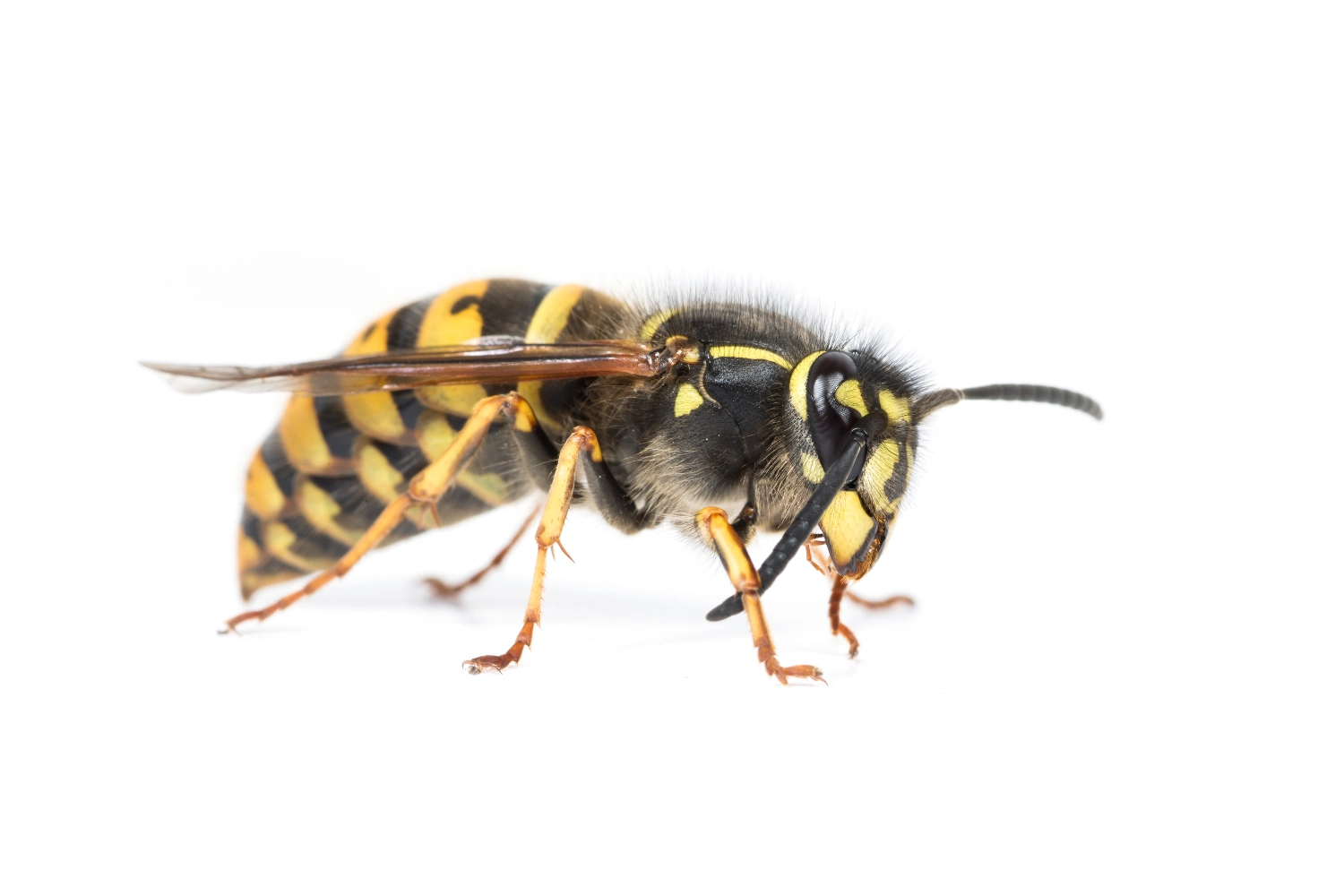
Why do yellowjackets sting?
The main duty of the female wasp is to protect her nest. If she feels threatened in any way, naturally, she will attack. The second reason a wasp female will sting is if you are interfering with her food source. The more we know about yellowjacket behaviors the less we will fear them. Stay calm around them and leave any interactions to the professionals.
Can yellowjackets sting you multiple times?
If you get stung by a yellowjacket, be careful because it could get you again! The yellowjacket stinger is not jagged, so it stays attached after it stings, allowing the insect to sting its victim multiple times in a row. Because the stinger stays attached, yellowjackets don’t die after stinging as honeybees do.
How many yellowjacket stings are dangerous?
Most people can tolerate one or two yellowjacket stings, even though they can be painful. However, multiple stings - especially more than 10 - can be more serious, depending on your age, overall health, and sensitivity to the venom. In rare cases, people may have a stronger reaction or develop symptoms after fewer stings.
Anyone stung several times or who shows signs of an allergic reaction, like swelling, trouble breathing, or dizziness, should seek medical attention right away. If you're unsure how you'll react to a sting, it's always better to be cautious.
What to do once you are stung by a yellowjacket
The main question people usually ask after getting stung is: how long do yellowjacket stings last? Most of the time inflammation and pain from a yellowjacket sting will fade away within a couple of days. You’ll want to wash the stung area with soap and water as quickly as possible to get rid of as much leftover venom as possible. Using a medical disinfectant may also be helpful. Next, put an ice pack on the sting and rest the irritated area. If you notice any signs indicating an allergic reaction to the sting, including nausea, vomiting, or shortness of breath, call a doctor immediately. If you’ve been stung multiple times by one or more yellowjackets, consider seeking medical attention as well.
How to avoid being stung by a yellowjacket
Learning how to avoid yellowjackets can make all the difference during summer outings. These pests are especially active in late summer and fall, so knowing what attracts them and what to avoid can help reduce your chances of being stung.
1. Stay calm
Although the most difficult step, it is crucial to not react with any sudden movements when you see yellowjackets. Movements such as flailing your arms around will irritate the pest and cause it to attack multiple times. Take a deep breath and try to walk away from the area as slowly as possible.
2. Cover any open food or drinks
This tip especially applies to outdoor picnics. Yellowjackets are able to sneakily crawl into an open bag of chips or a can of soda without you even noticing. It also doesn’t hurt to inspect food and drink items before ingestion.
3. Avoid strong, highly sweet smells
This includes intensely scented perfumes, lotions, and shampoos.
4. Avoid bright colors
Refrain from wearing bright colors (especially yellow) and busy floral patterns.
5. Keep clean
Wipe hands, faces and outdoor surfaces to ensure that any food/drink residue isn’t left behind.
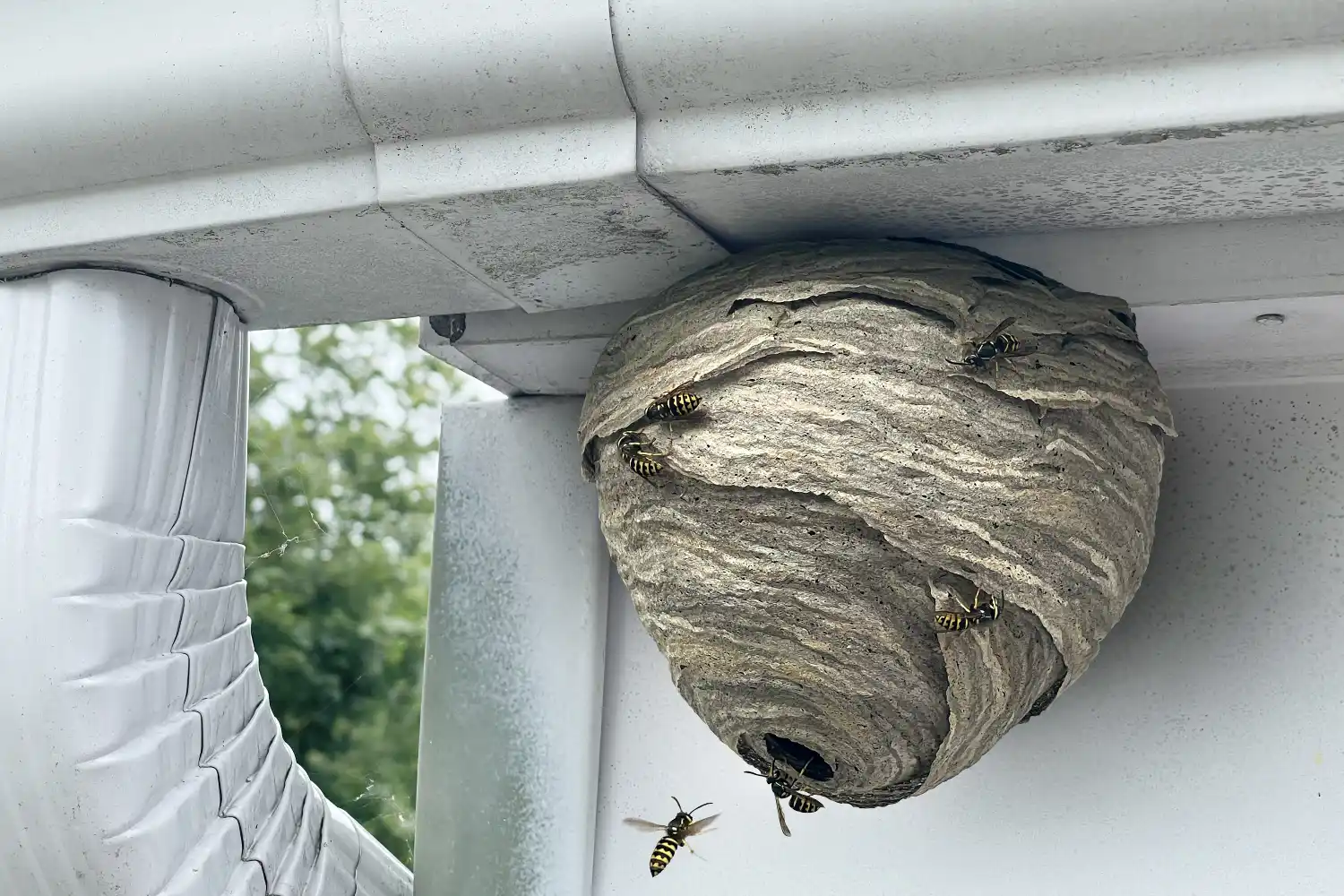
Need help dealing with yellowjackets around your home? Visit our wasp pest services page to learn how we can help manage the issue and keep these stinging pests from coming back.
Schedule a pest inspection today
No, yellowjackets don’t die after stinging. Unlike honey bees, their stingers are smooth, which allows them to sting multiple times without harming themselves.
Yellowjackets often build nests underground, such as in abandoned rodent burrows. However, they can also nest inside wall voids, attic spaces, or under eaves and porch ceilings. These nests can grow quickly and become aggressive when disturbed.
At night, yellowjackets return to their nests and become less active. They don’t fly or forage in the dark, so most of their movement happens during daylight hours. However, it’s still best not to approach a nest at any time of day, especially after dark.
Book your free pest inspection today
Our local technicians will assess your property and recommend tailored solutions. Fast, friendly, and completely obligation-free.
- Targeted treatments applied safely and responsibly
- Local experts, fast response
- Trusted, trained technicians