Temps and termites are on the rise. Schedule your free inspection today.

800-937-8398 Call us for a free quote Contact us

How long do bed bugs live?

How long do bed bugs live? Under the right conditions, a single bed bug can survive for 10 to 12 months. That is a long time for a pest that feeds on human blood and reproduces quickly. Understanding the bed bug life cycle is important if you want to know what you are dealing with and why these pests are so hard to get rid of on your own.

The journey from egg to adult can take as little as 21 days in warm environments with a steady food source, or it can stretch to over four months in cooler conditions. Here is each stage so you know exactly what is happening and what to watch for.


The bed bug life cycle

The bed bug life cycle has three main phases: eggs, nymphs, and adults. Each stage plays a role in how quickly an infestation can grow and how long bed bugs can stick around in your home or business.

Think you’ve got an infestation? Read our dedicated guide for tips about how to get rid of bed bugs.

Bed bug eggs

Stage 1: Bed bug eggs

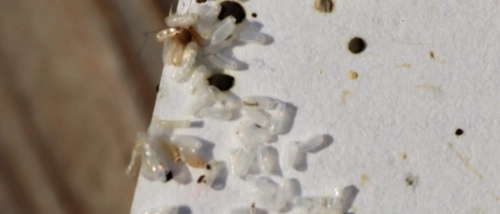
A bed bug's life starts small. Bed bug eggs are roughly 1 mm long, milky white, and shaped like tiny grains of rice. Female bed bugs use a glue-like substance to attach eggs to surfaces, making them tough to dislodge with regular vacuuming.

Females look for dark, hidden spots close to where people sleep or sit. Common locations include:

  • Mattress seams and box springs
  • Bed frames and headboards
  • Cracks in furniture and baseboards
  • Behind wallpaper or picture frames

As an infestation grows, bed bug eggs can show up in less obvious places like electrical outlets, luggage, and upholstered chairs. This is one reason infestations can spread so quickly through hotels, apartments, and multi-unit housing.

Bed bug eggs typically hatch in 6 to 10 days, depending on temperature. Warmer rooms speed things up, while cooler environments can delay hatching. Around day five, you may notice a small dark eye spot forming on the egg, a sign that hatching is close.

Just one. Unlike cockroaches, which lay egg cases containing multiple offspring, each individual bed bug egg produces a single nymph.

A single female can lay between one and five eggs per day and may produce up to 500 eggs in her lifetime. That means even one pregnant bed bug hitchhiking into your home can lead to a serious problem within a few months.

Seeing bed bugs?

Call today for a free inspection

Bed bug adults and nymphs

Stage 2: Bed bug nymphs

Once an egg hatches, the young bed bug, known as a nymph, immediately starts looking for a blood meal. Bed bug nymphs are smaller, paler versions of adults and are nearly transparent at first, which makes them very difficult to spot.

Nymphs go through five molting stages before reaching adulthood. At each stage, they need to feed at least once before they can shed their exoskeleton and grow. With each molt, the nymph gets slightly larger and darker in color.

Under ideal conditions with regular access to blood meals and room temperature around 70 to 80°F, a nymph can pass through all five stages and reach adulthood in roughly five to six weeks. Without food, nymphs can stall at their current stage, and younger nymphs may only survive a week or two without feeding.

If you spot shed exoskeletons around your mattress or furniture, that is a strong indicator that nymphs are actively developing nearby.
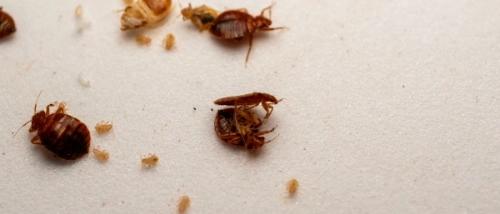
A typical reddish-brown adult bed bug

Stage 3: Bed bug adults

An adult bed bug is about the size of an apple seed, roughly 5 to 7 mm long, with a flat, oval, reddish-brown body. Adults typically feed once a week, but how long can a bed bug live without a meal? The answer may surprise you.

Adult bed bugs can survive months without feeding. In cooler environments, they enter a dormant state and can go as long as a year without a blood meal. This is why vacating a room or property does not guarantee the infestation will die off on its own.

This resilience is one of the biggest reasons bed bug problems require professional attention. Adult females are prolific breeders. Once they begin laying eggs, the cycle starts all over again, and populations can grow rapidly if left unchecked.

Signs you may have a bed bug problem

Knowing the life cycle is helpful, but recognizing the signs of an active infestation is just as important. Watch for:

  • Small reddish-brown stains on sheets or mattresses from crushed bugs
  • Dark spots (fecal matter) on bedding, furniture, or walls
  • Shed skins from nymphs molting through their growth stages
  • A sweet, musty odor in heavily infested areas
  • Itchy bites, often in lines or clusters on exposed skin

If you notice any of these warning signs, it is time to act. Bed bugs are not a problem that improves with time so schedule an inspection with Western Exterminator.

Find your local branch

Enjoy protection from 39 of the most common household pests with our annual residential pest control program, PestFree365+.