Temps and termites are on the rise. Schedule your free inspection today.

800-937-8398 Call us for a free quote Contact us

Five pests that annoy hotel guests and how to prevent them

An encounter with a pest in a hotel can ruin a guest’s stay and result in negative comments on social media spreading a bad reputation for the hotel, seriously affecting business. An infestation of pests can also result in authorities taking legal action to ensure public safety, especially if the kitchens, restaurants and bars are affected.

Pests can enter any class of hotel, restaurant, or bar - some are brought in by the guests themselves  - so it is essential for every hotel to have effective procedures for preventing, monitoring, and controlling pests.

Five of the most common pests that guests encounter in hotels are:


Bed bugs

A close-up of a bed bug, oval and brown

Bed bugs are one of the most common bugs in hotels. They hitchhike on luggage, clothing, and furniture, then spread between adjacent rooms through wall voids and hallway traffic. They hide in seams of the mattress, headboards, baseboards, and furniture.

  • Live bugs, shed skins, or pepper-like spots on sheets and bed frames
  • Sweet, musty odor in heavy infestations
  • Reports of bites on exposed skin (arms, neck, or face)

An effective bed bug prevention strategy requires a system of:

  • Inspection, identification and quantification
  • Implementing control measures
  • Monitoring the effectiveness of controls

The best strategy is to implement suitable measures to prevent an infestation taking hold:

  • Good maintenance practices to remove access to harborage in the building structure and fittings
  • Use of bed bug traps to detect their presence
  • Train staff how to detect signs of bed bugs
  • Include checking for bed bugs in your room cleaning procedures
  • Set up an effective policy for dealing with a bed bug infestation
  • Have a procedure in place for handling bed bug complaints from guests

Our team can advise on the types of pest control in hotels suitable for bed bugs, including targeted heat applications that treat entire rooms without residual chemicals. Western Exterminator’s Entotherm heat treatment is a chemical-free method of controlling bed bugs — and other insects such as cockroaches — through the targeted application of heat. It is applied to a whole room to ensure that structural areas that are difficult to access with traditional chemicals are treated. It is highly effective with one treatment.

Cockroaches

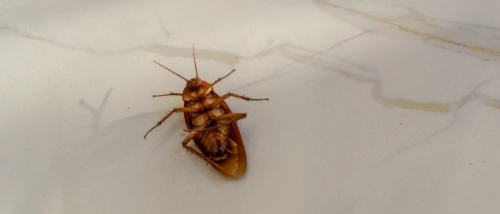
A dead cockroach lies on its back on a marble floor

Cockroaches thrive where food, moisture, and organic matter are available: kitchens, bars, storage rooms, and drains. They hide in cracks and crevices and come out at night. Because they can contaminate surfaces with microorganisms, they pose health risks to guests and staff.

  • Nighttime sightings near dishwashers, sinks, or floor drains
  • Small, dark droppings and egg cases
  • A musty odor in heavy infestations

Cockroaches can feed on almost anything organic, including cardboard, and on tiny amounts of foods and liquids, therefore good sanitation is the key to prevention.

  • Fix leaks and dry out problem areas
  • Clean under and behind equipment; remove food residues
  • Store food in sealed containers; remove food waste daily
  • Seal gaps around pipes and wall–floor joints to reduce entry points
  • Check deliveries to prevent hitchhiking pests

Our technicians can identify the species and recommend the targeted treatments tailored to your operation, from exclusion and sanitation upgrades to targeted treatments.

Fleas

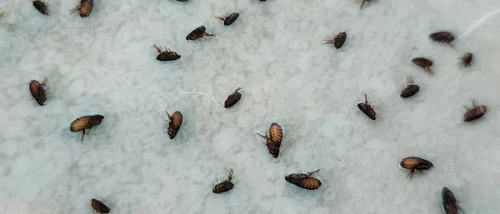
A group of dead fleas lie overturned on their backs

Fleas are a major annoyance to hotel guests because of their irritating bites. Also, unlike bed bugs, they are a potential health risk as they can give their hosts a number of diseases from bacteria, viruses and parasites that they carry.

Hotel guests are a major source of fleas, as are pet dogs and cats. Pest animals can also bring fleas into hotels, including birds and rats nesting on or in the building. Fleas hide in fibers and seams of carpets, bedding, and upholstered furniture, and develop through egg, larva, pupa, and adult stages, which makes control more complex.

  • Itchy bites around ankles and lower legs
  • Small dark specks on bedding or pet areas
  • Adult fleas are seen jumping when disturbed

  • Vacuum high-risk areas thoroughly and dispose of the bag in a sealed trash bag
  • Launder linens on a hot cycle; focus on pet-friendly guest rooms
  • Identify the likely source (pets, birds, or rodents) and address the nest or harborage

Our technicians can inspect, target hotspots, and coordinate follow-ups that align with your cleaning schedules, helping protect guests, staff, and brand reputation.

Flies

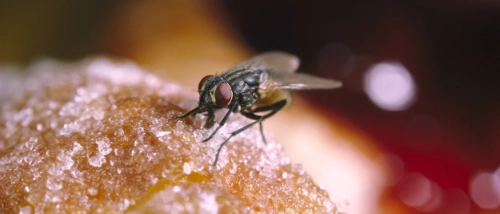
A house fly lands on sugary cake

House flies, fruit flies, and other fly species are frequent pest problems around kitchens, bars, loading docks, and compactors. These flies breed in garbage, drains, and spilled liquids, then move to food and prep areas. Flies can transfer microbes picked up from unsanitary sites, which is a concern for hospitality businesses.

  • Activity around drains, soda guns, and recycling bins
  • Larval sites in wet organic matter or residues
  • Complaints of persistent flies near waste areas

The most important way to control flies is by using standard food hygiene practices to deny them access to food sources, including food waste. These include:

  • Deep-clean drains; remove film and bio-buildup with mechanical methods
  • Keep doors closed, install screens, and maintain door sweeps to limit entry points
  • Manage food waste with lined, closed containers; schedule more frequent pickups during peak seasons
  • Place monitors in back-of-house areas to track pest activity.

Our fly control focuses on the full life cycle of these pests and targets the root causes of infestations, and not just the symptoms.

Rodents 

A mouse stands outside

Rats and mice are attracted to hotels by the food supplies in kitchens, restaurants and waste storage areas. Populations can quickly build up if there are poor food and waste handling practices.

It is not just guests’ reactions to rodents that can damage a hotel business; rodents can contaminate food and surfaces they run along with a range of diseases, including Salmonella, E. coli, and Leptospirosis. They can also cause damage to packaging and wiring, and alarm hotel guests.

  • Droppings along walls, behind equipment, and in storage
  • Grease marks and gnawing on doors or baseboards
  • Scratching sounds from wall voids or ceilings

  • Close entry points with durable materials; maintain door sweeps, screens, and seals
  • Store ingredients in rodent-resistant containers; maintain strict waste handling
  • Reduce clutter to limit shelter; keep exterior vegetation trimmed away from the building
  • Use multi-point monitoring (interior traps and exterior stations) to detect pest infestations early

Guests seeing rodents can cause significant reputational damage. Help protect your brand, customers, and staff with our expert pest control for hospitality.

What to do if you have an infestation

If you suspect a pest issue, respond immediately to contain the infested area and prevent it from spreading. Next, contact your commercial pest control professionals right away.

What to do first:

  • Take the affected room or area out of service
  • Record the pest sighting, including time, location, and photos
  • Secure or cover food and utensils in kitchens or bars
  • Bag linens and soft furnishings from the room and keep them sealed until treated

Contact us for an inspection and professional treatment

How to protect your hotel from pests

A strong prevention plan helps minimize pest risks and supports health and safety standards. Prevention should be ongoing and built into daily operations.

Prevention checklist:

  • Schedule routine inspections and maintenance
  • Keep exterior landscaping tidy and waste areas clean
  • Repair cracks, seal entry points, and maintain door sweeps
  • Implement staff training for pest awareness and reporting; use monitors and logs to track any pest activity

Our technicians can design a pest management plan that fits your property’s size, layout, and guest capacity.

Keep unwanted guests out with Western Exterminator

Western Exterminator has supported hospitality businesses for decades with discreet pest control services. Whether you manage a single boutique location or multiple sites, we can help protect your guests and reputation with expert pest control.

Why choose us:

  • Local, expert technicians familiar with hospitality environments
  • Deep understanding of the different types of pest control in hotels
  • Customized treatments and preventive strategies
  • Minimal disruption to staff and guests
  • Clear reports and recommendations after every visit

Get in touch to schedule an inspection or discuss a pest prevention program tailored to your needs. Together, we’ll help your property stay protected from the common bugs in hotels.

Find your local branch