© 2026 Rentokil Initial plc and subject to the conditions in the Legal statement
Holes in your yard can be alarming – especially when they seem to appear overnight. In many cases, the cause is minor and short-lived. In others, the holes are a sign of an active pest issue that can spread or lead to turf damage.
The challenge is that “small round holes” can describe several different problems. Some are made by insects. Some are made by animals hunting insects. And some point to rodents tunneling under the lawn.
The key is paying attention to a few simple clues so you can respond the right way.
Why small yard holes show up in the first place
Most yard holes come down to one of three things: a pest using the soil as a nest or burrow, a pest emerging from the ground at a certain time of year, or an animal digging because it smells food below the surface. Moisture, irrigation schedules, and the amount of thatch or debris in the yard can all make the lawn more attractive.
If you’ve had recent rain, increased watering, or a sudden warm spell, that timing can be a big hint.
Quick clues for identifying the holes in the yard
Start with how the hole looks and where it’s located. Clean, round openings usually indicate a burrow or emergence hole. Messy divots and torn turf often point to digging. Holes clustered in a sunny patch of thin grass can suggest nesting activity, while holes along landscape edges may suggest rodents moving under cover.
Even without catching the culprit in the act, these patterns help you avoid guessing and treating the wrong issue.
Insects that can leave small, round holes in your yard
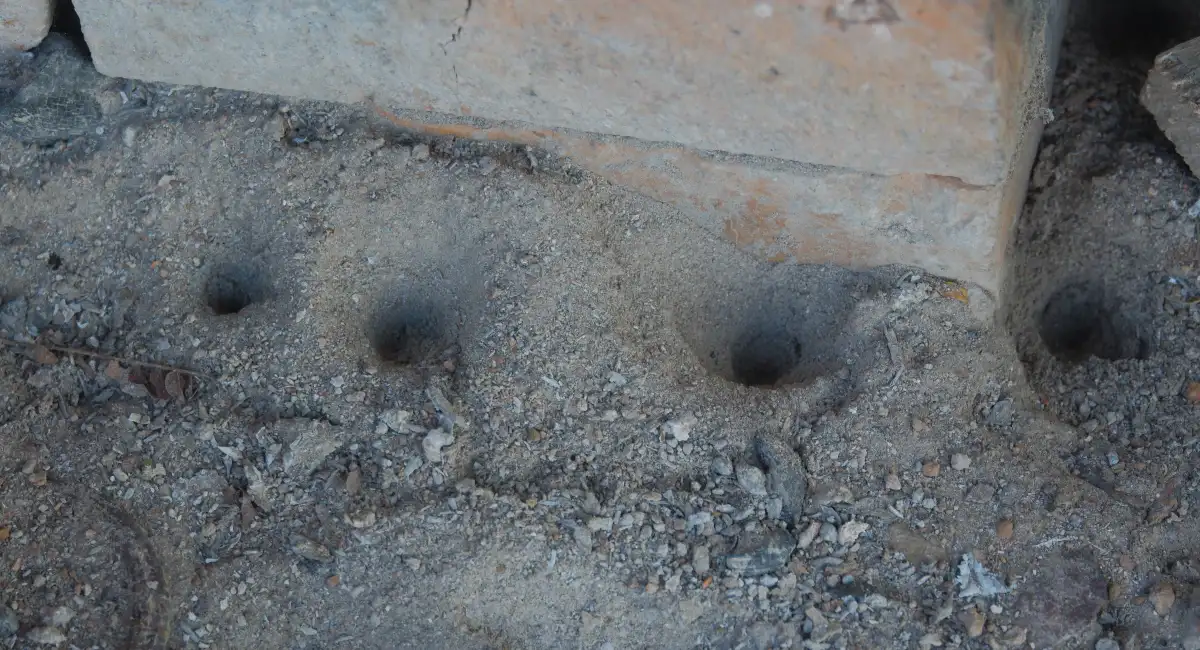
Not all lawn holes are caused by digging animals. Some insects use soil as a place to nest, lay eggs, or emerge during seasonal changes.
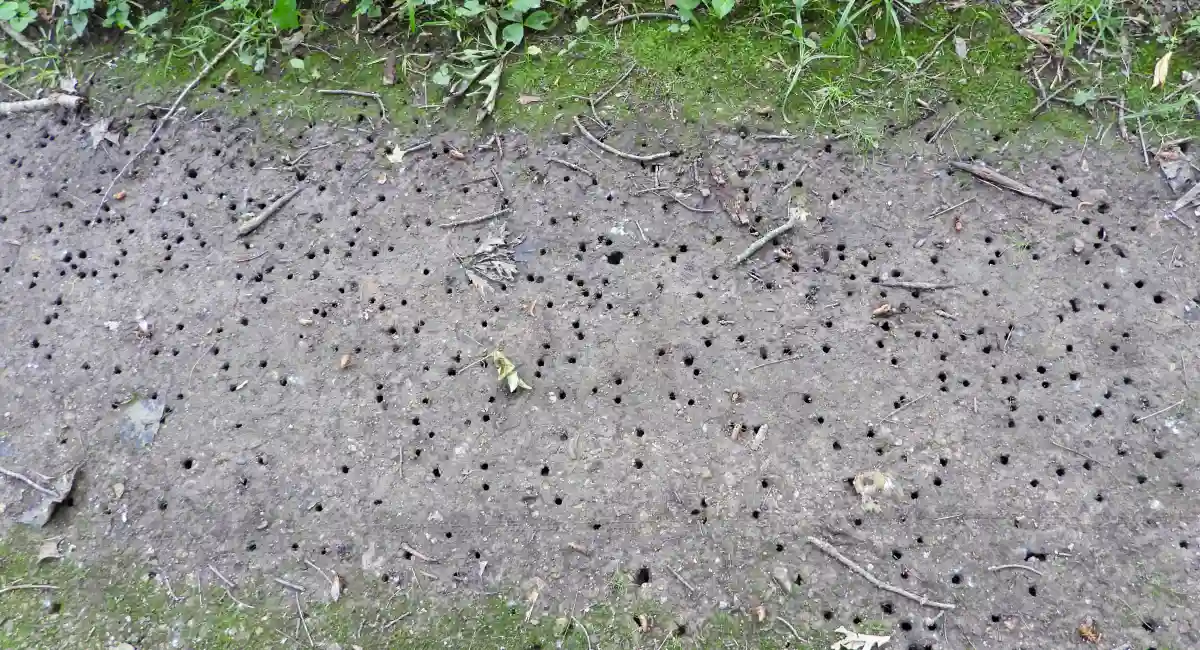
These holes are often small, clean-edged, and easy to miss until you start seeing several in the same area.
Ground-nesting bees
Some native bees nest in the ground, especially in dry, well-drained soil. Their entrance holes are typically small and neat, and you may notice occasional bee traffic during the warmest part of the day.
These bees are often more interested in minding their own business than interacting with people, but they can become a concern if nests are close to high-traffic areas.
Ground-nesting wasps
Certain wasps dig into soil to build nests or create burrows for their young. The holes can look similar to bee entrances, but wasp activity may feel more intense, especially if you notice repeated flight paths or insects hovering over the same spot.
Because wasps can sting and may defend nesting areas, it’s important to be cautious before mowing or working near active holes.
Cicada emergence holes
In some areas, cicadas spend years underground before emerging. When they come out, they can leave small holes behind. These holes are usually clean and scattered rather than concentrated into a single tight cluster.
If cicadas are active in your area, you may also notice shed skins on trees, fences, or exterior walls.
When the holes are from digging, not nesting
This is one of the most common misunderstandings homeowners have. The holes you see may not be “homes” for bugs at all. They may be the result of an animal looking for insects below the surface.
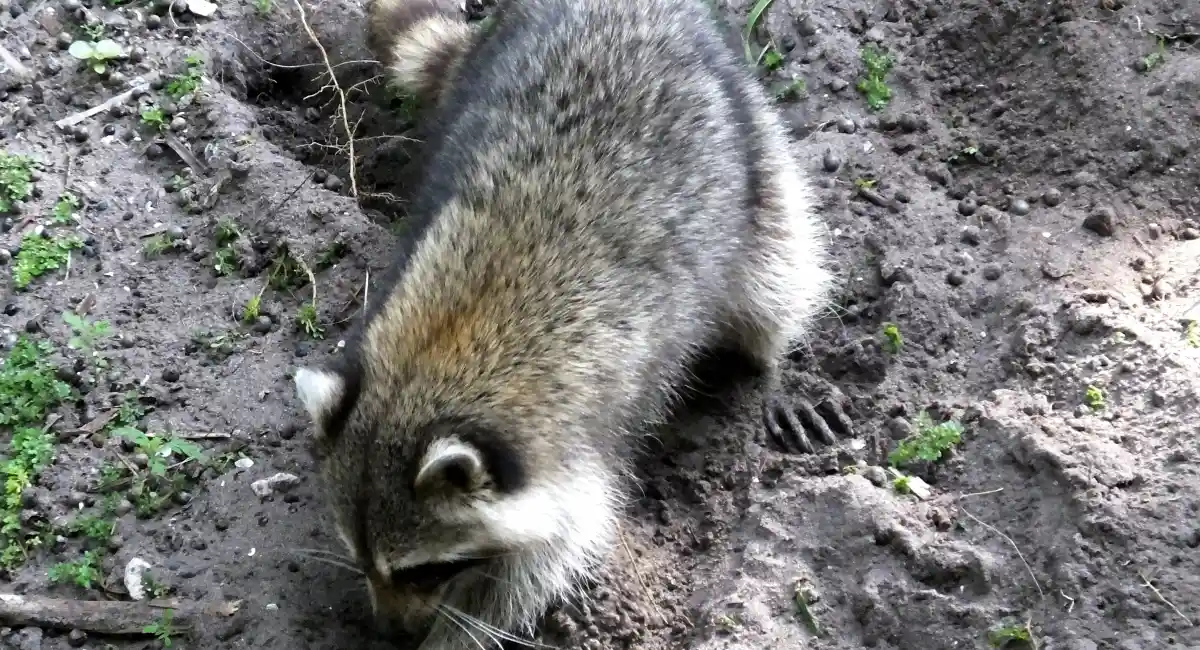
Skunks and raccoons (looking for grubs)
Skunks and raccoons can pepper a lawn with holes as they search for grubs and other soil insects. The damage usually looks rougher than an insect burrow. Instead of one clean entrance, you’ll often see shallow pits and torn turf, sometimes spread across a surprisingly large area.
Birds feeding after rain or watering
Birds may probe the lawn when the ground is soft, and insects are closer to the surface. Their holes tend to be smaller and more scattered, and the grass may look “poked” rather than dug out.
When small holes point to rodent
Not every yard hole is insect-related. If you’re seeing repeated openings near shrubs, mulch beds, or along fences, rodents may be moving through the yard under cover.
Moles and voles
Voles can create small openings and travel paths through grass. You may notice narrow surface runways, thinning turf, or activity concentrated near landscape edges.
Moles are a different matter. They’re larger than voles, and mainly tunnel below the surface in search of insects and worms, so the bigger clue is often raised ridges or small mounds rather than clean, open holes.
Gophers
Gophers typically leave more obvious mounding than most “small hole” complaints, but early activity can still show up as subtle openings and uneven soil. If you’re also seeing raised ridges in the lawn, that can point to tunneling.
What to do if you spot holes in your yard
If the holes look clean and you’re seeing flying insect activity, it’s best to avoid disturbing the area until you know whether you’re dealing with bees or wasps.
If the lawn looks torn or pitted, focus on what’s attracting animals – often grubs or other insects in the soil. If you suspect rodents, watch for repeat patterns along edges and look for runways or mounding that suggests tunneling.
Most importantly, avoid “blanket treating” holes with store-bought products before you’re confident about the cause. The wrong treatment can be ineffective, and in some cases, it can make the problem harder to control.
When it’s time to call a professional
If the number of holes is increasing, if the lawn is being damaged, or if you’re seeing stinging insect activity near areas where people and pets walk, it’s time to get professional help. We can identify and remove any pests that are causing you concern. Give us a call on 800-937-8398 or fill out our online contact form.
Voles and moles are often confused, but they are very different pests. Although both can damage outdoor gardens, they differ in classification, appearance, diet, and habitat.
Schedule your free pest inspection today
Get peace of mind knowing your home or business is protected. Our technicians will assess your property and recommend customized solutions.
Book your free pest inspection today
Our local technicians will assess your property and recommend tailored solutions. Fast, friendly, and completely obligation-free.
- Targeted treatments applied safely and responsibly
- Local experts, fast response
- Trusted, trained technicians