Temps and termites are on the rise. Schedule your free inspection today.

800-937-8398 Call us for a free quote Contact us

How to get rid of bats

Bats may be great for the ecosystem, but that doesn't mean you want them setting up shop in your home. These pests can often be dangerous to humans. Their droppings can carry fungal spores that affect air quality, and although rare, bats can carry rabies, posing a serious health concern, especially if you have kids or pets at home.

If you do suspect a bat infestation and are looking for advice on how to get rid of bats in the attic, you're not alone. Bat issues are more common than you might think. At Western Exterminator, we know how to safely remove bats following strict wildlife rules and are experts in exclusion and prevention techniques to help protect your property.

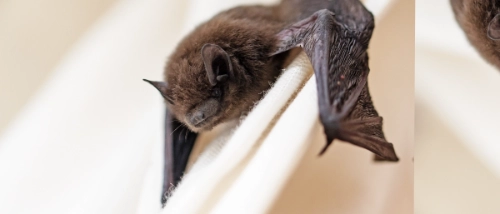
A close up of a microbat (common pipistrell)

Why are there bats in my property?

Bats don’t end up inside by accident. They’re usually looking for a quiet, warm space to roost; someplace dark and undisturbed, like your attic. Small openings around vents, eaves, or cracked siding make it easy for them to sneak in. You might be surprised how little space they need. Some species can fit through gaps no wider than ⅜”.

They’re also drawn to food. If your yard has plenty of insects or fruit trees, this can attract bat colonies to settle in nearby. Understanding what attracts them is the first step toward smart bat exclusion and prevention. 

Recognising the signs of bats in your home

You don’t always see bats, but they can leave some telltale signs and smells. More often than not, the first sign of bats in your attic may be hearing sounds at night. If you hear fluttering or scratching in the attic or walls after dark, it could be bats.

Another clear sign is bat droppings (also called guano). Guano collects near roosting spots and entry points and has a strong, unpleasant odor. You may also spot greasy stains around small openings where bats come and go. These are clues they’ve made your home theirs, and it's time to figure out how to get rid of bats before the issue gets worse.

Get rid of bats legally

Bats are protected by law in the U.S., so it’s crucial that you work with a trained bat control technician to help remove them. That’s where we come in. We are experts in bat removal and follow all wildlife laws. Our team works with care to help you deal with bats in a humane and effective way. Explore our wildlife control services in more detail today.

Our process starts with a bat inspection, where your technician checks for signs of activity and entry points. Based on what we find, your plan may include bat exclusion followed by preventive steps to help keep them out for good.

Bat exclusion

Exclusion is all about getting the bats out…and keeping them out. One option is funneling. It’s a hands-off method that doesn’t harm the bats or trap any babies inside.

After funneling, we move to exclusion. This step involves sealing off all access points using permanent materials like caulk, copper gauze, or screens.

Once the colony has left, we’ll seal up potential access points to prevent future infestations. Visit our bat removal page to learn more.

Bat exclusion

Even after exclusion, your property might still attract bats if the conditions are right. That’s why prevention matters just as much.

Once the bats are out, we look for ways to make your home less appealing to future colonies. This can include sealing off small gaps, fixing vents, improving airflow, or trimming trees that draw insects, their main food source. These simple changes can go a long way in avoiding another infestation.

Want to dig deeper? Visit ourbat prevention page.

Need help removing bats from your property?

Whether you’re dealing with a bat in the attic or need to know how to get a bat out of your house, we’re here to help. Our bat control experts can create a humane plan that’s built around your property.

Need help now? Schedule a free inspection with your local technician.

Frequently asked questions

It’s best to leave bat removal to the professionals. Most bat species are protected by law, which means there are strict rules about when and how they can be removed. A trained technician will know how to handle the situation legally, without harming the bats or your home.

Bats are typically removed using humane exclusion methods that allow them to leave but not return. This involves identifying entry points, installing one-way devices, and sealing up gaps once the bats are gone. Cleanup may also be needed if droppings are present. Need help with bats? Western Exterminator can assist.

Some of the first signs include hearing fluttering or scratching sounds at night, usually in the attic or behind walls. You might also notice dark stains near entry points, piles of droppings (called guano), or a strong, musty smell.

Yes, in most areas bats are protected, especially during maternity season when young bats can't fly yet. That’s why timing and removal methods matter. Working with a bat control technician ensures you stay compliant with all wildlife laws.

They can. While bats don’t chew like rodents, their droppings and urine can build up and damage insulation, drywall, and other surfaces. Over time, that buildup can lead to strong odors, staining, and even structural issues if not handled properly.

Find your local branch

Enjoy pest-free living all year long with PestFree365+. See how our home pest control plan protects you and your family from 39 common pests.