Temps and termites are on the rise. Schedule your free inspection today.

800-937-8398 Call us for a free quote Contact us

Are bats dangerous to humans?

There’s a lot of confusion and fear about the dangers of bats and how they interact with people. While they play an important role in controlling insects and supporting ecosystems, they can also bring health concerns, especially when they end up inside homes. It’s natural to feel uneasy if you spot one in your attic or notice signs nearby.

So, are bats harmful to humans? It depends. Some fears about bats are rooted in real risks, like disease transmission. Others are based on common myths. Knowing the difference can help you decide what to do next.

Bats and the risk of rabies

While not all bats carry rabies, only about 1% are known to be infected with rabies or related viruses. Still, in the U.S., most rabies-related deaths in people have been linked to contact with rabid bats.

Rabies is a virus that affects the central nervous system and can spread through bites or when saliva from an infected bat comes into contact with mucous membranes or broken skin. According to the CDC, bats are the most reported animals with rabies in the United States. 

Because bat bites can be very small, it’s not always clear if exposure occurred. That’s why you should seek medical advice immediately if you suspect contact with a bat.

Other disease risks from bats

While rabies is the most familiar concern, bats can also carry other viruses that, in some cases, have been linked to human illnesses.

Lyssavirus

Lyssaviruses are members of the same family as the rabies virus. They affect the nervous system and are mainly transmitted through bat bites.

Histoplasmosis

Histoplasmosis is a lung infection caused by breathing in spores from a fungus that can grow in soil mixed with bat droppings. 

How likely is a bat to transfer a disease to humans?

Most bats want nothing to do with people and will fly away if given the chance, making the risk of encountering a bat pretty low. 

Still, the small chance of exposure means it’s important to act with care if you find a bat in your home or on your property. Keep a safe distance, and contact your local Western Exterminator bat removal technician. We’re trained to handle bats and other wildlife pests efficiently.


What to do after a bat bite or exposure

If you're bitten or scratched by a bat, or even if you suspect you’ve been in contact with a bat, seek medical attention immediately. Bats have small teeth, and bites may not be visible. According to the CDC, these situations are considered possible rabies exposures, even if you don’t feel hurt.

Risks of bat droppings (guano)

Guano can pose a health risk because it may carry the fungus that causes histoplasmosis. If you spot droppings in your attic or anywhere on your property, it’s best to call a professional for proper cleanup. Our technicians are trained to clean up guano, as well as get rid of bats and manage other wildlife issues.

See how Western Exterminator controls different types of wildlife

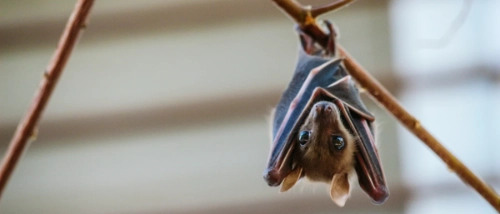
Close up of a bat hanging on a branch

Mythbusting bats

There are many myths about bats. One of the biggest is that they attack humans. In reality, bats are shy creatures. They eat insects, many of them pests, and play an important role in natural ecosystems. When they aren’t infesting our homes, bats are beneficial wildlife.

Here are a few more common myths about bats. Click on each myth to see the truth behind it:

Not true.  Bats avoid humans whenever possible and only bite if they feel trapped or threatened.

True: Only a small percentage of bats are infected. Still, contact should always be taken seriously.

True: Bats have excellent navigation skills and won’t deliberately fly into people.

True: Vampire bats are found in Central and South America and mostly feed on livestock, not humans.

True: Bats can see, and they also use echolocation to navigate in the dark.

How to avoid a bat encounter

While not all bats are harmful, it’s still important to keep them out of your home. Even a single bat inside can lead to health concerns or property damage if left unaddressed. The good news is, there are simple steps you can take to help prevent a bat encounter in the first place. 

This starts by inspecting your home’s exterior for any gaps, cracks, or open vents, especially near the roofline or attic. Use caulk or screens to seal up these spots. Avoid leaving windows or doors open at night without screens, as bats may enter looking for shelter or food.

If you spend time outdoors after dark, especially near wooded areas or water, consider wearing a hat or using a flashlight to make yourself less of a target. 

It’s important you never touch a bat, even if it seems injured or slow. Don’t put your health at risk; call your local bat control service if you suspect you have an infestation.
Keep bats at bay with Western Exterminator

If you’ve seen bats around your home or worry they may be inside, we can help. Our bat control technicians know how to inspect for signs of bats, seal up entry points, and guide you through humane removal options. 

Suspect you have bats? Don’t take a chance. Click the button below to schedule a free bat inspection with us.

Frequently asked questions

Not typically. However, if a bat gets into your bedroom at night, there’s a chance it may have come into contact with you without you realizing it. In those cases, contact a medical professional immediately.

Only a small percentage of bats carry rabies, but because bites can be hard to detect, even minor contact should be taken seriously.

Seek medical attention right away, even if the bite or scratch is small or not visible. A doctor can help determine whether post-exposure rabies treatment is needed.

Yes, especially in large amounts. Cleanup should be done by professionals using proper protection.

Find your local branch

Enjoy pest-free living all year long with PestFree365+. See how our home pest control plan protects you and your family from 39 common pests.