Temps and termites are on the rise. Schedule your free inspection today.

800-937-8398 Call us for a free quote Contact us

Fire ant identification

Fire ants can be small, but their impact on homes and yards can be big. Knowing how to identify these pests is the first step toward protecting your property. Read on to learn how to recognize them, where they live, and what you can do if they’ve moved in.

What are fire ants?

Fire ants are stinging ants known for their reddish-brown color and painful bite. While there are several species of native fire ants in the western US states, the main species of concern is the invasive red imported fire ant (Solenopsis invicta), often shortened to RIFA. They are known for their painful stings, and ecological impact, and can cause significant economic harm to agriculture, livestock and infrastructure. They form large colonies in soil, lawns, fields, and other open spaces, and can become aggressive when disturbed. Most infestations start outdoors but can spread near foundations, driveways, and electrical units.

 Why fire ants are a common pest

Fire ants thrive in warm climates and can quickly build large populations as they lack natural predators. Once a colony is established, thousands of workers forage for food and defend their territory. Because they can sting in groups, they’re considered both a nuisance and a health concern for people and animals.

Close-up of a group of red imported fire ants

Physical characteristics

Adult fire imported fire ants are easily confused for other ants, so an expert opinion is always helpful. Here are some key features:

  • A copper-brown body with a darker abdomen
  • Elbowed antennae and visible mandibles (jaws) used for gripping
  • Vary in size, and colonies include several types of ants at different life stages — from larvae to adult workers and queens.

Fire ant size and how it varies

Fire ant worker size varies between about one-eighth and one-quarter of an inch in length. Queens can be up to five-eighths of an inch, making them noticeably larger than workers. Size differences help identify colony members and their roles; smaller ants gather food, while larger ones defend and care for the young.

Behavior and aggression levels

Fire ants are known for their aggressive behavior. When their mound is disturbed, they swarm rapidly and sting repeatedly. Their stings cause burning sensations and, in some cases, allergic reactions. They are known for forming living rafts on floodwaters and invading electrical equipment. Due to their persistence, managing a fire ant infestation without professional assistance can be challenging.

Fire ant habitat

Fire ants prefer sunny, open areas with moist soil, like lawns, parks, fields, and farmland. They are often found near building foundations, and may enter properties, often being found near or inside electrical equipment.

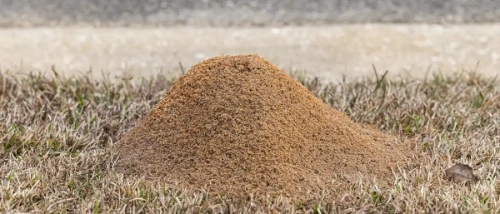
A fire ant mound in a yard.

Areas in the U.S. where fire ants thrive

In the U.S., red imported fire ant habitat spans much of the southern states, including Texas, Florida, Georgia, and parts of California. They’re most active during warm seasons, especially after rainfall, when colonies expand and new fire ant mounds appear. These dome-shaped mounds can reach over a foot tall and indicate a growing population nearby.

Fire ant life cycle

The fire ant life cycle helps explain how colonies grow so fast. Colonies can have multiple queens, increasing the rate of reproduction. Queens can lay hundreds of eggs per day. As with other ant species, the eggs develop into larvae, then pupae, and finally adult ants ready to take on different roles within the nest.

Lifespan and seasonal behavior patterns

Queens can live for several years, while workers typically survive a few months. Colonies stay active year-round in warm regions, though activity slows during cooler months. As temperatures rise, ants forage more aggressively, expanding the colony’s reach.

Professional fire ant control and prevention

Because fire ants multiply rapidly, early identification and professional treatment are crucial to controlling their population. At Western Exterminator, our technicians are trained to locate and treat nests effectively. We help to get rid of ants while preventing future problems. Find out more about our ant removal services or get practical advice on how to keep ants away from your property.

Frequently asked questions

Yes. Fire ants can sting multiple times, injecting venom that causes a burning sensation and itching. Pets may also experience discomfort if stung. Seek medical attention if any worrying symptoms appear. Head to our blog to learn more about fire ant bites.

Queens lay eggs deep within the nest, protected from weather and predators. A single queen can lay hundreds of eggs per day, which develop into workers that expand the colony.

Fire ants are drawn to warm soil, moisture, and food sources such as grease, meat, and sugary spills. They can also be drawn to electrical fields. Keeping outdoor areas clean and sealing cracks around your home can reduce the chance of infestation.

Find your local branch

Enjoy pest-free living all year long with PestFree365+. See how our home pest control plan protects you and your family from 39 common pests.