Temps and termites are on the rise. Schedule your free inspection today.

800-937-8398 Call us for a free quote Contact us

Crazy ant identification guide

If you’ve spotted fast-moving ants darting in every direction, you may be dealing with crazy ants. These tiny insects get their name from their frantic movement and unpredictable trails. In this crazy ant identification guide, we’ll show you how to spot these unpredictable ants, understand their habits, know when it’s time to call for help, and many other crazy ant facts. We’ll also explain the types of damage crazy ants can cause, from problems with electrical equipment to their impact on local ecosystems and agricultural areas.

Crazy ant species and origin

Crazy ants aren’t native to the United States. They’re an invasive species that originated in tropical regions of Africa or Asia. Over time, they spread through global shipping and trade and have adapted well to warm, coastal, and urban environments. Here are two of the main species of concern in the western United States and Hawaii.

Longhorned crazy ant (Paratrechina longicornis) - This is the most widespread crazy ant species in the western U.S. It’s found in California and Arizona. Longhorned crazy ants are known for their long antennae, fast movement, and ability to nest indoors near moisture and electrical equipment.

Yellow Crazy Ant (Anoplolepis gracilipes) - The yellow crazy ant is not found on the U.S. mainland but has been found in parts of the Pacific, including Hawaii. This species is known for forming massive colonies that can disrupt local ecosystems by outcompeting native insects and wildlife.

Why they’re called crazy ants

Crazy ants earned their nickname from their erratic, zigzag movements. Unlike most ant species that travel in straight lines, crazy ants appear to move without direction, constantly shifting and changing course. This unusual movement helps them avoid predators and find food sources quickly.

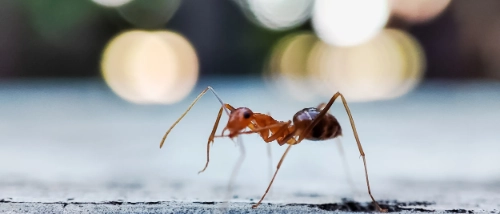
A crazy ant on the ground

Physical characteristics

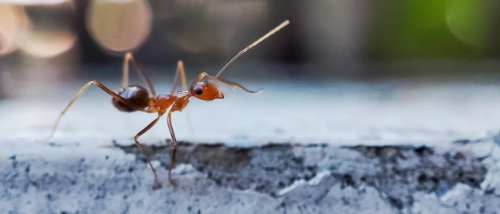
  • Color:  Longhorned crazy ants are generally reddish-brown to dark brown, while yellow crazy ants are more yellow to orangish brown.
  • Size: About 1/8 inch long, similar to other small household ants.
  • Body: Slender with long legs and antennae, giving them a spindly appearance.
  • Texture: Covered in fine hairs that are visible under magnification.

Longhorned crazy ants may look similar to Argentine or odorous house ants, but their chaotic movement and slightly longer legs make them stand out.

Find out more interesting facts about ants.

Behavior and movement patterns

Crazy ants move quickly and unpredictably, often changing direction without warning. They don’t follow pheromone trails as neatly as other ants, which makes them harder to track and treat.

They also prefer nesting near moisture and electrical systems, particularly in areas with electrical equipment such as air conditioning units or circuit boxes. This unusual habit can cause damage if large colonies form.

Habitat and nesting habits

Crazy ants build nests in a wide range of locations. Outdoors, they thrive in soil, near foundations, or inside tree cavities. Indoors, they seek out warm, protected areas, especially behind walls, in appliances, or under floors.

Because their colonies can contain multiple queens, populations grow rapidly and move easily between indoor and outdoor spaces. This ability makes professional treatment the most effective way to manage them in the long term.

A close-up of a yellow crazy ant

Diet and feeding behavior

Crazy ants have a flexible diet and are known to eat almost anything. Their food sources include insects, seeds, fruit, and even household scraps. They’re drawn to sugary substances like nectar and syrup, which makes kitchens and pantries a frequent target.

They also forage day and night, meaning infestations can spread quickly if left unchecked. Eliminating available food and sealing entry points can help reduce their activity; however, control typically requires professional assistance.

Do crazy ants bite?

Crazy ants do bite, but their bite is mild compared to fire ants or carpenter ants. While they can pinch the skin, they don’t sting or inject venom. Most people describe it as a quick, irritating nip rather than a painful bite.

Professional crazy ant control and prevention

DIY efforts rarely solve a crazy ant infestation. Their large colonies, multiple nesting sites, and erratic foraging make them particularly challenging to treat. At Western Exterminator, we help to identify, treat, and prevent future infestations through:

  • Comprehensive inspections to locate all nesting sites.
  • Targeted treatments tailored to your property and ant problem.
  • Ongoing monitoring and prevention to stop ants from returning.

We focus on solutions that protect your home or business while minimizing disruption to your daily activities. Contact Western Exterminator for professional ant pest control.
Frequently asked questions

Crazy ants aren’t directly dangerous to humans, but they can cause a range of problems when populations grow. Large colonies may invade electrical equipment, potentially leading to short circuits, system failures, or costly repairs.

Outdoors, crazy ants can also create agricultural risks. They’re known to protect plant-damaging insects, such as aphids, in exchange for sugary secretions. This behavior can increase pest pressure on crops, making infestations harder to manage over time.
Because their colonies spread quickly, early control helps limit both property damage and broader environmental impact.

The tawny crazy ant is most active in the southeastern United States. While the crazy ants most commonly found in the western United States are the longhorned crazy ant. The yellow crazy ant, widespread in Asia, can be found in Hawaii.

Crazy ants are drawn to electrical equipment and wiring, moisture, warmth, and readily available food. Leaky pipes, pet food, and sweet residue in kitchens can all attract them indoors.

Find your local branch

Enjoy pest-free living all year long with PestFree365+. See how our home pest control plan protects you and your family from 39 common pests.