© 2026 Rentokil Initial plc and subject to the conditions in the Legal statement
Western Answers
I found a papery nest near my home. How do I know if it’s a hornet or a wasp nest?
Both wasps and hornets can deliver painful stings, but hornets are usually the more feared of the two. With stinging insects, it’s important to know what you’re dealing with, as this will inform how best to deal with the situation.
Wasp nests
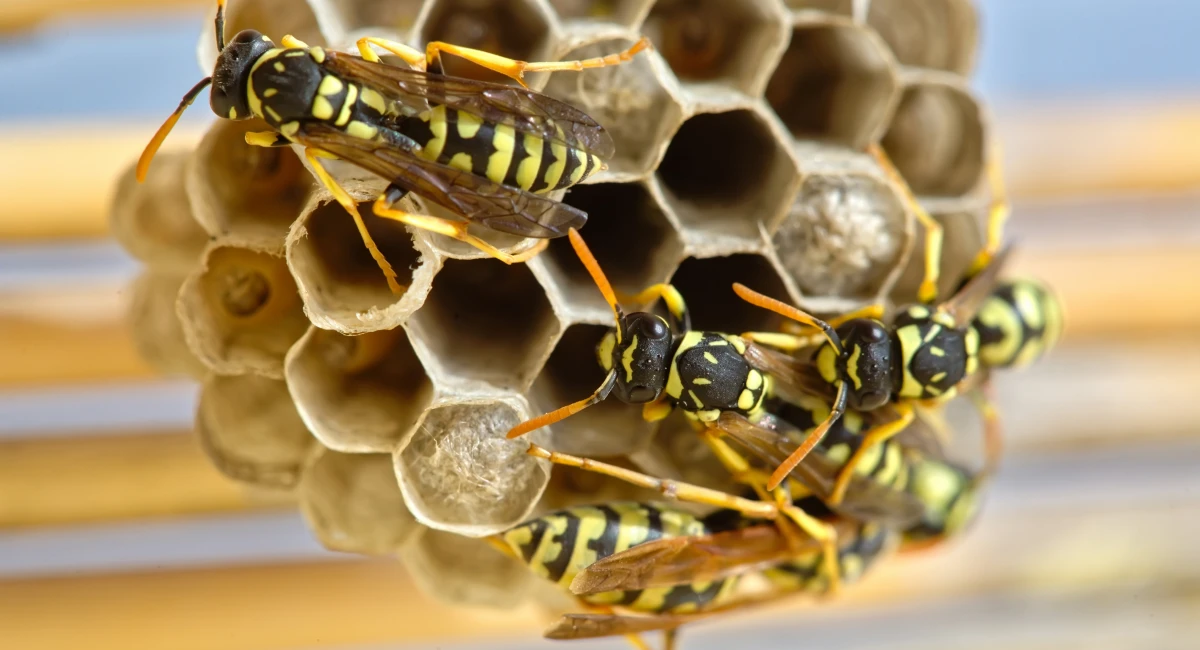
Wasps build small, umbrella-shaped combs with open cells you can see from below. You’ll often find them under eaves, porch ceilings, railings, and light fixtures. Size ranges from a golf ball to a dinner plate. If you’re comparing a wasp nest vs a hornet nest, the open comb is the giveaway. DIY sprays may offer short-term relief, but wasps can become defensive. For long-term protection and to address the source, our technicians can help with safe removal and prevention.
Hornet nests
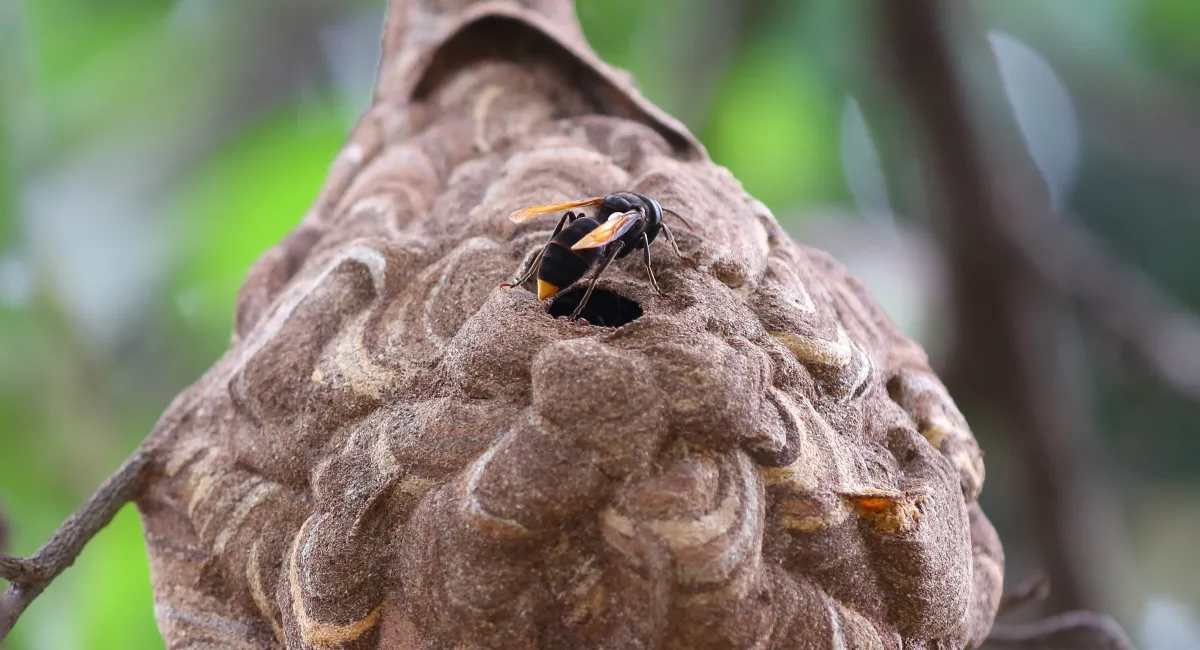
Hornets construct fully enclosed, football-shaped paper nests, usually higher in trees or attached to larger structures, with one bottom entry hole. These nests can grow large, from the size of a football to a beach ball. If you want to know if it’s a wasp nest or a hornet’s nest, look for the sealed paper layers on hornet nests versus exposed cells on wasp nests.
Because hornets can defend their nest aggressively, you should avoid trying to deal with this yourself. We can identify whether it’s a hornet nest or a wasp’s nest, treat the nest, and recommend ways to prevent new activity, helping you stay protected. Find out more about our stinging insect control.
Schedule your free pest inspection today
Get peace of mind knowing your home or business is protected. Our technicians will assess your property and recommend customized solutions.
Seeing signs of wasps?
Speak with your local pest control expert for fast advice and a free inspection.
Book a free inspection