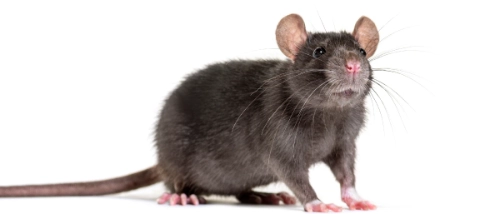
Are roof rats dangerous?
Roof rats pose health and property risks. They contaminate food with droppings and urine, spreading diseases including leptospirosis, salmonellosis, and rat-bite fever. Recent research suggests that rat populations are increasing in most cities globally, driven by climate warming and urbanization.
Roof rats cause extensive damage through:
- Chewed electrical wiring and fire hazards
- Contaminated insulation requiring replacement
- Damaged HVAC ducts and ductwork
- Gnawed water pipes leading to leaks
- Destroyed stored items in attics
- Ruined fruit crops and ornamental plants
- Structural wood damage from constant gnawing
The financial impact should not be underestimated, especially when infestations go undetected in attics or wall voids. Their gnawing damages electrical wiring (creating fire hazards), HVAC systems, insulation, utility ducts, and structural wood. In agricultural areas, they destroy crops and stored products, while their activity can lead to violations, fines, and closures in regulated commercial settings.
Whether it’s commercial or residential pest control, roof rat infestations need to be managed swiftly and efficiently to mitigate health risks and avoid reputational damage.