Temps and termites are on the rise. Schedule your free inspection today.

800-937-8398 Call us for a free quote Contact us

Termite control in California

There’s a reason why people fear termites so much - their wood-eating habits can cause damage to your home or business. The scary thing is, you may not know they are munching on your property. Termites in California are widespread due to the readily available wood and temperate weather, which is why you need to take extra precautions to ensure termite activity is caught before it becomes worse.

Certain kinds of termites are more common in California. Take time to learn about them here and find out what to do if you think you have a termite infestation. Western Exterminator has the solutions you need to help eliminate termites and protect your property. If you suspect your building is infested with termites, contact us today to set up a termite inspection.

Contact our local termite experts!

* Required field

Download this report

Common types of termites in California

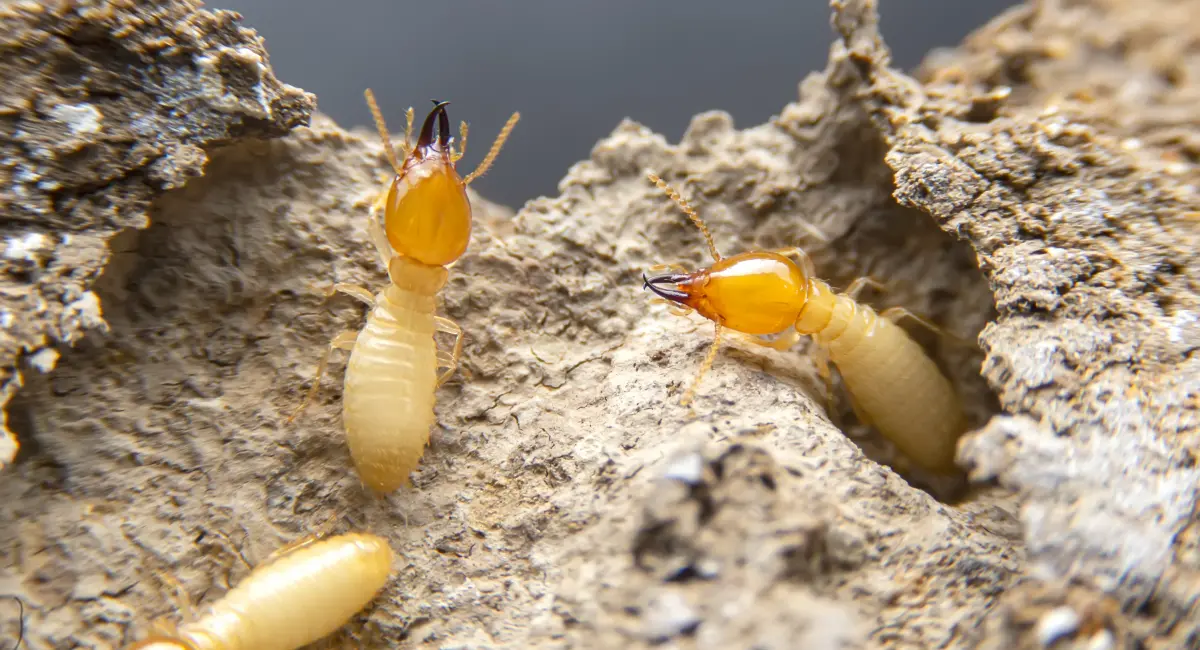
Closeup on some workers

In order to fight California termites, you need to find out a little more about the types of termites that are present in the Golden State. Subterranean and drywood termites are the most common termite types in California. Subterranean termites usually live in soil, and drywood termites typically live in dry wood, such as decks and lumber. Drywood species are more widespread in Southern  California.

To get more specific, subterranean termites of the genus Reticulitermes are highly active in California, and so are desert subterranean termites in the Sonoran Desert. Subterranean termites generally swarm when temperatures start to increase and after rain. They are not as active during cooler temperatures. If you live in San Diego, be wary of the Formosan subterranean termite. These termites can create large colonies and inflict damage within a short period of time.

Subterranean termites

Subterranean termites are among the most destructive pests in California. They live underground and travel through mud tubes to reach food sources above the surface, usually wood in buildings and homes. Because they stay out of sight, they can cause damage before you realize there’s a problem.

Subterranean termites have different roles within a colony. Workers are pale and soft-bodied, while soldiers have larger heads with strong jaws to protect the nest. The reproductive termites, called swarmers, are dark brown or black with two pairs of wings. These wings are the same size and are often shed near windowsills or entryways.

One of the most common signs of their activity is the presence of thin, muddy tubes. These often run along walls, foundations, or inside crawl spaces. You may also notice wood that sounds hollow when tapped, floors that sag, or paint that bubbles or peels for no clear reason.

To help prevent subterranean termites from becoming a problem, you need to make your home less welcoming. Start by reducing moisture around the foundation: fix leaking pipes, clean out gutters, and make sure water drains away from your home. It also helps to store firewood and mulch away from your walls, and avoid letting soil touch wooden siding or porch posts.

Scheduling routine termite inspections can help identify activity before it becomes severe. Our professionals can spot the signs of termites and help create a treatment plan if termites are found.

Drywood termites

Drywood termites are another common species in California, especially in warmer coastal and southern parts of the state. Unlike subterranean termites, they don’t need contact with soil or moisture from the ground. That means they can live entirely inside wood, whether it's furniture, floors, or the frame of your house.

These termites are slightly larger than their underground relatives. Winged swarmers are often light brown with long, clear wings. They tend to appear in late summer or fall, especially after a heatwave or humid weather. Finding discarded wings indoors on windowsills or near doors is one of the first signs they might be present.

Because drywood termites live inside the wood, they don’t build mud tubes. Instead, they leave behind piles of dry droppings, called frass, that look like small grains of sand or sawdust. You might find these beneath damaged furniture or near wall cracks.

Since these termites hide deep inside wood, they’re hard to reach with store-bought sprays or surface treatments. Professional termite control is needed to treat the infestation and prevent it from spreading.
Signs of termite infestation in California homes

Even if you’re not sure which type of Californian termite is present, knowing what to look for can help you catch the problem early. Both drywood and subterranean termites can cause damage, but the warning signs are slightly different.

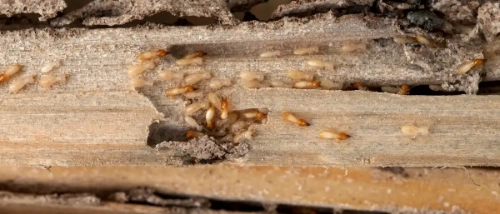
Small termite destroy timber

Visible signs of termite activity

Here are some of the most common things to watch out for:

  • Mud tubes on walls, foundations, or crawlspaces (a sign of subterranean termites).
  • Piles of frass—tiny droppings that look like pepper or sawdust (from drywood termites).
  • Hollow-sounding wood when tapped.
  • Paint that bubbles or looks damaged without water nearby.
  • Discarded wings near doors, windows, or vents.
  • Small holes or blistered areas on wooden surfaces.

If you see any of these signs, contact your local California termite control technicians. Catching a termite infestation early can help limit the damage these destructive pests can cause. 

How termites damage your home over time

Termites eat wood from the inside out, often hidden out of sight while weakening support beams, subflooring, and wall frames. You might not notice anything at first, but eventually, you could see sagging floors, stuck windows, or cracks along walls.

In severe cases, termites may damage areas that are expensive to fix, like roof supports or plumbing access points. If left untreated, this damage could significantly affect your home. That’s why regular inspections and fast action matter when it comes to termite control.

Termite inspections in California

Getting regular termite inspections is incredibly important to help keep your California home or business protected. Inspections should be completed by a termite professional who is well-versed in the inspection process. 

Western Exterminator experts know how to conduct termite inspections accurately, checking for wood-destroying pests. 

Why regular termite inspections matter

Termites are quiet and stay hidden in walls, floors, and wood beams. By the time you see clear signs of damage, they may have already been there for months or even years. That’s why waiting until something looks wrong isn’t the best approach.

With regular termite inspections, a trained technician can spot early signs of activity that most people wouldn’t notice. These visits can catch problems before they grow and give you peace of mind that your home is protected.

In areas where both drywood and subterranean termites are common, routine checks are important.

What happens during a termite inspection?

Your technician will take a careful look at the inside and outside of your home. They’ll check for signs of termites like mud tubes, frass (termite droppings), damaged wood, or discarded wings. They’ll also look in crawlspaces, basements, attics, and around windows, doors, and plumbing—places where termites often show up first.

After the inspection, the technician will explain what they have found, let you know if there’s any termite activity, and walk you through the next steps if treatment is needed. 

When it comes to a real estate property being sold, it is not a California law requirement that a termite inspection take place, but a lender will typically require it. Western Exterminator can provide the necessary inspection so you can see which, if any, kinds of fixes need to be done to the place you are selling. If you are purchasing a property, it is a wise choice to get an inspection as well, and Western provides this service too.

Termite control and treatment options in California

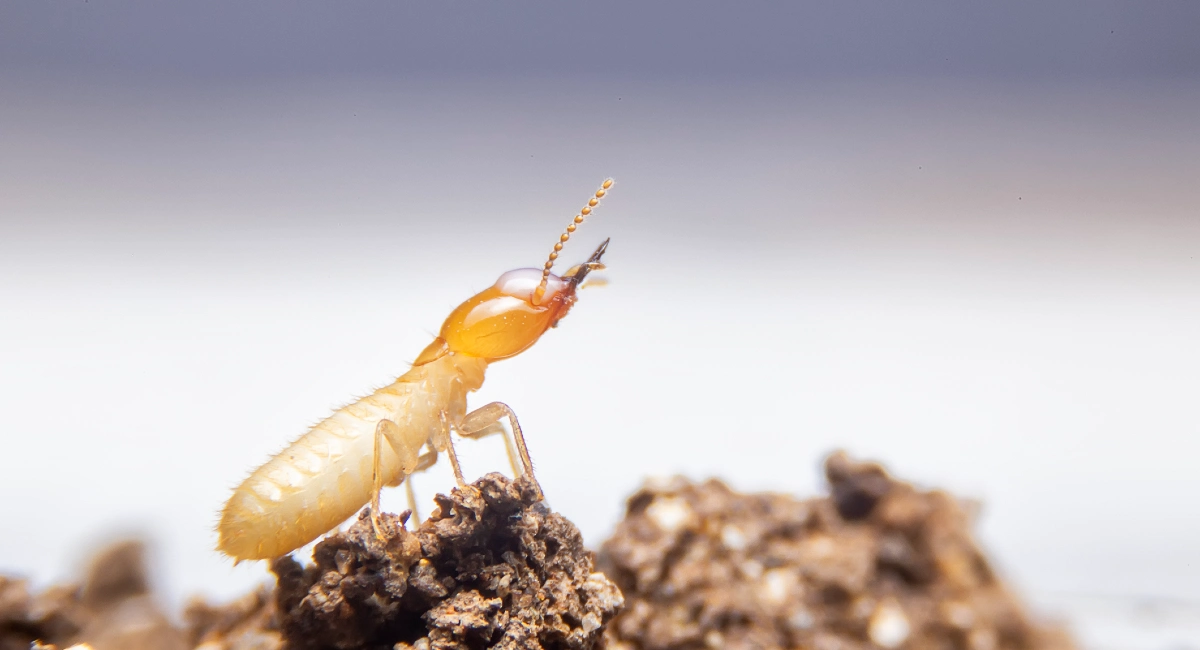
Couple termites in a nest

Termites may still begin eating away at your California property, no matter how hard you try to keep them away. If you have seen any signs of termites, get in touch with a professional as soon as possible so you can address the pest activity. Western Exterminator offers termite treatment that is designed for you individually. We also offer termite fumigation for drywood termites.

We know it can be a little frightening to need termite treatment, but it is well worth it, and it will help you get these wood-eating pests off your property. Western Exterminator has a century of expertise treating termites. You can trust that we will use the ideal method to help  get rid of the infestation.

Fumigation for drywood termites

Fumigation is often the most effective way to treat drywood termites, especially when they’ve spread to multiple areas in the home. Drywood termites live deep inside the wood and don’t need contact with soil, which can make spot treatments less effective in many cases.

During fumigation, your home is covered with a large tent and filled with a gas that reaches deep into the wood to eliminate the colony. While this process takes preparation, you’ll need to vacate your home for however many days your technician advises – this is the only way to make sure drywood termites are fully gone.

A technician will handle the setup, monitoring, and safety steps to make sure the treatment works. Once it’s complete and the home is cleared for re-entry, it’s safe to return and resume daily life, with far less worry about termites hiding behind your walls or under your floors.

Soil treatments for subterranean termites

Subterranean termites live underground and build mud tubes to reach food sources above ground. Because they stay close to the soil, one of the most effective ways to treat them is with soil-applied treatments.

This method involves applying a liquid termiticide in the soil around and underneath your home. It creates a treated zone that termites can’t cross without being affected. When applied, this barrier can help to stop termites from entering and may reduce the size of the colony over time.

Soil treatments may also be used in crawlspaces, under patios, or anywhere termites are active near the ground. Technicians often use specialized tools to make sure the treatment reaches the right depth and coverage.

Cost of termite control in California

When faced with the need for termite treatment, one issue that will inevitably come to mind is the cost. It is challenging to give one specific price, as the price of pest control will depend on the type of treatment we are using, the size of your property, and how severe the problem is.

A few key factors influence how much you’ll pay for termite control:

  • Type of termite: Drywood and subterranean termites need different types of treatment. Fumigation for drywood termites, for example, may cost more than soil treatments used for subterranean termites.
     
  • Size of infestation: A small, contained infestation is usually easier (and cheaper) to treat than a large one that’s spread across several areas of your home.
     
  • Location of the colony: If the termites are hiding deep inside walls or in hard-to-reach places like the attic or crawlspace, it may take more time and effort to treat.
     
  • Property size and layout: Larger homes usually require more product and more time to treat, which can increase the price.

We recommend contacting your local Western Exterminator California office to arrange a time for an inspection of your home or business so we can better determine what treatment is needed and what the cost will be. Our termite experts are trustworthy, and you can count on us to resolve any termite issues that are occurring.

Our proven termite control process

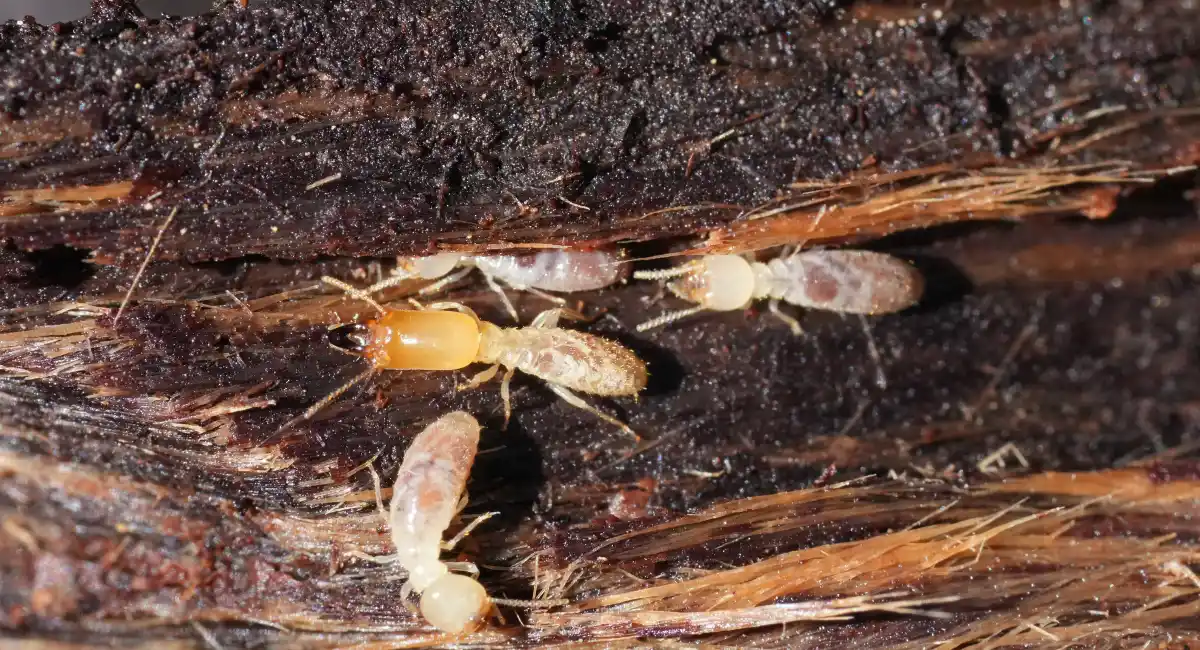
Small termite on decaying timber

When termites show up, you need a plan that works. At Western Exterminator, we start with a careful inspection to find where termites are hiding and how much damage they may have caused.

Once we understand the problem, our technicians create a treatment plan that fits your space. Whether it’s drywood or subterranean termites, we use targeted solutions to treat the issue and help prevent termites from coming back. After treatment, we check in with follow-up visits to make sure everything’s working as it should.

Call Western about termites in California

Rather than playing the role of the pest professional yourself, our experts are here to help. At Western Exterminator, we are the industry leaders in termite control. Our termite experts in California will make sure the process goes as smoothly as possible for you. 

Even if you do not think you have termite issues, setting up periodic termite inspections can help detect activity before it becomes an issue.

Frequently asked questions

Most homeowners’ insurance policies don’t cover termite damage or treatment. That’s because termite issues are considered preventable with regular maintenance.

Yes, termites are a common issue in California due to the warm, dry climate in many parts of the state. Both drywood and subterranean termites are active here, and they can affect homes year-round, especially in areas with older wood structures or excess moisture.

Most California termites are small. Workers are about 1/8 of an inch long, while swarmers (the winged termites) can be around 1/2 an inch. Size can vary by species, but even small termites can cause big problems if left untreated.

Yes, but it varies by species. Drywood termites tend to swarm in late summer and fall, while subterranean termites usually swarm in spring after rain.

In most cases, yes, especially during a real estate transaction. Lenders or buyers often require a termite inspection and clearance report before a home can be sold.

Find your local branch

Enjoy pest-free living all year long with PestFree365+. See how our home pest control plan protects you and your family from 39 common pests.