Temps and termites are on the rise. Schedule your free inspection today.

800-937-8398 Call us Request a callback

Brown-banded cockroaches

Learn about brown-banded cockroaches - habitat, diet, life cycle, and dangers

Brown-banded cockroaches are small but persistent pests that have become increasingly common in homes and businesses across North America. These resilient insects are known for their distinctive striped appearance and their ability to thrive in drier environments than other cockroach species.

Quick facts about brown-banded cockroaches

  • Smaller than American cockroaches, typically measuring 0.5 inches long
  • Live for 3 to 6 months as adults and reproduce quickly with short life cycles
  • Most active at night, but can be seen during the day in heavily infested areas
  • Prefer warm, dry spaces and are commonly found in upper cabinets and wall voids


A starling perching on a fence

What are brown-banded cockroaches?

While American cockroaches get most of the attention, brown-banded cockroaches are quietly becoming a troublesome household pest. 

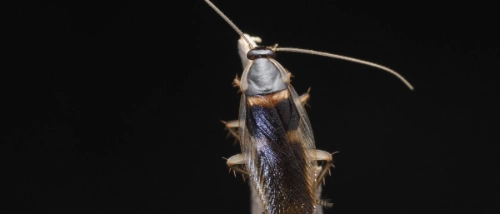
These cockroaches are quite small – they grow to about 0.5 inches long. Their distinctive brown-and-tan striped pattern can help with identification. 

For more details on how these cockroaches compare to other species, check out our cockroach information page.

Seeing cockroaches?

Call now to book your free inspection.

Habitat, diet, life cycle, and behaviours

These insects have specific needs when it comes to where they live and what they eat. Learning about the brown-banded cockroach's characteristics can help you understand why they enter homes and businesses. 

Brown-banded cockroaches prefer warm, dry places. You'll often find them in upper cabinets, closets, and wall voids because they like to stay high and dry. They're attracted to areas near appliances like refrigerators and ovens, because that’s where it’s usually warmest. They also like to hide behind picture frames, in furniture, and inside electronics.

Brown-banded cockroaches will eat almost anything. This includes food scraps, paper, fabric, glue, and even soap.

The life cycle of a brown-banded cockroach has three main stages: egg, nymph, and adult. 

Female brown-banded cockroaches lay eggs in small cases, each containing around 10 to 18 eggs. These often attach to surfaces like furniture or ceilings. 

The eggs typically hatch in about one to three months.

Brown-banded cockroaches are nocturnal creatures, which means they're active at night and sleep during the day. They're fast runners, scare easily, and use their long antennae to find food and navigate in the dark.

They’re also social creatures, and communicate with each other using chemicals called pheromones. Unlike other cockroaches, the brown-banded species is more likely to be found in upper areas of your home rather than near the ground.


Natural enemies and threats

Brown-banded cockroaches have relatively few natural predators indoors, but in warmer outdoor environments, they may be preyed on by spiders and certain insects. Because they prefer living in dry, hidden areas inside homes, their main threats are human-driven—especially targeted insecticides and professional pest control treatments designed to reach their secluded hiding spots. 


Signs of a cockroach infestation

Brown-banded cockroaches often stay hidden in higher, drier areas, so infestations can go unnoticed at first. You may spot tiny droppings that look like pepper flakes, along with a faint, musty odor. Look for shed skins and small egg cases attached to surfaces, such as ceilings, behind picture frames, or inside cabinets. Damage to paper, glue, or fabrics can also occur.

Seeing one during the day is a strong warning sign, as these nocturnal insects typically remain out of sight unless populations are well established.
Frequently asked questions

Brown-banded cockroaches are small, measuring about 0.5 inches long, which makes them much smaller than American cockroaches. They have a reddish-brown color with distinctive tan or light brown bands across their wings and body. 

Unlike German cockroaches, they prefer warm, dry areas like upper cabinets rather than damp spaces near the ground.

Brown-banded cockroaches have distinctive light brown or tan bands that run across their wings and body. These bands are their most recognizable feature and make them relatively easy to identify.

Brown-banded cockroaches have wings and can make short flights, especially males. However, they don't fly frequently and prefer to run and hide. Females are less likely to fly than males, and their wings may not be fully developed.

No, they don't bite, but they can pinch if threatened. 

Yes, brown-banded cockroaches carry bacteria that can contaminate food and cause illness.

Brown-banded cockroaches reproduce quickly. Females lay egg cases that hatch in 6 to 12 weeks, and nymphs take three to six months to become adults. 

Find your local branch

Find out more about Western Exterminator and our services