Temps and termites are on the rise. Schedule your free inspection today.

800-937-8398 Call us for a free quote Contact us

A practical guide to eating insects and edible bugs

Though not yet a common diet in the West, insects and bugs are eaten regularly by billions of people around the world. This practice, known as entomophagy, has been part of many cultures for centuries.

As the global population rises and the demand for meat grows, experts are looking at alternative food sources. One option that keeps coming up is to eat insects as a source of protein. Edible insects are touted as an environmentally friendly option: compared to traditional livestock, insect farming consumes less, making them a more sustainable source of food with a smaller environmental footprint.

However, it’s not just about sustainability. Edible bugs like crickets, black ants, and mealworms offer plenty of protein, healthy fats, and nutrients. Let’s take a look at why more and more people are turning to insect-based foods, what types of edible insects are commonly eaten, and whether they’re safe for human consumption.

What is entomophagy?

Entomophagy is the practice of eating insects. Currently, there are more than 2,000 known edible insect species. Insects can be eaten whole, roasted, or ground into powders and used in a variety of dishes.

While it might seem unusual to some, insects form a regular part of diets in countries across Asia, Africa, and Latin America. Today, eating insects has gained attention in other parts of the world, especially as people look for more sustainable ways to meet growing food needs.

The benefits of eating insects

As noted above, insects offer both environmental and health benefits. For one, they’re packed with nutrients: many are high in protein, low in fat, and full of fiber, vitamins, and minerals. They’re also more sustainable than traditional meat.
 

Why are insects a sustainable food source?

Farming insects uses a fraction of the land, water, and feed needed for livestock. For example, crickets need just one gallon of water to produce the same amount of protein as cattle raised using 500 gallons of water. They also emit fewer greenhouse gases. With insect farming, food waste can be reduced, too, as some insects feed on scraps that would otherwise go to landfills. They reproduce quickly and grow fast, making them an efficient food source for a growing world. 

Edible crickets vs. traditional meat

Crickets are an increasingly popular alternative to traditional meat due to their high protein content, low environmental impact, and efficient feed-to-protein conversion. Unlike cattle or poultry, crickets require significantly less land, water, and food to produce the same amount of protein and emit far fewer greenhouse gases. Additionally, crickets are rich in essential nutrients like iron, B12, and omega-3 fatty acids. 

Learn more cricket facts if you're curious about their behavior beyond the dinner table.
Types of edible insects around the world

Many cultures have long included insects in their diets. From ants in South America to fried spiders in Cambodia, here are some examples of edible bugs that people enjoy globally.

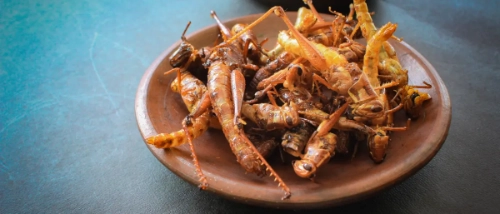
A bowl of fried grasshoppers

Edible crickets and grasshoppers

Crickets and grasshoppers are among the most commonly eaten insects. They have a mild, nutty flavor and are often roasted or turned into powder for baking.

They are rich in protein, iron, and amino acids, making them a strong meat alternative. They're often enjoyed as a snack or part of larger meals.

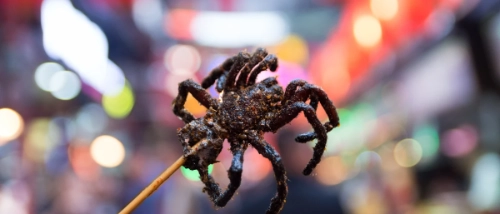
A fried tarantula on a wooden skewer

Edible spiders

In some parts of Southeast Asia, tarantulas are served as a delicacy. They're typically deep-fried and eaten whole, with a texture described as crispy on the outside and soft inside.

If you're curious about these eight-legged creatures beyond their use in cuisine, read more interesting spider facts in our article about spiders.

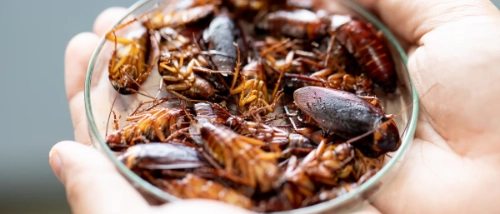
A pair of hands holding a glass bowl full of cockroaches

Edible cockroaches

Yes, even cockroaches are safe to eat when farmed and prepared correctly, usually boiled or roasted.

These insects are high in protein and low in fat, but due to the risk of contamination, they should never be eaten raw or caught from the wild.

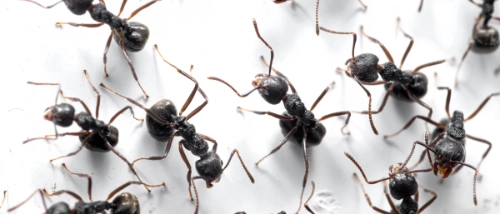
A macro photo of a group of black ants on a white wall

Edible ants

In many regions, ants are a regular part of traditional dishes. Certain types, such as black ants, are known for their tangy, citrus-like flavor due to the formic acid they contain.

They offer a good amount of protein and can be eaten raw, roasted, or blended into other foods.

Are edible insects safe to eat?

For most people, insects are safe to eat when they come from trusted sources and are properly cooked. Like any food source, they can pose health risks if not handled with care.

Thorough cooking helps kill bacteria and parasites that may be present. Avoid catching wild insects for food, since they may have been exposed to pesticides or other harmful substances. It's also worth checking labels when buying insect-based products to make sure they're meant for human consumption.

Allergies and contaminant risks

Insects are closely related to shellfish, so people with shellfish allergies should be cautious about eating insects. Signs of a reaction might include itching, swelling, or an upset stomach. If you're unsure about potential allergies, talk to a healthcare professional before trying them.

Contaminants can also be an issue if insects are harvested from polluted areas. Always stick with insect products specifically made for human consumption.

Frequently asked questions

The taste of bugs varies by species. For example, crickets have been described as tasting nutty, ants can be citrusy, and spiders often taste a bit like shellfish.

Yes, cicadas can be safe to eat if they’re cooked thoroughly and come from clean environments. Avoid eating raw or wild cicadas. They are typically boiled, roasted, or fried. Many say they taste similar to asparagus or nuts.

Find your local branch

See what the hot pest topics are in Mr. Little’s world.