© 2026 Rentokil Initial plc and subject to the conditions in the Legal statement
Quick overview
- Moles are not known to spread diseases directly to humans or pets
- The real risk comes from ticks and fleas carried in their fur
- Ticks from moles can transmit Lyme disease and Rocky Mountain spotted fever
- Moles rarely bite, but any animal bite needs prompt wound care
- Professional help is the most effective way to manage mole activity
Raised tunnels crisscrossing your lawn, mounds of dirt popping up overnight, and maybe even a close encounter between a mole and your curious dog; when wildlife gets too close to home, it's natural to worry about health risks.
So, do moles carry diseases? The short answer is that moles are not known to transmit communicable diseases directly to humans or pets. But that doesn't mean they're completely harmless. The real concerns are more indirect, and they're worth understanding if moles are active on your property.
The truth about moles and disease
Unlike rodents such as rats and mice, moles aren't known to transmit diseases to humans or pets. They're insectivores, not rodents, which means they have different behaviors and diets.
Moles spend most of their lives minding their business underground, eating earthworms, grubs, and insects. They're not rummaging through garbage or contaminating food supplies like rats do. Their underground lifestyle keeps them isolated from most human contact.
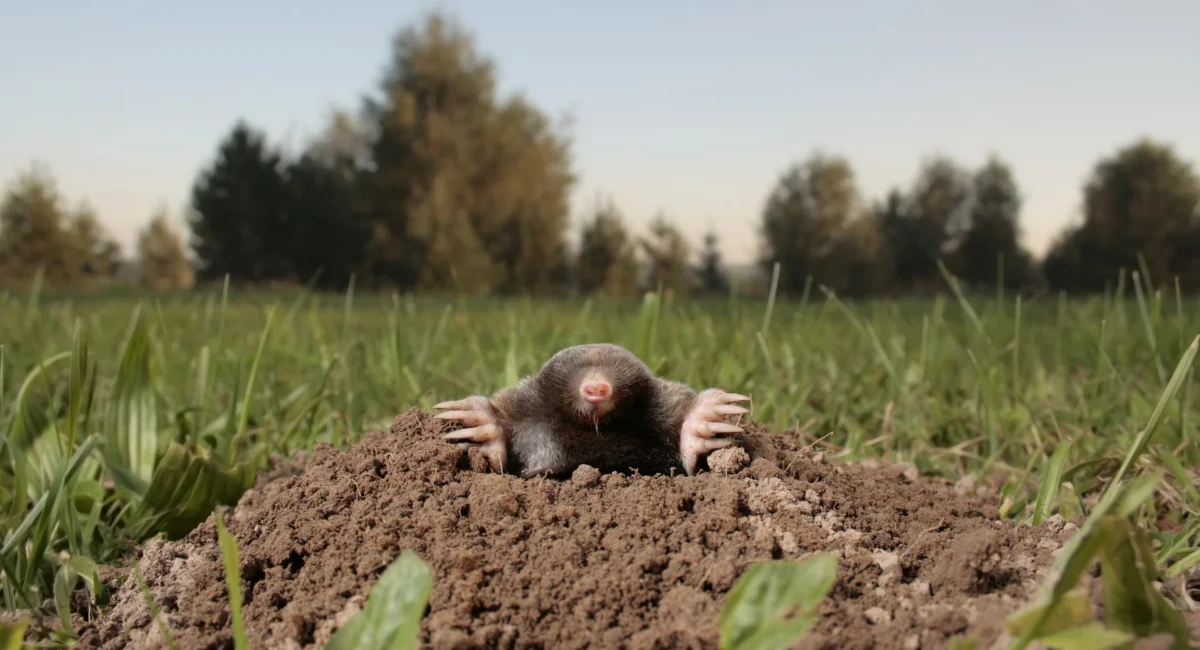
That said, any wild animal bite or scratch should be taken seriously. While moles themselves are not thought to carry communicable diseases, any break in the skin can lead to bacterial infection if not properly cleaned and treated. If you or your pet has an encounter with a mole, wash the affected area thoroughly with soap and water and monitor for signs of infection like redness, swelling, or discharge. If you have any concerns, consult a healthcare professional.
The real threat: secondary parasites (ticks and fleas)
This is the area that deserves the most attention. Moles can host fleas, ticks, and mites in their fur. When moles tunnel through your yard, those parasites can end up in the soil, on the surface, and on any pet or person who disturbs an active tunnel.
Ticks are the bigger concern. A tick that has fed on a mole can transfer to a dog, cat, or person and potentially transmit:
- Lyme disease (caused by the bacterium Borrelia burgdorferi, spread by black-legged ticks)
- Rocky Mountain spotted fever (a bacterial infection spread by tick bites)
- Anaplasmosis (a tick-borne illness causing fever and fatigue)
- Tularemia (a bacterial disease that can affect both animals and humans)
The mole itself isn't the disease source. It's acting as a transport vehicle. A yard with active mole tunnels can see elevated tick activity, especially during peak tick season in spring and fall.
Fleas can also hitch a ride from a mole onto a pet or person. Beyond the discomfort of flea bites, fleas can transmit Bartonella (the bacteria behind cat scratch fever) and tapeworms. If your dog or cat has had contact with a mole, check them thoroughly for fleas and ticks.
Mites are less commonly a human concern but can cause skin irritation in pets.
Debunking the myths: rabies and leptospirosis
This is one of the most common fears, and it's largely unfounded. There are no documented cases of mole-to-human rabies transmission in North America. Rabies in the US is overwhelmingly associated with bats, raccoons, skunks, and foxes. Moles' underground lifestyle keeps them almost entirely removed from the animals that typically carry and spread the virus.
If a mole bites a person, rabies is not the primary concern. However, you should consult a healthcare professional if the wound is deep or shows signs of infection.
Leptospirosis is a bacterial infection spread through the urine of infected mammals. Moles can theoretically carry Leptospira bacteria, as can many wild mammals. However, there are no documented human cases of leptospirosis traced directly to moles.
The more realistic risk is indirect: contaminated soil in or near mole tunnels, particularly after rain, when bacteria can survive in wet ground for weeks. The risk is low, but it's worth taking basic precautions. Always wear gloves when digging near mole tunnels, especially if you have any cuts or open wounds on your hands. If you develop flu-like symptoms after contact with mole-disturbed soil, consult a healthcare professional promptly, as leptospirosis is treatable when caught early.
Risks to pets: dogs and cats
Pets are often the first to encounter moles, and they face a slightly higher risk than humans simply because of how they interact with the yard.
Dogs are natural diggers and hunters. A mole tunnel system is essentially an invitation to excavate. Dogs that dig into active tunnels or catch a mole can pick up fleas and ticks directly from the animal or the surrounding soil. If your dog eats a dead mole, the risk of illness from the mole itself is low, but the parasites it carries are a concern. Watch for signs of gastrointestinal upset, unusual lethargy, or excessive scratching in the days following any mole encounter.
Cats that hunt and carry moles in their mouths face similar parasite exposure risks. Fleas and ticks can transfer from the mole to your cat, and from your cat into your home.
Practical steps to protect your pets:
- Keep flea and tick prevention treatments current year-round
- Check pets thoroughly after time in the yard, especially near active tunnel areas
- Talk to your vet about leptospirosis vaccination, particularly for outdoor dogs
- If your pet shows any unusual symptoms after a mole encounter, contact your veterinarian
Can moles bite humans?
Moles rarely bite. They're shy, solitary animals that spend almost their entire lives underground and actively avoid human contact. The vast majority of people will never get close enough to a mole to be bitten.
That said, a mole that is cornered, grabbed, or trapped may bite out of fear. If you're bitten:
- Clean the wound immediately and thoroughly with soap and water
- Apply an antiseptic
- Consult a healthcare professional, particularly if the wound is deep or shows any signs of infection
The risk of serious illness from a mole bite is low. The main concern is standard bacterial infection from any animal bite that breaks the skin, not disease transmission specific to moles.
Other concerns with moles
Even though moles may not spread diseases, they can still cause problems around your property.
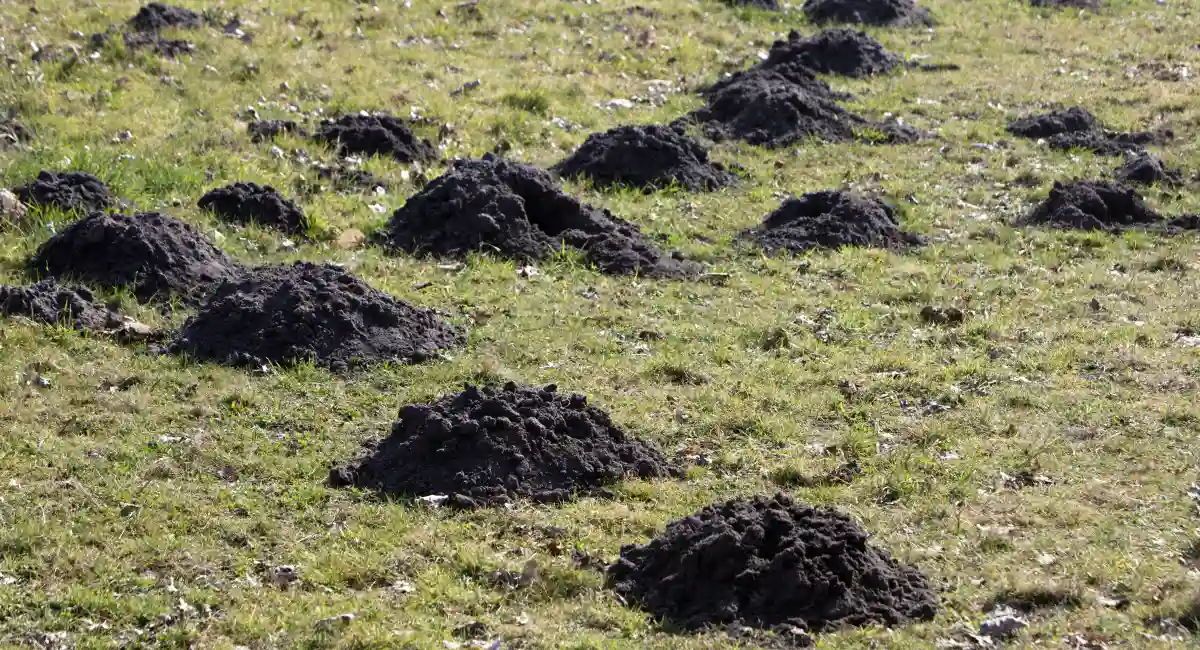
- Lawn and garden damage is the biggest complaint. Moles create extensive tunnel systems just below the surface, leaving raised ridges across your yard. These tunnels can damage plant roots, create tripping hazards, and make your lawn look terrible. The dirt mounds they push up (called molehills) can smother grass and make mowing difficult.
- Secondary pest problems can develop, too. The tunnels moles create provide convenient pathways for other animals like voles, mice, and shrews. These rodents actually do carry diseases and can cause additional damage to your property.
Protecting your property from moles
If moles are active on your property, there are some sensible steps you can take to reduce risk while you arrange professional help.
Around the yard:
- Avoid disturbing active mole tunnels with bare hands
- Always wear gloves when gardening or digging near tunnel areas, especially after rain
- Keep children and pets away from raised tunnel ridges during peak tick season (spring and fall)
- Wash hands thoroughly after any yard work near mole activity
For your pets:
- Keep flea and tick prevention treatments up to date
- Check pets for ticks and fleas after time outdoors
- Consult your vet if your pet has had direct contact with a mole
DIY options:
- Reducing food sources (grubs and insects in your lawn) can make your yard less attractive to moles, though this takes time and rarely provides immediate results
- Underground barriers, such as wire mesh fencing, can protect specific garden beds if installed at least 24 inches deep
- DIY trapping is possible but requires accurate identification of active tunnels and correct trap placement. Moles are smart and will avoid poorly placed traps
Most DIY approaches offer short-term relief at best. Moles are surprisingly difficult to control without professional knowledge of their behavior and tunnel systems.
How Western can help
Mole control is tricky. These solitary animals live underground and only eat live insects, so traditional baiting doesn't work. Luckily, Western Exterminator's wildlife team understands mole behavior. Your local team can identify active tunnels, place traps effectively, and prevent new moles from moving in.
If moles are tearing up your lawn, don't wait until the damage gets worse. The longer a mole population is active, the more extensive the tunnel network becomes, and the greater the risk of secondary pests like voles and mice moving in behind them. Schedule a free wildlife inspection today and let us take a look.
Schedule your free pest inspection today
Get peace of mind knowing your home or business is protected. A Western Extermiantor specialist will assess your property and recommend customized solutions.
Book your free pest inspection today
Our local technicians will assess your property and recommend tailored solutions. Fast, friendly, and completely obligation-free.
- Targeted treatments applied safely and responsibly
- Local experts, fast response
- Trusted, trained technicians