© 2026 Rentokil Initial plc and subject to the conditions in the Legal statement
You turn the key in your ignition, and nothing happens. Or maybe your check engine light suddenly illuminates for no apparent reason. When you pop the hood, you discover the culprit: chewed wires, shredded insulation, and telltale droppings scattered across your engine compartment.
Rodents have been treating your car like a buffet, and fixing it could cost thousands. Let's talk about why rats love car wiring and what you can do to stop them.
Why rats target your car's wiring
It’s important to understand that rats aren't chewing your car wires out of spite or mischief. Several biological and environmental factors make vehicle wiring irresistible to these persistent rodents.
Firstly, wires provide the perfect texture and resistance for gnawing on. Rat incisors never stop growing, adding about four to five inches annually. Without constant gnawing to wear them down, their teeth would become unmanageable and eventually prevent them from eating.
Modern vehicles have also worsened the problem. Many manufacturers now use soy-based wire insulation instead of traditional petroleum-based materials. These eco-friendly alternatives contain organic compounds derived from soybeans and other plant materials.
To a rat, this smells and tastes like food. What was meant to reduce environmental impact has unexpectedly attracted hungry rodents.
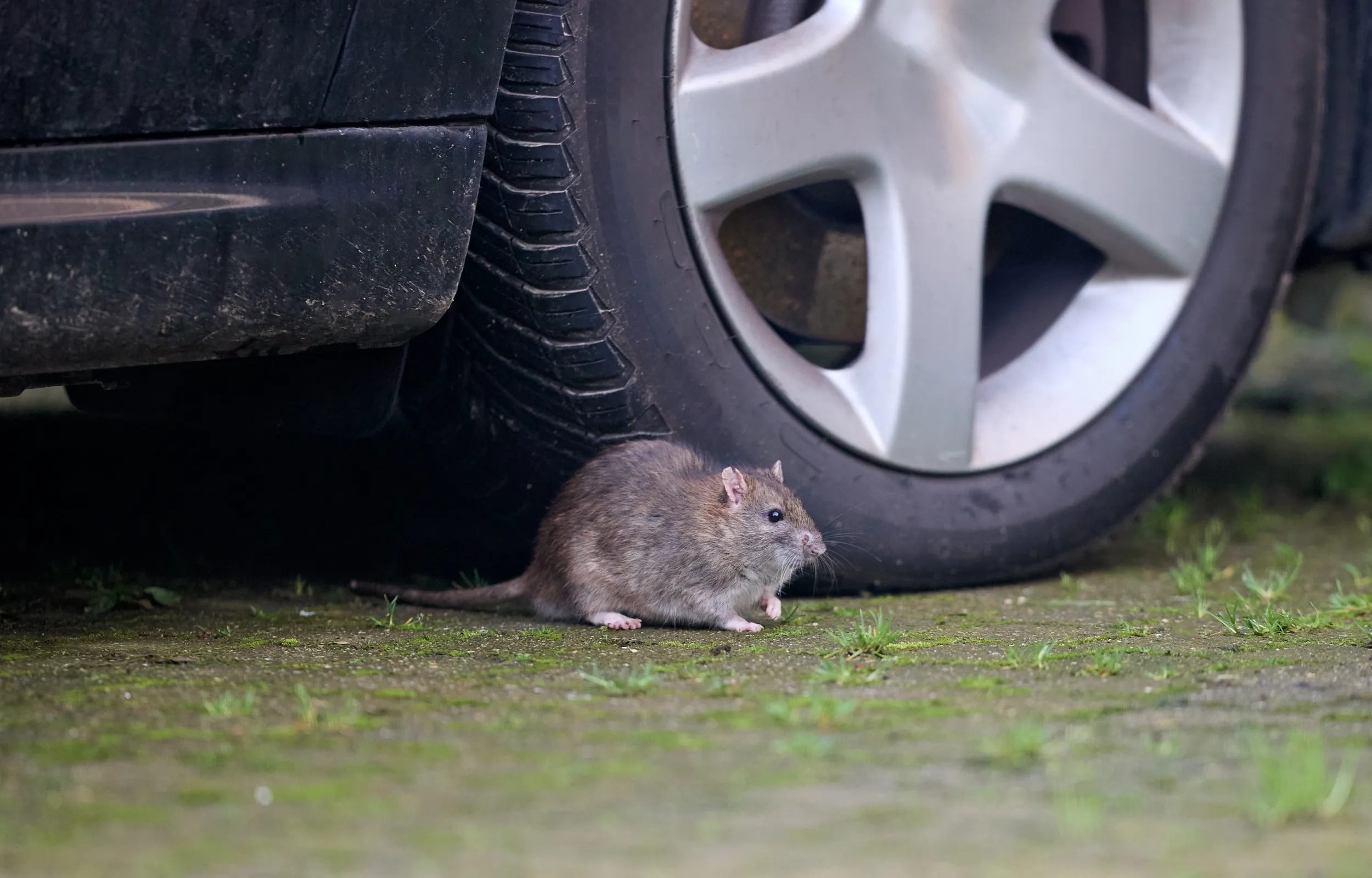
Your engine compartment also offers exactly what rats are looking for: a warm, protected space where they feel safe from predators. The residual heat from a recently driven car is especially appealing during cold weather. Once inside, rats encounter wiring everywhere they turn, making it convenient to satisfy their gnawing urges while staying hidden.
Rats also love to strip wire insulation for nesting. The soft, flexible covering makes ideal bedding for building warm, protected nests.
The real cost of chewed wires
Rat damage can get expensive fast, and fixing chewed wires can be very costly, depending on the type of car and the severity of the damage. If rats gnaw extensively on multiple wire bundles, you might be looking at repair costs in the thousands.
But money isn't even the scariest part. Rats can chew through wires that control your airbags, anti-lock brakes, and stability systems – the very things that keep you safe while driving. If they don't work when you need them, that's a serious problem. Then there's the fire risk. Exposed wires can spark and ignite oil, insulation, or fuel vapors present in your engine.
To put it plainly, rats in your car engine can pose serious money and safety risks. That’s why it’s crucial to spot the warning signs early.
Spotting the warning signs
Catching rat damage early can prevent minor problems from becoming major disasters. Watch for these telltale indicators:
Your dashboard might suddenly light up with warning indicators, particularly the “check engine” light, which often signals sensor damage or electrical system problems caused by chewed wiring. Also, starting problems can appear out of nowhere. If your car refuses to start or shows intermittent starting issues, it could indicate that ignition system wiring has been compromised.
A visual inspection of your engine compartment might reveal the smoking gun: chewed insulation, exposed copper wires, or completely severed cables.
You might also spot nesting materials, such as shredded paper, fabric, or insulation, tucked into corners. Rat droppings are hard to miss once you know what to look for; these dark, capsule-shaped pellets scattered on engine components are strong indicators that rodents have been making themselves at home under your hood.
Take note of smells coming from your engine bay, particularly a musky odor, which can indicate rat activity. Also look for unusual electrical symptoms, such as malfunctioning lights, a mysteriously dead battery, or systems that work intermittently.
Protecting your vehicle from rat damage
Prevention beats expensive repairs every time. A multi-layered approach gives you the best chance of keeping rats away from your car's wiring.
- Park somewhere safe. If you can, keep your car in a garage with the doors sealed up tight. Can't use a garage? At least avoid parking near trash cans, compost piles, or bushy areas where rats like to hang out.
- Get rid of what attracts them. Rats come around when there's food. Take down bird feeders near where you park. Keep trash in sealed bins. Don't leave pet food outside. Make your property unattractive to rats, and they'll go somewhere else.
Check under the hood often. Just opening your hood and making some noise can keep rats away. They like quiet, undisturbed spots. If you're regularly poking around your engine, they'll find somewhere else to nest.
When to call the professionals
You don't need to wait until you've discovered rat damage to call for help. If you've spotted signs of rodent activity near your parking area, it's time to bring in the experts. Don't wait until you're facing a multi-thousand-dollar repair bill – or worse, a safety hazard.
Protecting your vehicle from rats is more affordable than fixing the damage they can cause.
Schedule your free pest inspection today
Get peace of mind knowing your home or business is protected. A Western Extermiantor specialist will assess your property and recommend customized solutions.
Book your free pest inspection today
Our local technicians will assess your property and recommend tailored solutions. Fast, friendly, and completely obligation-free.
- Targeted treatments applied safely and responsibly
- Local experts, fast response
- Trusted, trained technicians