© 2026 Rentokil Initial plc and subject to the conditions in the Legal statement
Your dog's food bowl has been disturbed overnight, and there are tiny droppings scattered nearby. Or maybe you've spotted a mouse darting away from the bag of kibble in your pantry.
If you're wondering whether mice actually eat dog food, the short answer is yes. And once they discover this easy food source, they'll keep coming back for more.
Why does dog food attract mice?
Mice are opportunistic eaters. While they naturally prefer seeds, grains, and foods high in fats and proteins, they're not picky when they're hungry. Their diet can include grass, insects, meats, and pretty much anything else they can find. This includes your pet's food.
Dog food is particularly appealing to mice because it contains exactly what they need: fats and proteins. Whether it's dry kibble or wet food, both provide nutritional value that helps mice survive and reproduce. The smell alone can draw them in from surprising distances.
Mice are small and can squeeze through openings as tiny as a quarter of an inch. That means they can easily access pet food stored in pantries, cabinets, or even bags that aren't properly sealed. And because mice are nocturnal, they're most active when you and your pets are asleep, making nighttime raids on food bowls common.
Mice only need about 4 to 5 grams of food per day to survive. That's roughly the equivalent of a few pieces of kibble. So even if your dog finishes most of their meal, the crumbs left behind are more than enough to keep a mouse fed and happy.
The contamination problem
Finding mice in your dog's food isn't just unpleasant. It's a genuine health hazard for both your pets and your family.
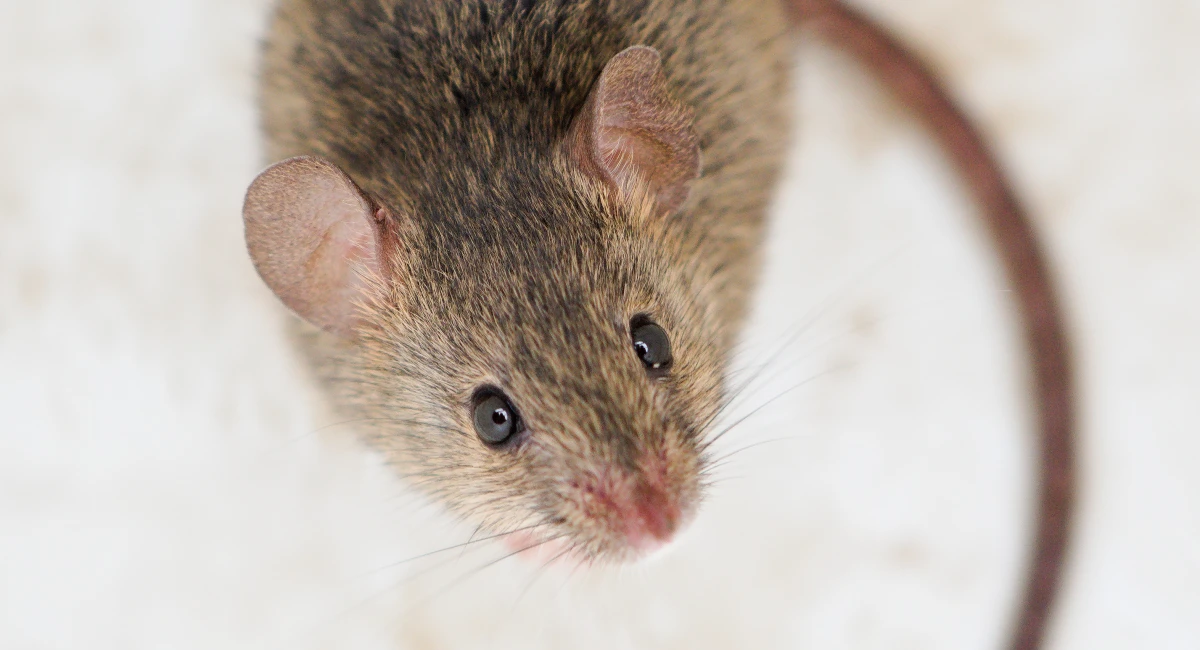
Research shows that mice contaminate ten times as much food as they actually eat. This contamination comes from their hair, urine, and droppings. That means every time a mouse walks through your pet's food bowl or across a bag of kibble, it's leaving behind potentially harmful bacteria and pathogens.
Mice and rats can carry diseases, including typhus and Weil’s disease, as well as various forms of bacterial food poisoning. When they contaminate pet food, they're not just affecting what your dog eats. They also pose risks to anyone who handles that food, cleans the bowls, or comes into contact with contaminated surfaces.
The contamination spreads quickly, too. Mice make multiple trips to food sources throughout the night. Each visit means more droppings, more urine, and more bacteria left behind. What started as a small problem can become a serious health concern in just a few days.
This is why proper sanitation and prevention are so important. It's not just about protecting your pet's food. It's about protecting your entire household from the health risks posed by rodent infestations.
How to protect your pet's food
Keeping mice away from dog food requires a combination of smart storage and good habits. Here's what actually works:
- Store food in sealed containers. Transfer dog food from bags into airtight plastic or metal containers with tight-fitting lids. Mice can easily chew through paper bags and even some plastic packaging, but a sturdy sealed container keeps them out
- Don't leave food out overnight. Pick up your pet's food bowl after mealtime, especially before bed
- Clean up spills and crumbs immediately. Even small amounts of food can attract mice. Sweep or vacuum around feeding areas regularly, and wipe down surfaces where food might have scattered
- Elevate food storage. While mice are excellent climbers, storing pet food on shelves or in cabinets (in sealed containers) adds an extra layer of protection. Just make sure there are no gaps or openings they can use to access these areas
- Keep feeding areas clean. Wash pet bowls daily and clean the floor around feeding stations. Food residue and water spills create attractive conditions for mice.
Sealing entry points
Even the best food storage won't help if mice can easily get into your home. Prevention starts with blocking their access.
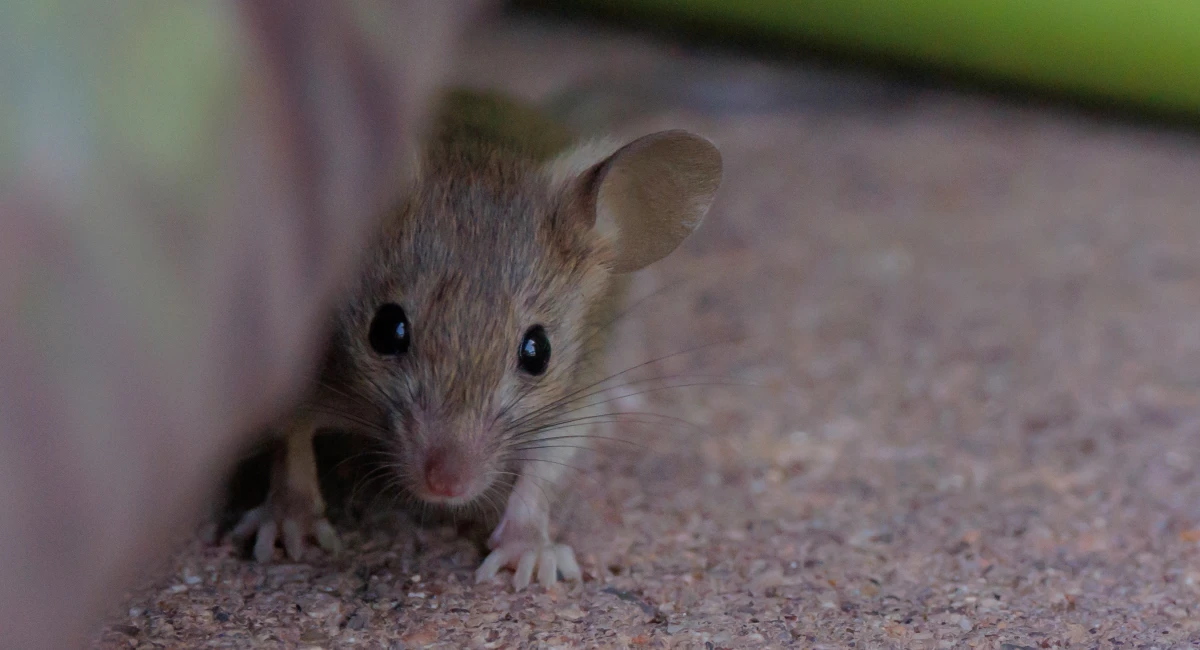
Mice have incredibly flexible bodies. Despite being 5 to 7 inches long, they can squeeze through openings as small as a quarter of an inch. That's about the width of a pencil. Any gap, crack, or hole that size or larger is a potential entry point.
Start by inspecting obvious areas, such as doors, windows, and screens, but don't stop there. Mice commonly enter through less obvious spots, including gaps around water pipes, vents, utility lines, and cracks in your home's foundation. Even small gaps around garage doors or basement windows can provide access.
When sealing these openings, material choice matters. Mice can chew through plastic, screen, wood, and rubber. Steel wool works better because it's difficult for them to gnaw through. For larger gaps, combine steel wool with caulk or expanding foam for a more permanent seal.
Because many entry points are hidden or hard to reach, a professional inspection can identify vulnerabilities you might miss.
When prevention isn't enough
If you've noticed signs of mice in your home, like droppings near pet food, chewed packaging, or actual mouse sightings, it's time to call in professionals. Our trained technicians can identify how mice are getting in, where they're nesting, and how to keep them out of your property.
We'll develop a comprehensive mice control plan to eliminate current infestations and prevent future problems. Protect your pet and your family's health today.
Schedule your free pest inspection today
Get peace of mind knowing your home or business is protected. A Western Extermiantor specialist will assess your property and recommend customized solutions.
Book your free pest inspection today
Our local technicians will assess your property and recommend tailored solutions. Fast, friendly, and completely obligation-free.
- Targeted treatments applied safely and responsibly
- Local experts, fast response
- Trusted, trained technicians