© 2026 Rentokil Initial plc and subject to the conditions in the Legal statement
Quick overview - When do mosquitoes come out?
- Mosquitoes are most active at dawn and dusk, when it's cooler and more humid
- Mosquito season runs late spring through early fall across most of the U.S.
- Mosquitoes wake up above 50°F and thrive around 80°F
- Most mosquitoes are active at night, and feed from dusk through the early hours
If you've ever stepped outside on a warm evening and immediately started swatting, you already know that mosquitoes come out at certain times of day more than others. But there's more to it than just summer evenings. Understanding what drives mosquito behavior can help you plan your time outdoors more wisely and take steps to protect your yard.
What time of day do mosquitoes come out?
Almost all mosquito species in the U.S. are most active during the hours around dawn and dusk. These cooler, lower-light periods give mosquitoes the conditions they need to fly, feed, and breed without the risk of dehydration that comes with midday heat and direct sunlight.
During the hottest part of the day, mosquitoes typically retreat to shaded, damp spots like dense vegetation, under decks, or near standing water.
Depending on the species in your area, you could be dealing with biting insects from early morning through to midnight. Two of the most common species you'll encounter are:
- Aedes albopictus (the Asian tiger mosquito), which tends to bite during the day, particularly in the morning and late afternoon.
- Culex pipiens (the common house mosquito), most active from dusk into the early hours of the night.
Mosquitoes are least active during the middle of the day when the sun is at its peak. If you're planning outdoor activities and want to reduce your exposure, midday is generally your best window, though some species, particularly the Asian tiger mosquito, are still active during daylight hours.
Knowing which signs of mosquitoes to look for around your property can help you gauge how serious the problem is before it peaks.
Are mosquitoes active at night?
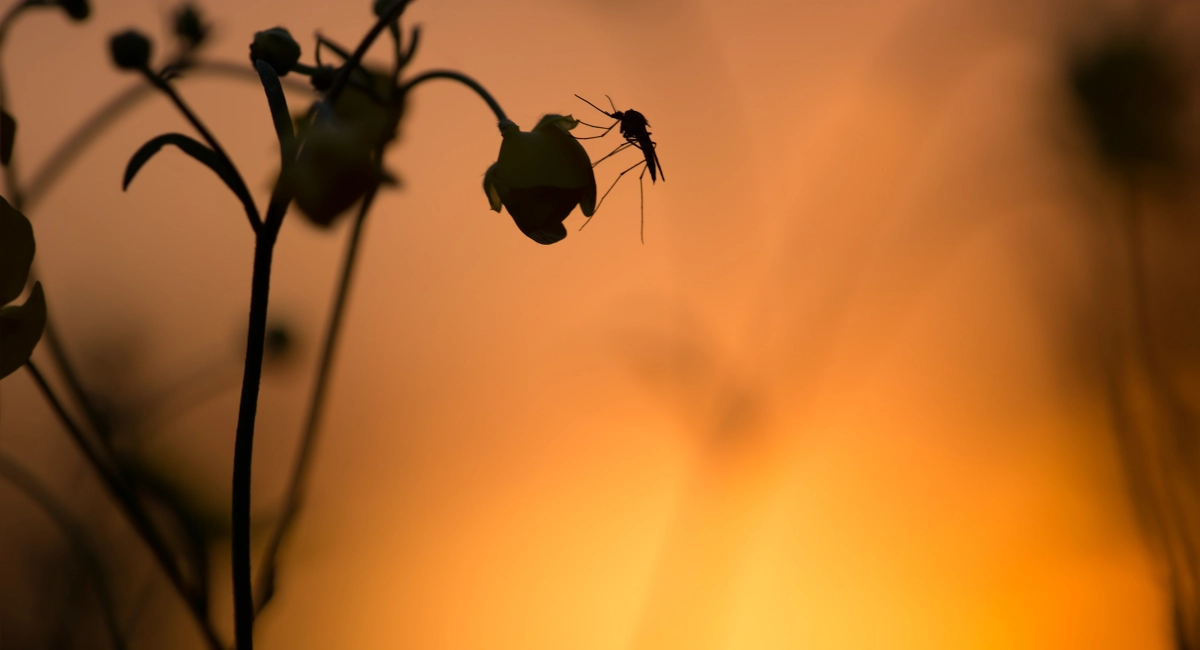
Yes, mosquitoes are active at night, and for many homeowners this is when the problem feels worst. Several common species, particularly Culex pipiens, are most active after dark. They're drawn to body heat, carbon dioxide, and moisture, all of which are present whether you're sitting on the patio or sleeping with a window open.
If a mosquito gets inside your home, indoor conditions protect it from the heat and dryness that would normally limit its activity. That means a single mosquito indoors can be active and biting through the night. Keeping screens in good repair and sealing gaps around doors and windows goes a long way toward keeping them out.
When is mosquito season?
Mosquito season isn't really about a specific month; it's about temperature. Once temperatures consistently reach above 50°F, mosquitoes either hatch from overwintering eggs or emerge from dormancy. Activity ramps up significantly once it hits around 80°F, and slows again as temperatures drop in the fall.
Here's a rough breakdown of mosquito season by U.S. region. Western Exterminator's mosquito control treatments are tailored to these regional conditions and the species most common in each area.
Season: February through November
Warm, humid, and wet conditions mean mosquitoes are active for most of the year. In parts of southern Florida, they can be present year-round.
Season: March through September
States like Texas, Georgia, Arizona, and the Carolinas see an early start to the season. Texas alone is home to 85 mosquito species, more than any other state in the country.
Season: April through September
This covers a large portion of the U.S., including California, Nevada, Colorado, and the mid-Atlantic states. Cooler winters keep the season shorter, but activity can still be significant during summer months.
Season: May through September
The shortest mosquito season in the lower 48. States like Washington, Minnesota, and Maine see fewer months of activity, though peak summer months can still bring significant mosquito pressure.
What month are mosquitoes the worst?
Nationally, the summer months of June, July, and August are peak mosquito months. This is when temperatures are consistently in the range mosquitoes thrive in, and when breeding cycles are running at full speed.
Regional variation matters a lot, though. In southern states like Louisiana, Florida, and Texas, May and September can be just as bad as midsummer. In the Pacific Northwest and northern states, the worst of it tends to be concentrated in July and August. A wet spring followed by a warm summer is often the recipe for a particularly heavy season, since rainfall creates new breeding sites and warm temperatures accelerate egg development.
What weather conditions affect mosquito activity?
Temperature is the biggest factor, but it's not the only one. Several weather conditions influence how active mosquitoes are on any given day:
- Wind: Mosquitoes are weak flyers. Even a light breeze can reduce their activity significantly, which is why outdoor fans can offer some temporary relief.
- Humidity: High humidity favors mosquito activity. Low humidity can actually be harmful to them, causing dehydration.
- Rain: Moderate rainfall creates new breeding sites by leaving standing water in gutters, planters, and low-lying areas. Heavy rain, however, can temporarily ground mosquitoes.
- Drought: Extended dry spells can reduce breeding sites, but a return of rain after a drought often triggers a surge in mosquito populations.
Why mosquito control matters
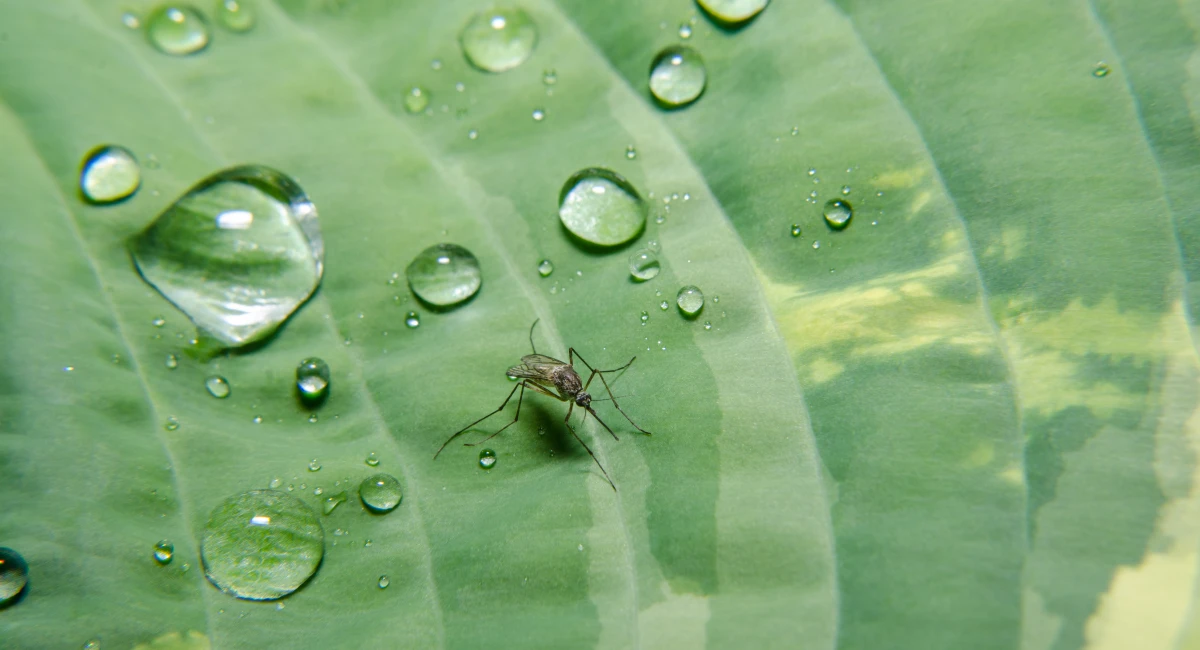
The bite itself is the least of it. Mosquitoes can carry diseases including West Nile virus, Zika virus, dengue fever, and chikungunya, and pets are also at risk from heartworm transmitted through mosquito bites.
When you're heading into a particularly active season, professional mosquito control can help address the problem at its source rather than just managing the symptoms. Western Exterminator's technicians are trained to identify where mosquitoes are breeding and resting on your property, and to apply targeted treatments that work with the seasonal patterns in your area.
Schedule your free pest inspection today
Get peace of mind knowing your home or business is protected. Our technicians will assess your property and recommend customized solutions.
Book your free pest inspection today
Our local technicians will assess your property and recommend tailored solutions. Fast, friendly, and completely obligation-free.
- Safe, targeted treatments
- Local experts, fast response
- Trusted, trained technicians