© 2026 Rentokil Initial plc and subject to the conditions in the Legal statement
Updated on: August 10, 2026
Quick facts about skeeter syndrome
- Skeeter syndrome is a severe allergic reaction to proteins in mosquito saliva.
- Symptoms can include significant swelling, redness, warmth, pain, blisters and fever.
- Reactions can develop within hours and last several days or even weeks.
- Children and people who spend more time outdoors may face greater exposure risks.
- Professional mosquito control can help reduce mosquito activity around your property.
Most mosquito bites are just annoying. A small bump, some itching, and it's gone in a day or two.
But for some people, mosquito bites trigger something much more serious. The bite site swells dramatically, turns red and hot, and can even develop blisters. This isn't a normal reaction. It's called skeeter syndrome, a severe allergic reaction to the proteins in mosquito saliva.
Understanding skeeter syndrome
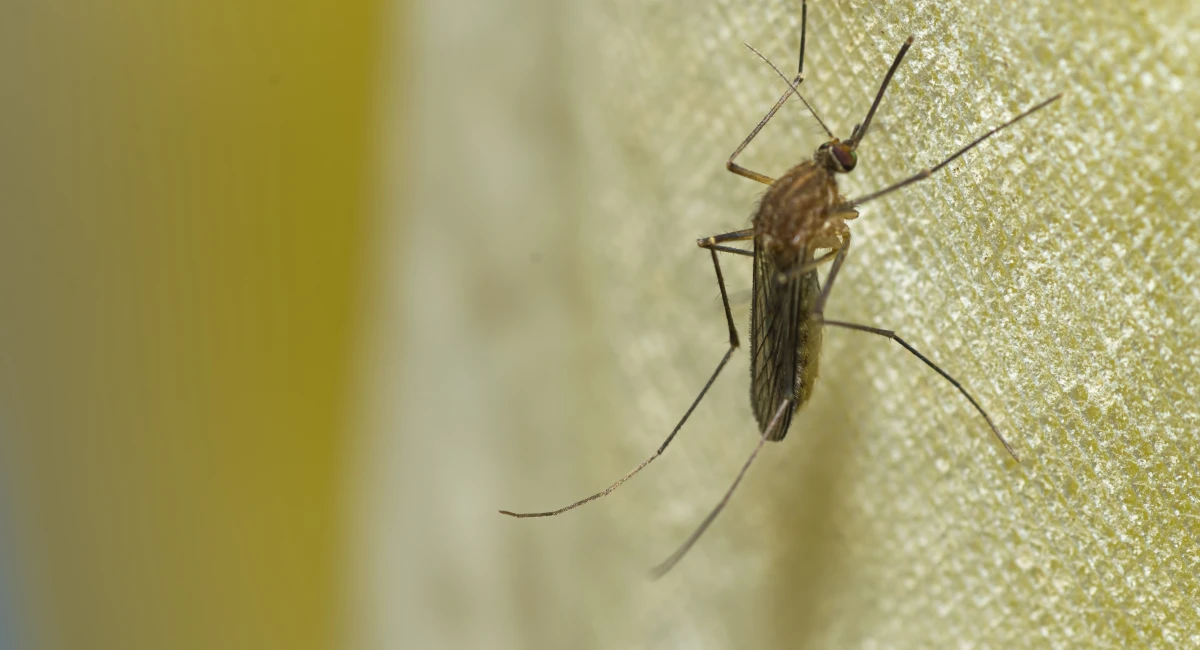
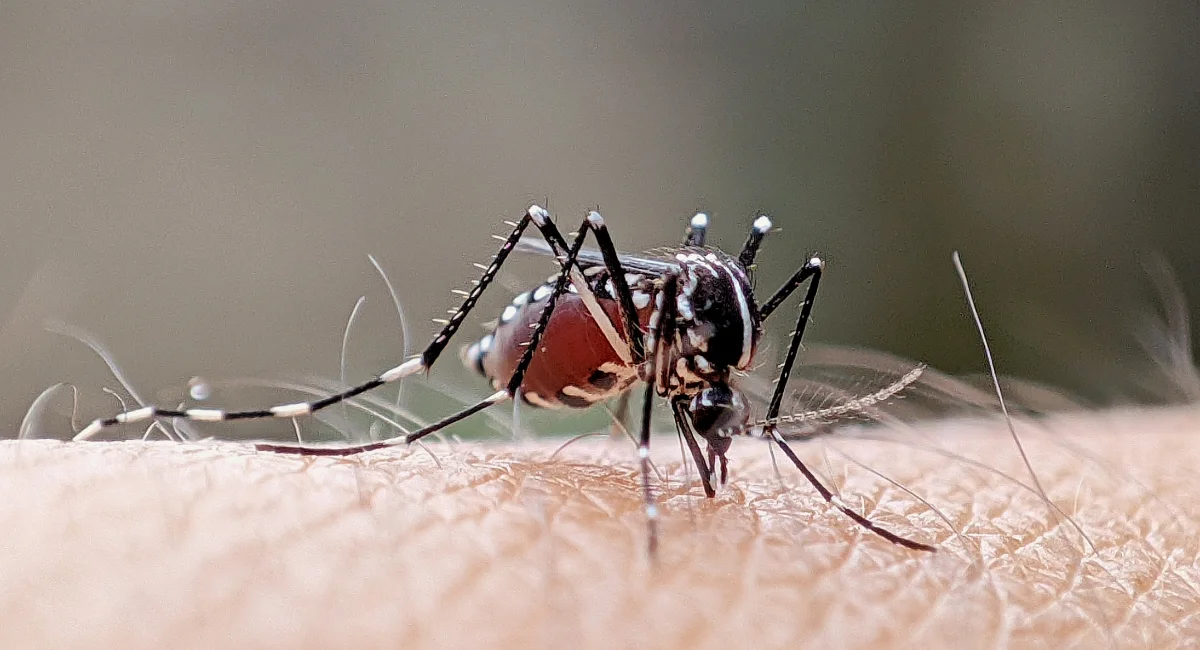
Skeeter syndrome is a localized allergic reaction to mosquito bites. When a mosquito bites you, it injects saliva into your skin. This saliva contains proteins that prevent your blood from clotting, making it easier for the mosquito to feed.
Most people's immune systems barely react to these proteins. You get a small bump and some itching. But if you have skeeter syndrome, your immune system treats these proteins as a major threat, and your body releases large amounts of histamine and other chemicals, causing an exaggerated inflammatory response.
Unlike a normal mosquito bite, which peaks after about 20 minutes and fades within a day, a skeeter syndrome reaction develops over eight to twelve hours and can last for several days or even weeks.
Recognizing the symptoms
Skeeter syndrome looks nothing like a typical mosquito bite. Instead of a small itchy bump, you're dealing with serious swelling – sometimes two to three inches wide or more. The area turns red, becomes hot to the touch, and becomes painful rather than itchy.
Some people develop blisters or even run a low-grade fever. The reaction usually kicks in within a few hours of being bitten, peaks around 24 hours, and can persist for three to ten days if left untreated.
If you do experience fever, difficulty breathing, or serious pain and swelling, please contact your doctor right away.
Who gets skeeter syndrome
Anyone can develop skeeter syndrome, but certain groups face a higher risk.
- Young children are especially vulnerable. Their immune systems haven't been exposed to many mosquito bites yet, so they haven't built up tolerance to mosquito saliva proteins. Many kids with skeeter syndrome see their reactions become less severe as they get older and experience more bites.
- People with compromised immune systems may also react more strongly to mosquito bites. This includes individuals undergoing certain medical treatments or living with conditions that affect immune function.
- If you have a family history of allergies like asthma, eczema, hay fever, or food allergies, you're more likely to experience severe reactions to mosquito bites. The tendency to develop allergic conditions can run in families.
- Travelers visiting areas with different mosquito species sometimes develop skeeter syndrome even if they've never had problems with mosquito bites before. Different mosquito species have slightly different saliva proteins, so you might be allergic to one type but not another.
- Outdoor workers or people who spend a lot of time outdoors are at increased risk of exposure to mosquitoes, which can increase their risk of developing sensitivity to mosquito saliva.
What to do if you have a severe reaction
If you think you're experiencing skeeter syndrome, it's important to talk to a healthcare professional. They can properly diagnose your reaction and recommend the right treatment for your situation. Your doctor can suggest appropriate over-the-counter or prescription options based on your specific symptoms and medical history.
In the meantime, there are some general comfort measures people often use for mosquito bite reactions. Applying a cold compress or ice pack to the swollen area may provide temporary relief. Many people also avoid scratching the bite to prevent breaking the skin.
If you're experiencing severe swelling, pain, fever, or any signs of infection, seek medical attention promptly.
Western can help prevent mosquitoes
The best approach to help reduce the risks posed by mosquitoes is prevention. By reducing your exposure to mosquitoes, you can avoid these uncomfortable reactions altogether. Our professional mosquito control services target breeding sites and create a protective barrier around your home.
Schedule your free pest inspection today
Get peace of mind knowing your home or business is protected. Our technicians will assess your property and recommend customized solutions.
Book your free pest inspection today
Our local technicians will assess your property and recommend tailored solutions. Fast, friendly, and completely obligation-free.
- Targeted treatments applied safely and responsibly
- Local experts, fast response
- Trusted, trained technicians