Temps and termites are on the rise. Schedule your free inspection today.

800-937-8398 Call us Request a callback

Natural ant repellents: DIY ant control

Call us

Quick facts about DIY ant control

  • DIY sprays often kill visible ants, not the nest
  • Baits can work better because ants carry them back to the colony
  • Cleaning can help remove scent trails and reduce activity
  • Home remedies may repel ants in the short-term, but results vary
  • If ants keep returning, the colony is likely nearby

Ants can be a big nuisance for home and business owners alike. More often than not, people try to control ant problems using home remedies and natural solutions first. The issue with most of these solutions is that they aren’t 100% effective and often lead to ants sneaking their way back into your home

Home remedies to get rid of ants

Ants like to forage and will search high and low for any source of food – including your property! So what are some natural ways to get rid of these crawling insects? Find out below.

Baking soda

Baking soda

Baking soda mixed with powdered sugar can be a useful method to kill ants. To make this natural ant killer, mix equal parts of each ingredient in a bowl and place the bowl or sprinkle the mixture on your floors, counter, or window sills. The powdered sugar will attract the ants to the mixture., Since it has a similar appearance and texture to baking soda, ants won’t be able to tell the difference.

Does baking soda get rid of ants?

This method actually does kill ants if placed near the anthill. Once ingested, the baking soda mixes with the acid in an ant's stomach and can dehydrate them from within, killing them in minutes. The key to this working and eliminating a full infestation is that the ant has to get the food back to the ant colony before it kills them, and the queen has to eat it, too. That doesn’t always happen.

Borax

Borax

More commonly known to be used as a household cleaner, borax can also be used as a natural ant control method. Combined with either sugar, jelly, or syrup, this mixture can be placed in areas of the home where ants frequent the most or outside of your home in your yard or near ant mounds.

Does borax get rid of ants?

Yes, but it can take some time. Borax - similar to boric acid - is a slow-acting poison that will attack the ant’s digestive system and can then cause death. However, it can take a few days for this to happen and it is only effective if the borax is brought back to the ant colony and passed on to the larger population and, more importantly, the queen of the colony.

Chalk

Chalk

A common home remedy for ants is to use a piece of chalk to draw a border around the common entry points for ants. It is thought that this works as ants won’t cross the chalk line, wanting to preserve the scent trail.

Does chalk get rid of ants?

No. Although it may disrupt an ant’s scent trail for a short period, the ants will soon find another way to continue on their hunt for food.

Cinnamon

Cinnamon

Cinnamon is often regarded as a non-toxic DIY ant control option. It is believed that cinnamon acts as a natural repellent because ants cannot stand the smell. Also, if an ant inhales cinnamon, it can suffocate and die. Ground cinnamon can be sprinkled on an ant’s pathway for them to inhale. You can also soak a cotton ball in a solution of cinnamon essential oil and water and then wipe down common ant hot spots, such as doors and windows, to help repel ants.

Does cinnamon get rid of ants?

Well yes, to a certain extent. A study in the International Journal of Scientific and Research Publications revealed that cinnamon essential oil can be used to repel ants. The effectiveness of this DIY ant control solution depends on the concentration of the cinnamon oil, as well as the placement. For this home remedy to work, a high concentration of cinnamon oil must be used, and it needs to be placed in the common areas where ants are entering your home. Identifying all the places where ants are exactly entering your home can be difficult without proper training.

Lemon

Lemon

Lemon is another known home remedy for ants. The thought is that the acidic property of the lemon juice will mask the ants’ scent trails and, as a result, deter them. This is similar to coffee grounds, which are said to confuse ants. For this DIY ant control option, it is recommended to mix together one part lemon juice with three parts water and use it as an all-purpose spray. You can spray the homemade repellent around your door frames, window sills, and other common entry points for ants.

Does lemon get rid of ants?

No, not really. Although lemon juice may seem like a successful home remedy for ants, it is not a foolproof solution. Yes, it may repel them for a short period of time, but in the long run, it has little to no effect.

Vinegar

 Vinegar

Vinegar is often a common home remedy for insects, and ants are no exception. To use vinegar as a homemade ant spray, simply fill a spray bottle with a 50/50 solution of vinegar and water. Spray the solution directly on the ants and then wipe the area clean with a damp paper towel. You can also apply this homemade ant spray to the common ant hot spots and places where food (including pet food) is kept, such as cupboards, windowsills, doorways, and work surfaces.

Does vinegar get rid of ants?

Only for a short period of time. It is suggested that the aroma from vinegar masks an ant’s scent trail, preventing it from finding food. However, once the solution has evaporated, it will no longer be an effective DIY ant control method. Although it might help stop ants from finding food in the first place, it will have little to no effect on any infestation already in your home.

diatomaceous earth

 Diatomaceous earth

Diatomaceous earth is a natural ant killer that works by dehydrating an ant’s exoskeleton upon contact. This powder, made from fossilized remains of diatoms (single-celled algae), is sometimes used for ant removal when sprinkled in areas where ants are active. However, while food-grade diatomaceous earth is considered safe for humans and pets, improper use can create respiratory issues. 

Does diatomaceous earth get rid of ants?

Yes, diatomaceous earth can act as a natural ant killer, but it does not guarantee full ant removal. Ants must come into direct contact with it for it to work, and as moisture reduces its effectiveness, it may need reapplying. Ants may simply find alternate routes, making this a short-term ant treatment rather than a long-term solution. Relying solely on this method is unlikely to address the root cause of an infestation.

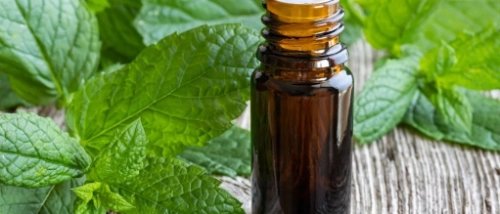
Peppermint oil

Peppermint oil

Peppermint oil is a strong-smelling essential oil that some believe acts as a natural, eco-friendly ant repellent.

Does peppermint oil get rid of ants?

Peppermint oil may deter ants, but you’ll only be ant-free temporarily. Its scent may temporarily mask the pheromone trails that ants use to communicate, but it does not eliminate the colony or prevent new infestations. While it may disrupt their navigation, ants will often find new paths.

tea tree oil

Tea tree oil

Tea tree oil is sometimes promoted as a home remedy for ants due to its antiseptic and insecticidal properties. However, it is not a guaranteed ant treatment. It also must be used in high concentrations to have any effect.

Does tea tree oil get rid of ants?

While tea tree oil can act as a natural ant-repellent, it does not ensure complete ant removal. Spraying a mixture of tea tree oil and water around entry points may deter some ants, but it will not address the root cause of an infestation.

Cayenne pepper

 Cayenne pepper

Cayenne pepper is believed to prevent ants from following scent trails, as is dish soap. While this may temporarily deter them, it does not provide a lasting ant control solution.

Does cayenne pepper get rid of ants?

Cayenne pepper may repel ants for a short time, but it does not eliminate them. For more effective ant treatment, professional pest control is recommended.

Clove oil

Clove oil

Clove oil is thought to contain compounds that can be toxic to ants, making it a possible ant-repellent. However, like other home remedies for ants, its effectiveness is limited.

Does clove oil get rid of ants?

Clove oil can kill ants upon direct contact, but it does not provide long-term ant control as it only addresses the visible ants, not the whole colony.

Eucalyptus oil

Eucalyptus oil

Eucalyptus oil is another essential oil that some believe acts as a natural ant-repellent. While its scent may deter ants, it does not eliminate a colony.

Does eucalyptus oil get rid of ants?

Eucalyptus oil may provide temporary relief from ants, but it does not offer a permanent ant treatment. If ants continue to return, professional ant removal services are the best solution.

What's the best way to get rid of ants naturally?

The best way to get rid of ants yourself is by using correct prevention techniques. Ant prevention techniques are a great DIY solution as they help make your home less appealing to ants and reduce the potential for an infestation to occur in the first place.

How to prevent ants:

  • Clear up any and all food and liquid spillage on countertops, floors, etc.
  • Sweep floors regularly to get rid of crumbs and other food debris.
  • Store food in airtight containers.
  • Block off any and all entry points by sealing cracks and in baseboards and around your property with caulk.

Of course, the most effective solution to get rid of ants is to enlist the help of pest control professionals. Although some DIY ant control solutions and home remedies may give the impression they are working (especially in the short term), they are often ineffective.

Western Exterminator has a range of services and solutions to fully eradicate an ant infestation from your property and can also protect your home and/or business from any future infestations that might occur. Have an ant problem? Get in contact with Western Exterminator today!

 What to do if DIY ant control doesn't work

If home remedies for ants fail to deliver lasting results, it may be time to consider professional ant control services. While natural ant repellents can provide temporary relief, they rarely address the root cause of an infestation. Professional-grade bait and traps can prove much more effective.

Professional exterminators like Western Exterminator take a more in-depth approach by identifying ant species, locating nests, and using targeted treatments to ensure long-term ant removal. With our year-round protection plan, PestFree365, we ensure your home or business remains protected from ants and other common pests.

If you're struggling to get rid of ants, contact Western Exterminator for expert assistance.

Frequently asked questions

No single method works best. Essential oils like peppermint and tea tree oil may deter ants, but they do not eliminate infestations.

Scents like peppermint, eucalyptus, and citrus can repel ants temporarily, but they do not solve an infestation.

A vinegar and water spray can disrupt scent trails quickly, but it does not remove the infestation.

Seal entry points, clean up spills, and store food properly. Natural repellents may help, but professional ant control is the most reliable solution.

Find your local branch

Enjoy pest-free living all year long with PestFree365+. See how our home pest control plan protects you and your family from 39 common pests.