Temps and termites are on the rise. Schedule your free inspection today.

800-937-8398 Call us for a free quote Contact us

Signs of termites in walls

Termites can stay hidden for months while causing damage inside your home. When they infest walls, it’s often difficult to spot them until the problem has spread. Knowing the signs of termites in walls can help you take action before the damage gets worse. Even small changes to your drywall can be an early clue of termites at work.

Signs of termites in drywall and walls

Termites in walls can be easy to miss, and some of the signs listed below, when spotted in isolation, may not indicate termites. However, when symptoms appear, it’s time to contact a professional. Early signs of termites in walls to watch for include:

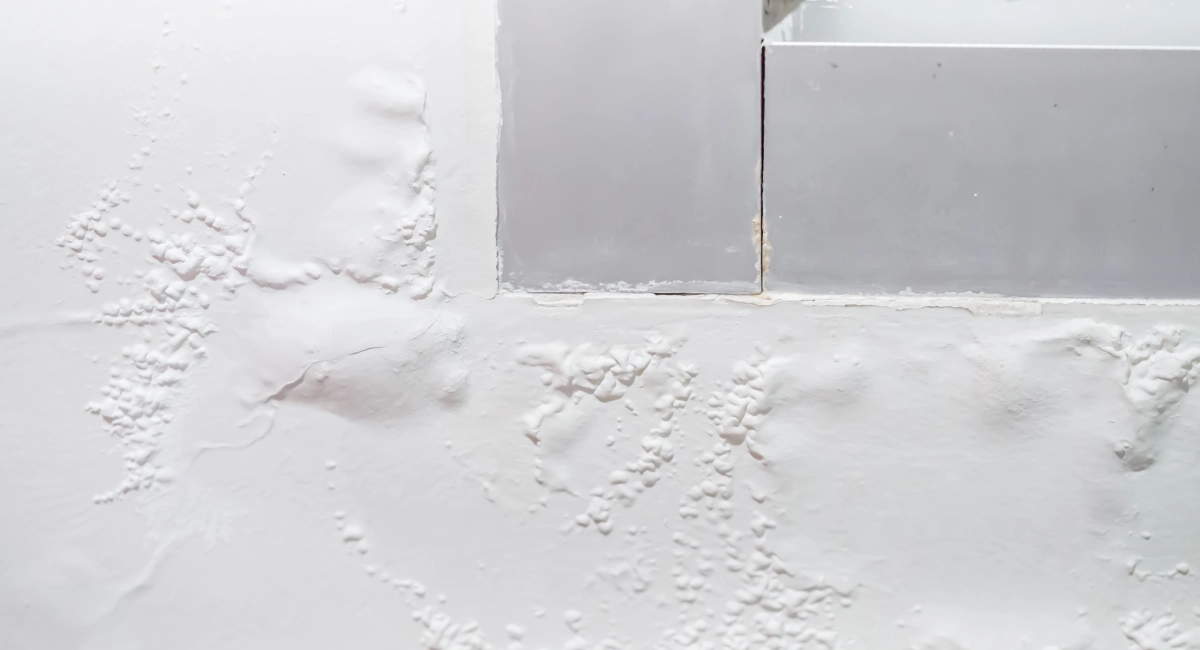
Look for faint cracks, bubbling or peeling paint, or small patches that look like water damage. Also, check for warping or sagging areas on walls.

Bubbling white paint on a wall

When tapping on the wall, listen out for any spots that sound slightly different - a bit more hollow - than others.

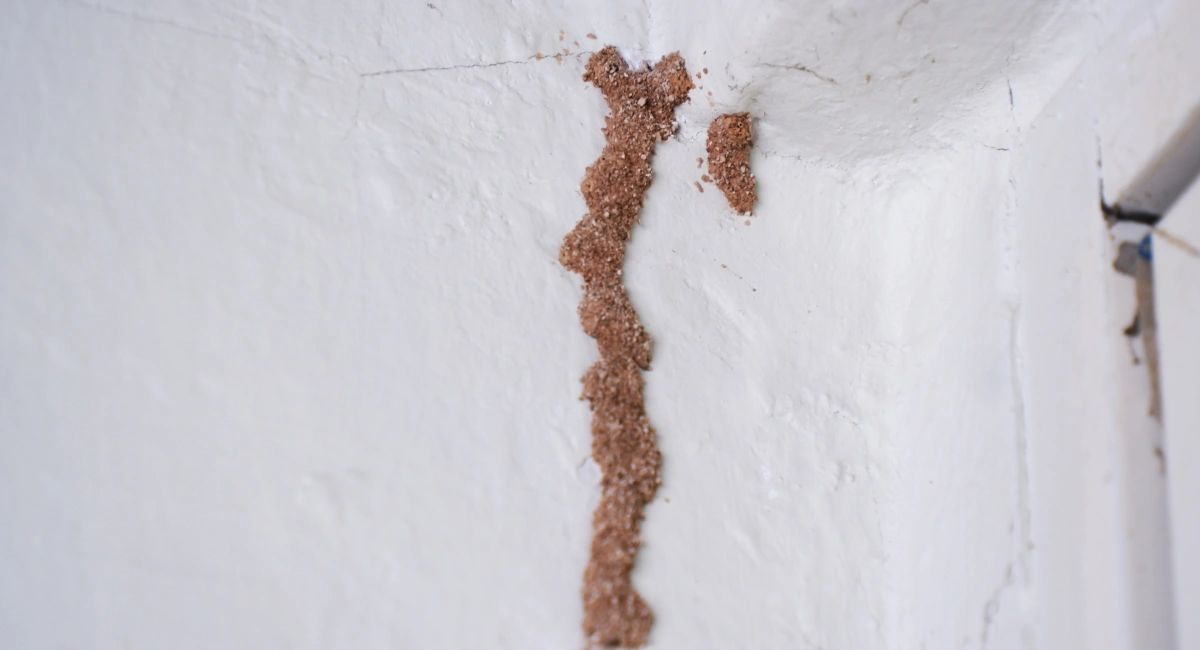
Look for thin mud tubes running along walls or baseboards.

A termite mud tube, brown, running up the face of a wall

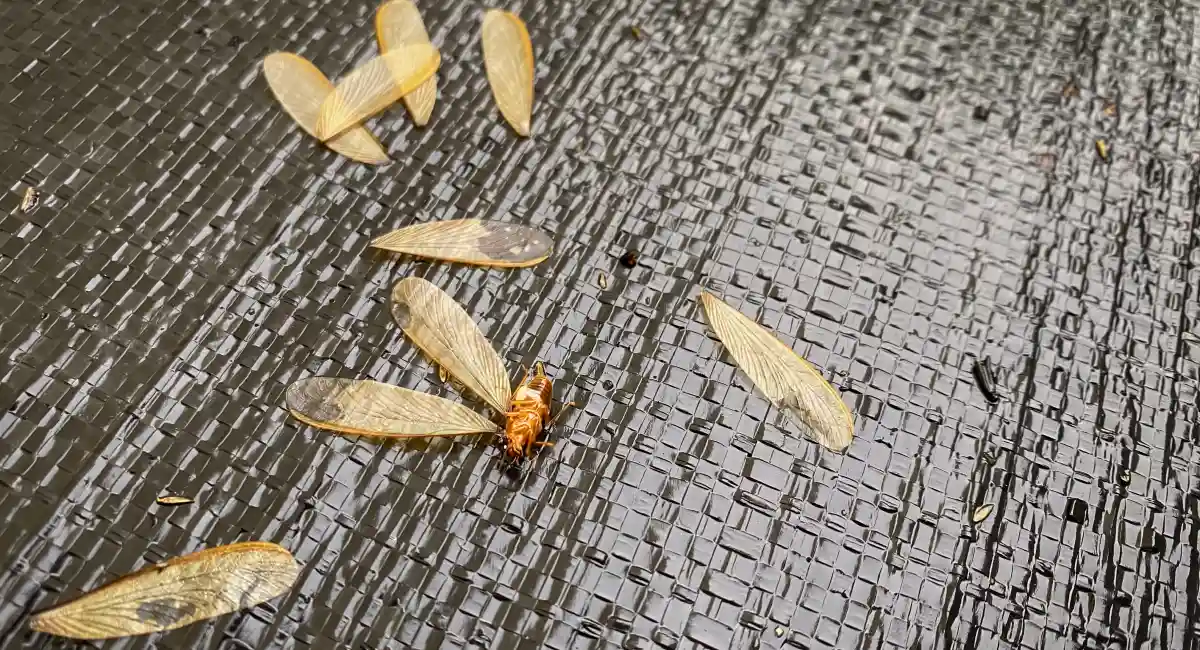
Small piles of discarded wings near windowsills can be a sign of a termite infestation.

A dead termite, next to a number of discarded, clear wings

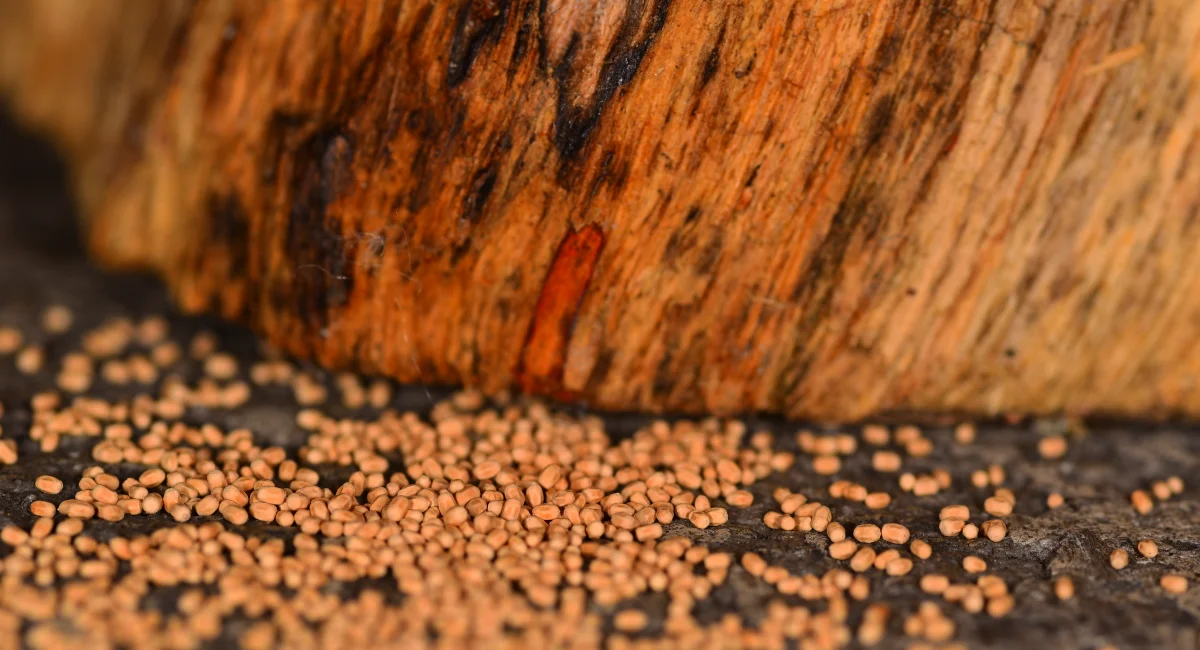
Piles of frass, termite droppings, which may look like small pellets in a range of different colors, are found near walls.

A close-up of termite frass - little brown pellets

Ceilings and attics can also show damage caused by hidden termites. Discover the signs of termite damage in ceilings and attics.

Termite holes in drywall

As they tunnel through, some species of termites sometimes leave behind small openings called “kick-out holes.” These exit holes are usually tiny, round, and clean-edged. They are different from nail holes or accidental dings, since they tend to appear in groups or near the base of walls. Termite exit holes and tunnels can be key indicators of a drywood or subterranean termite infestation.

Why termites in walls are a concern

Termites can cause significant damage before you even see them. Because they eat from the inside out, they can weaken drywall and wooden framing without leaving many visible clues. Over time, this hidden activity can compromise the structure of your home.

Spotting the problem early means you can address it before repairs become more costly. Finding termites in your home can be stressful, and for business owners, this can lead to both reputation damage and structural damage.

What to do if you suspect termites

If you think you’ve found termites in the walls, don’t ignore them. Cleaning up droppings or patching termite holes in drywall may hide the problem, but it won’t stop the infestation.

For lasting protection, it’s best to have our technicians inspect your property. We can confirm whether the damage is caused by termites and recommend the right termite control plan to help stop them.

Frequently asked questions

Yes. Termites don’t feed on the drywall itself, but they can eat the paper backing, leaving holes and hollow spots behind. Over time, this can weaken the surface, making it easier to crack or crumble.

Fresh signs of termites often include new holes, soft spots, or active mud tubes. Older damage may look dry or patched. If you’re unsure, a professional inspection can help confirm whether activity is current.

Find your local branch

Western Exterminator provides sector-specific commercial pest control to a wide range of industries. We know the challenges faced by businesses and the regulatory landscape.