Temps and termites are on the rise. Schedule your free inspection today.

800-937-8398 Call us for a free quote Contact us

What do termite holes look like?

Spotting termite holes can be one of the first clues that termites are active around your home. Termite exit holes can appear in wood or soil, depending on the species. However, they can be difficult to identify as the holes can easily be mistaken for those of other wood-boring insects. That’s why we always recommend an inspection by a pest control technician to confirm the cause of the problem.

For more signs of activity, read our guide to the 10 signs of a termite infestation.

Termite holes in wood

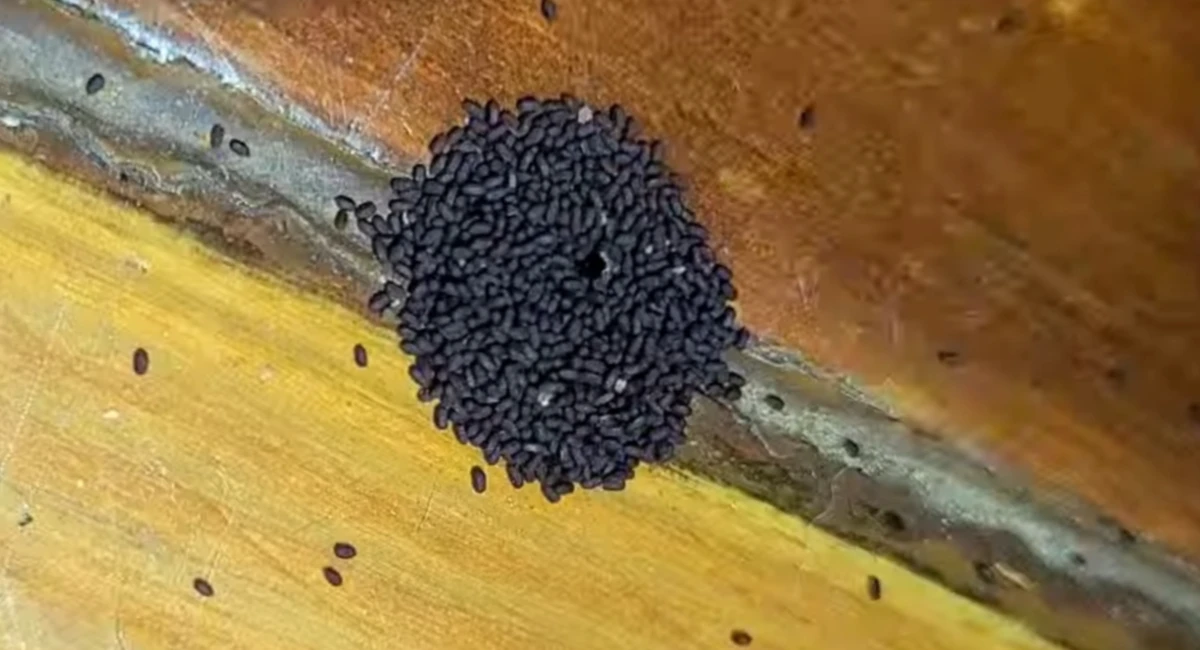
Holes in wood are often created by drywood termites. These can also be referred to as termite kick-out holes, because the insects use them to push out frass (droppings). Piles of this sawdust-like material near wood may be just as important to notice as the holes themselves.

But what do termite holes look like? Because species behave differently, the appearance of termite holes can vary:

A small pile of drywood termite frass - small, dark colored pellets - surround a drywood termite kick-out hole in some wood

Drywood termites often leave small, clean, and round kick-out holes paired with piles of frass. These are usually no larger than 1/8 of an inch in diameter.

Subterranean termites create exit holes and pack them with mud. This species also builds mud tubes and tunnels. You may also see termite holes in dirt near the soil line.

Dampwood termites make larger openings in moist, decayed wood, which can look irregular compared to drywood termite holes.


To learn more about identifying the signs of termites, see our guide to identifying termite droppings and frass, or check out our termite identification guide to learn more about these species.

We can help with termites

Finding a termite hole can mean there’s more going on beneath the surface. Our local technicians know how to thoroughly inspect your property, confirm which species is active, and explain the treatment options available. It may be that another pest entirely - like carpenter ants - has caused the holes. Our technicians can confirm which pest you’re dealing with.

Depending on what we find, we may recommend liquid treatments to create a protective barrier, bait systems, or fumigation treatments for severe drywood infestations. With our experience and knowledge of local termite behavior, we can provide solutions tailored to your property.
 

Frequently asked questions

They are usually small, round openings no larger than 1/8 of an inch. The size, shape, and location may vary depending on the termite species. Drywood termites tend to leave neat, round holes, while dampwood species may create larger, irregular openings.

Termite holes are not always visible. Subterranean termites often stay hidden and may build mud tubes, as well as create exit holes and pack them with mud. This makes professional inspection important, since our technicians know where to look for subtle signs.

No. Covering the holes won’t stop the infestation and may hide the signs that professionals need to see. Our technicians can assess the activity and recommend the right treatment, such as liquid applications, baits, or fumigation if needed.

Find your local branch

Western Exterminator provides sector-specific commercial pest control to a wide range of industries. We know the challenges faced by businesses and the regulatory landscape.