Temps and termites are on the rise. Schedule your free inspection today.

800-937-8398 Call us for a free quote Contact us

Understanding the termite colony

A termite colony is more than just a group of insects feeding on wood. It is a highly organized system made up of different castes, each with a role that keeps the colony running. Learning about the termite colony structure helps explain why these pests are so persistent and difficult to control.

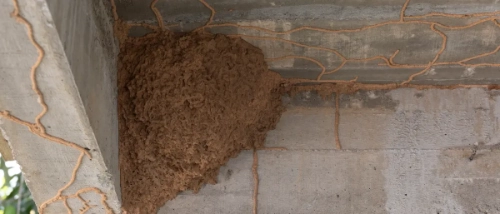
A termite nest on the ground with multiple mud tubes

What does a termite colony look like?

From the outside, a colony of termites may appear as a nest built from soil, wood, or a combination of both. Subterranean termites create large underground nests connected to mud tubes, while drywood termites live directly inside wood. Depending on the type of termite, a termite colony in the house (in beams, walls, or furniture) may stay hidden for years.

How many termites are in a colony?

The size of termite colonies can vary widely. A small colony may start with only a few dozen termites, but over time it can grow into the thousands or even millions. The number of termites largely depends on the species, environmental conditions, and the age of the colony. Mature subterranean colonies, for example, often number in the hundreds of thousands.

The roles within a termite colony

Each termite has a specific job:

  • Workers are responsible for foraging, nest building, creating tunnels, and caring for the young.
  • Soldiers defend the nest from predators like ants.
  • Reproductives, including the king, queen, and alates (winged swarmers), ensure the growth of the colony.

As with ant colonies, this division of labor is what makes the termite colony system resilient and long-lasting.

We can help eliminate termite colonies

Our team of local technicians can identify species and colonies, target the source, and provide treatments that help eliminate them. Find out more about our expert termite control.

Frequently asked questions

Some termite colonies can survive for more than a decade if left undisturbed. Queens are capable of producing thousands of offspring each year, allowing the colony to grow steadily.

Yes. Colonies may expand into new timbers, furniture, or other cellulose-rich areas as they outgrow their original nest.

Signs of a termite infestation include discarded wings, mud tubes, piles of frass, and hollow-sounding wood. A professional inspection is the most reliable way to confirm a colony is present.

Find your local branch

Western Exterminator provides sector-specific commercial pest control to a wide range of industries. We know the challenges faced by businesses and the regulatory landscape.