© 2026 Rentokil Initial plc and subject to the conditions in the Legal statement
Key takeaways
- Opossums are attracted to food sources like trash, pet food, and gardens, and may seek shelter in garages, under porches, or sheds.
- Opossums are known for “playing dead” and tend to avoid confrontations.
- The likelihood of opossums carrying rabies is extremely low. They can carry other diseases such as eptospirosis, coccidiosis, and tularemia.
- If you see an opossum on your property, it’s best to leave it alone. Prevention tips like securing garbage bins, sealing entrances, and cleaning up your yard can help keep them out.
Opossums sometimes venture too close to our homes for comfort. Many people might wonder, "Are opossums dangerous?" To answer that question, it's essential first to understand why they come near our homes in the first place. Opossums are typically attracted by the availability of food sources such as pet food, trash, or gardens, which provide easy meals. They may also seek shelter in garages, under decks, or in sheds, drawn by the warmth and safety these areas offer.
Despite their somewhat unsettling appearance, opossums are generally not aggressive and play a crucial role in controlling pests. However, it's still important to consider when you might need wildlife removal services for your property.
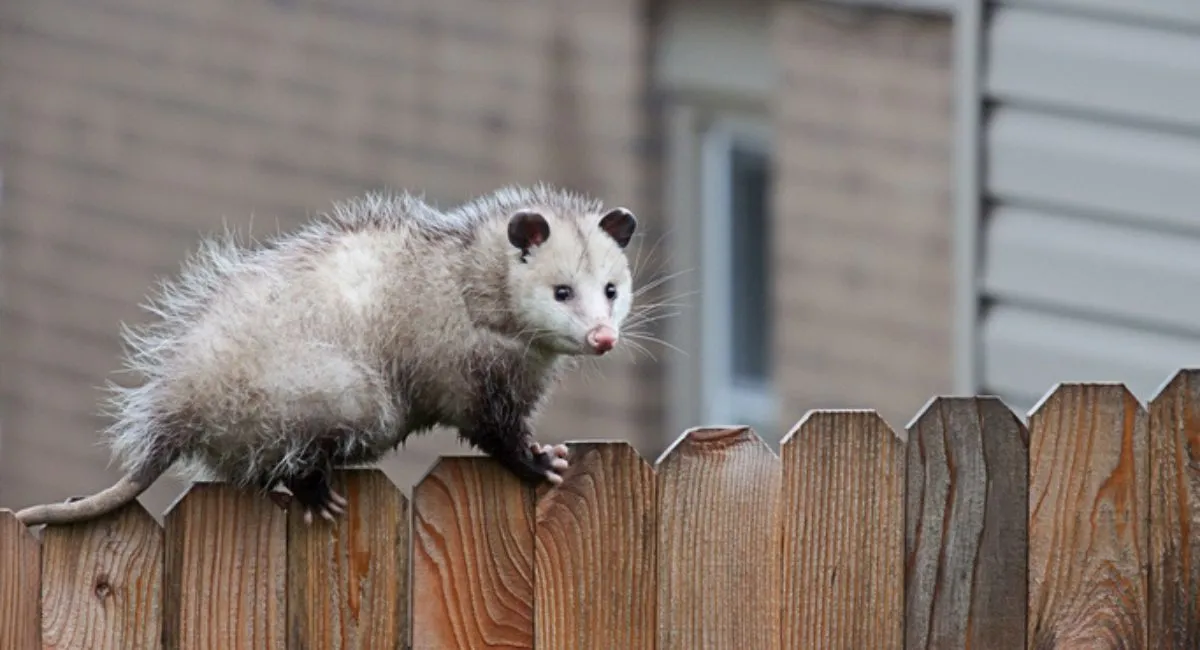
How opossums interact with people and pets
Opossums are known for “playing dead," a behavior known as thanatosis, where they mimic the appearance of a dead animal as a defense strategy. This reaction is typically a last resort when they feel threatened. In contrast to this passive behavior, opossums may also respond more aggressively by hissing or growling, showcasing their teeth as a warning to potential threats.
While they tend to steer clear of confrontations and seek escape whenever possible, it’s crucial to understand that their natural instinct is to avoid conflict.
Are opossums aggressive or threatening?
Opossums are generally not aggressive or threatening animals, leading many to question, "Are opossums dangerous to humans?" These animals are known for their docile nature and tend to avoid confrontations. In most cases, they prefer to flee rather than confront a perceived threat.
When it comes to their interactions with pets or children in outdoor spaces, opossums usually do not pose any danger. While opossums can bite if they feel threatened, such instances are quite rare.
Do opossums carry rabies or other diseases?
Opossums can carry several diseases, including rabies, leptospirosis, coccidiosis, and tularemia. However, the likelihood of opossums carrying rabies is extremely low compared to other mammals, as their body temperature is generally too low to support the virus. Leptospirosis can be transmitted through contact with the urine of infected animals, while coccidiosis is spread through contaminated feces. Tularemia, a less common disease, can be spread through contact with infected animals. It’s essential to practice caution and avoid handling wildlife to reduce the risk of transmission of these diseases.
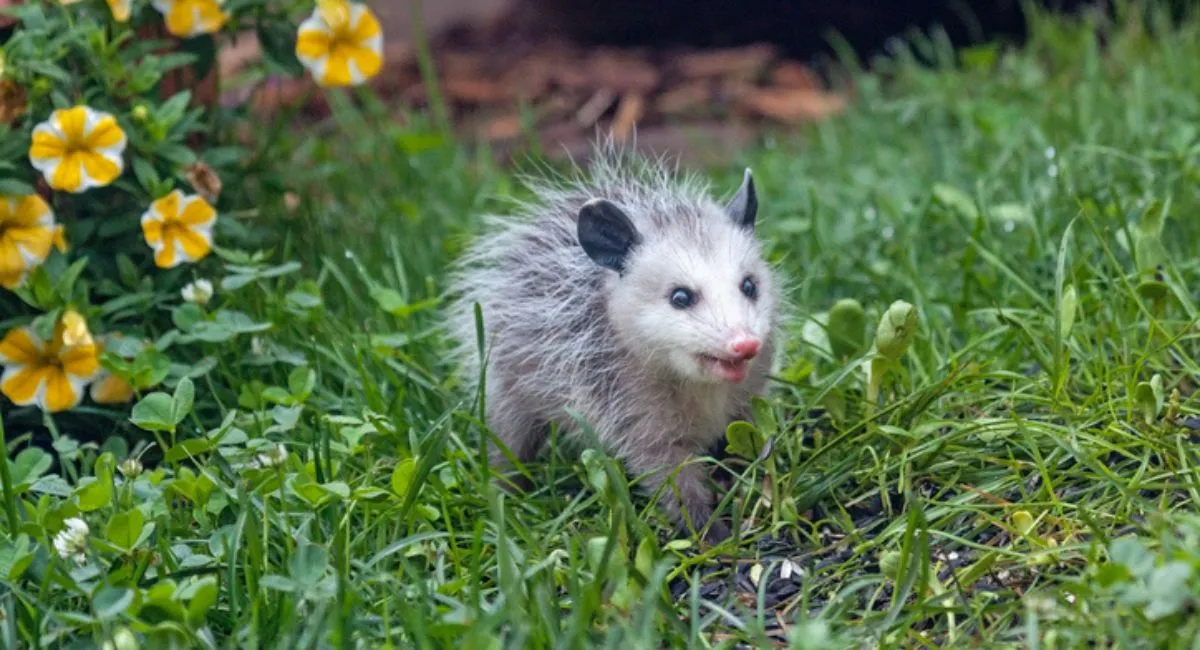
Is having opossums near your home bad?
Having opossums near your home can actually be beneficial. On the positive side, opossums are natural pest controllers; they consume large quantities of insects, including ticks, as well as carrion, which helps keep the environment cleaner and reduces the spread of disease.
On the flip side, opossums may occasionally rummage through your trash and create a mess. However, their impact is generally minimal, and they typically cause little to no structural damage.
Overall, the pros of having opossums around—especially their role in controlling pests and cleaning up waste—often outweigh the cons related to minor disturbances.
What to do if you see a possum
Although opossums are not harmful, it’s important to use caution if you encounter one. If you find an opossum on your property, here are some actions to take:
- Stay calm: Opossums are generally non-aggressive and more likely to flee than confront. Give the animal space.
- Observe from a distance: Take note of the opossum's behavior. If it's hiding or playing dead, it's likely feeling threatened.
- Do not approach: Avoid getting too close, as stressed animals may bite if they feel cornered.
- Secure pets: Keep dogs and cats indoors or leashed to prevent them from confronting the opossum.
- Leave it alone: If the opossum is in your yard but not causing any harm, it's often best to leave it alone. They are beneficial for the ecosystem and help control pests.
How to help keep opossums away
Now that we’ve answered, “Are opossums dangerous?”, you can rest easy the next time one of these critters finds its way to your property. However, if you want to keep them out, there are a few steps you can take.
- Secure trash bins: Use animal-proof trash cans with tight-fitting lids to prevent opossums from scavenging.
- Remove pet food: Don’t leave pet food outside overnight. Bring in dishes after feeding and keep them indoors.
- Clean up outdoor areas: Regularly pick up fallen fruits, nuts, and seeds from gardens or yards, as these attract opossums.
- Seal entrances: Block off any holes or gaps under decks, porches, or sheds where opossums might find shelter.
- Trim vegetation: Keep shrubs and trees trimmed back to reduce hiding spots and nesting areas.
While many people can effectively implement these preventive strategies, it’s important to recognize that professional wildlife control services are the best option for more persistent issues.
The experts at Western Exterminator have the tools and knowledge to safely and humanely remove opossums while providing long-term solutions to help prevent their return. Contact us today for your wildlife control needs!
Schedule your free pest inspection today
Get peace of mind knowing your home or business is protected. A Western Extermiantor specialist will assess your property and recommend customized solutions.
Book your free pest inspection today
Our local technicians will assess your property and recommend tailored solutions. Fast, friendly, and completely obligation-free.
- Targeted treatments applied safely and responsibly
- Local experts, fast response
- Trusted, trained technicians