© 2026 Rentokil Initial plc and subject to the conditions in the Legal statement
Updated on: August 12, 2026
Arizona is one of the most termite-active states in the country. With a warm climate and dry desert conditions, it's an ideal environment for several termite species. They can cause structural damage before you even know they're there, and are estimated to cost U.S. property owners billions of dollars a year. Knowing which species are common in Arizona and what to look out for is your first line of defense.
Subterranean termites in Arizona
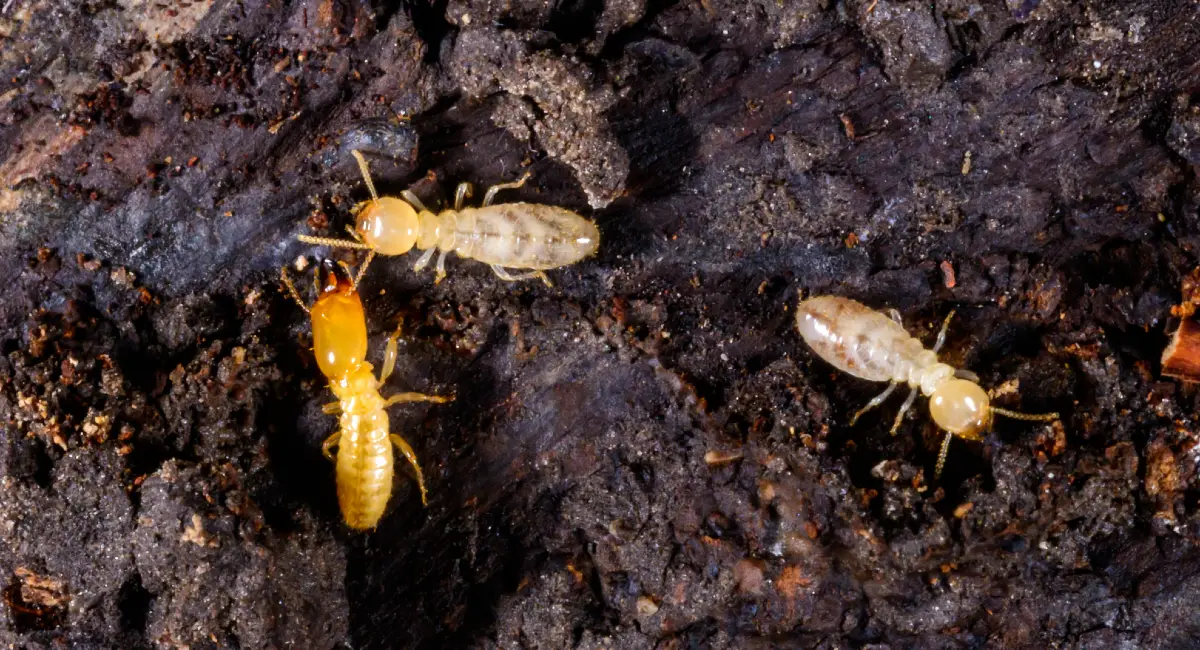
Subterranean termites are the most common termite type in Arizona and cause the most structural damage. They nest underground and travel to wood through mud tubes. Several species are active in the state, including the desert subterranean termite (which doesn't need moisture to survive) and the arid-land subterranean termite, the most widespread species in Arizona. When natural food sources run low, both will turn to homes and other structures.
- Dangers: Rapid, widespread structural damage; colonies can spread across up to an acre
- Where they live: Underground, in soil close to wood sources; travel via mud tubes
- Swarming season: July–September (monsoon season); January–March below 4,000 ft elevation; June–July above 4,000 ft
- Prevention: Remove wood-to-soil contact around your home; seal foundation cracks; address moisture issues
Drywood termites in Arizona
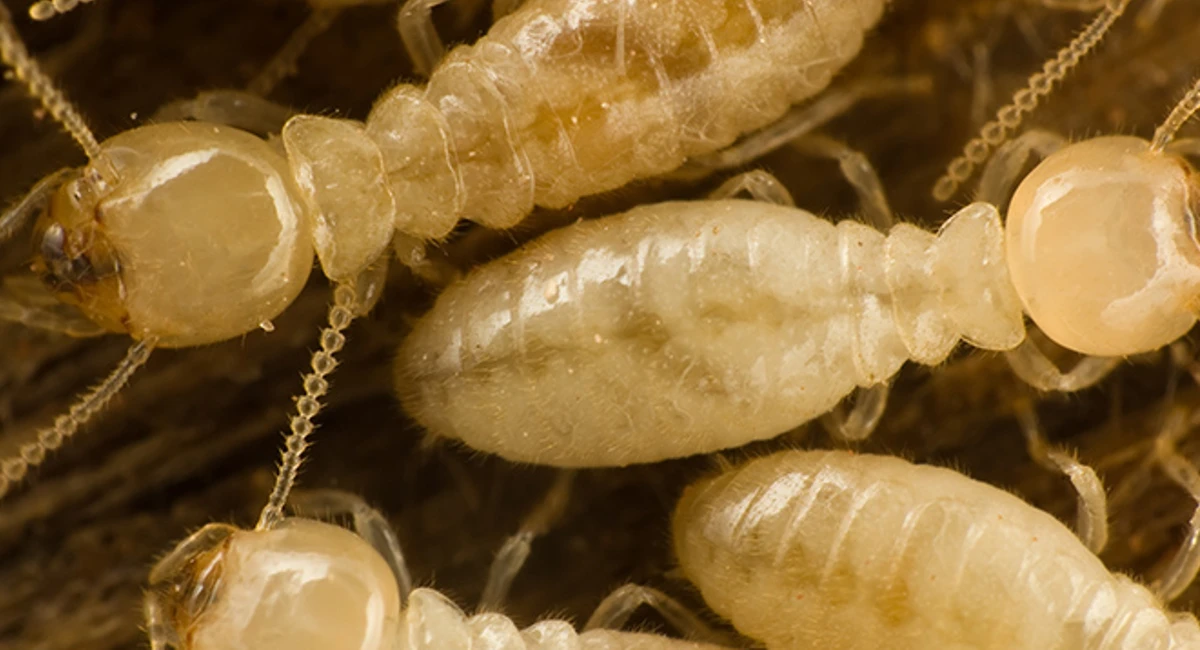
Unlike subterranean termites, drywood termites don't need soil or moisture. They live directly inside the dry wood they eat. That makes them harder to spot and can mean they’re more expensive to treat. They commonly infest structural timber, window frames, door frames, and wooden furniture. One telltale sign is small piles of hardened fecal pellets (called frass) near wooden surfaces. For a confirmed drywood infestation, termite tenting is often the most effective solution.
- Dangers: Can damage furniture, structural wood, and fixtures; infestations can go undetected for years
- Where they live: Dry wood above ground: attics, window frames, door frames, furniture, decks
- Swarming season: Typically late summer and fall
- Prevention: Seal exposed wood surfaces; inspect wooden furniture before bringing it indoors; schedule regular termite inspections
Dampwood termites in Arizona

Dampwood termites are the least common of the three in Arizona, but they can still cause problems, particularly to wood in contact with moisture or soil. They're most often found in tree roots, fence posts, and other wooden structures that extend below ground. Their presence is usually a sign of an underlying moisture issue worth addressing.
- Dangers: Can damage fence posts, tree roots, and wooden structures in contact with damp soil
- Where they live: Moist or decaying wood, often below ground or near water sources
- Swarming season: Late summer, typically after rain
- Prevention: Fix leaks and drainage issues; replace or treat wood in direct contact with soil; remove decaying wood from your yard
Termite swarms in Arizona
Termite swarms are one of the most visible signs that a colony is nearby. Swarms happen when winged reproductive termites — known as flying termites, or alates — leave an established colony to mate and start new ones. You'll often spot them near light sources, windows, and doorways.
In Arizona, swarming activity varies by species and elevation:
- Subterranean termites swarm during monsoon season (July–September), or January–March at lower elevations
- Drywood termites typically swarm in late summer and fall
- Dampwood termites tend to swarm after rain in late summer
Seeing a swarm doesn't always mean your home is infested, but it does mean termites are active nearby. If you spot winged termites indoors, that's a stronger signal that a colony may already be established inside your property.
Termite control in Arizona with Western Exterminator
If you suspect termite activity, our local Arizona teams are ready to help. Our technicians are trained across all three termite types common to the state and know how to identify the signs, locate the source, and recommend the right course of action for your property.
We offer a range of termite treatment services, from targeted spot treatments to full fumigation services for more severe infestations. Every plan starts with a thorough inspection, so we understand exactly what we're dealing with before recommending next steps.
Schedule your free pest inspection today
Get peace of mind knowing your home or business is protected. A Western Extermiantor specialist will assess your property and recommend customized solutions.
Book your free pest inspection today
Our local technicians will assess your property and recommend tailored solutions. Fast, friendly, and completely obligation-free.
- Targeted treatments applied safely and responsibly
- Local experts, fast response
- Trusted, trained technicians