© 2026 Rentokil Initial plc and subject to the conditions in the Legal statement
Updated: June 18, 2026
Quick overview
- Female mosquitoes bite to feed on blood — males do not.
- They breed in standing water and are most active at dusk and dawn
- OLE is the only plant-derived option with EPA-recognized effectiveness
- Removing standing water around your home is the most effective DIY step
- For persistent problems, professional mosquito control is the most reliable solution.
Natural mosquito repellents are everywhere, but do they actually work? With so many claims circulating online, it can be hard to know what's worth trying and what's just wishful thinking. This guide separates fact from fiction, covering which natural options have evidence behind them, which are largely overstated, and what you can do to protect your home and yard from mosquitoes this season.
What attracts mosquitoes?
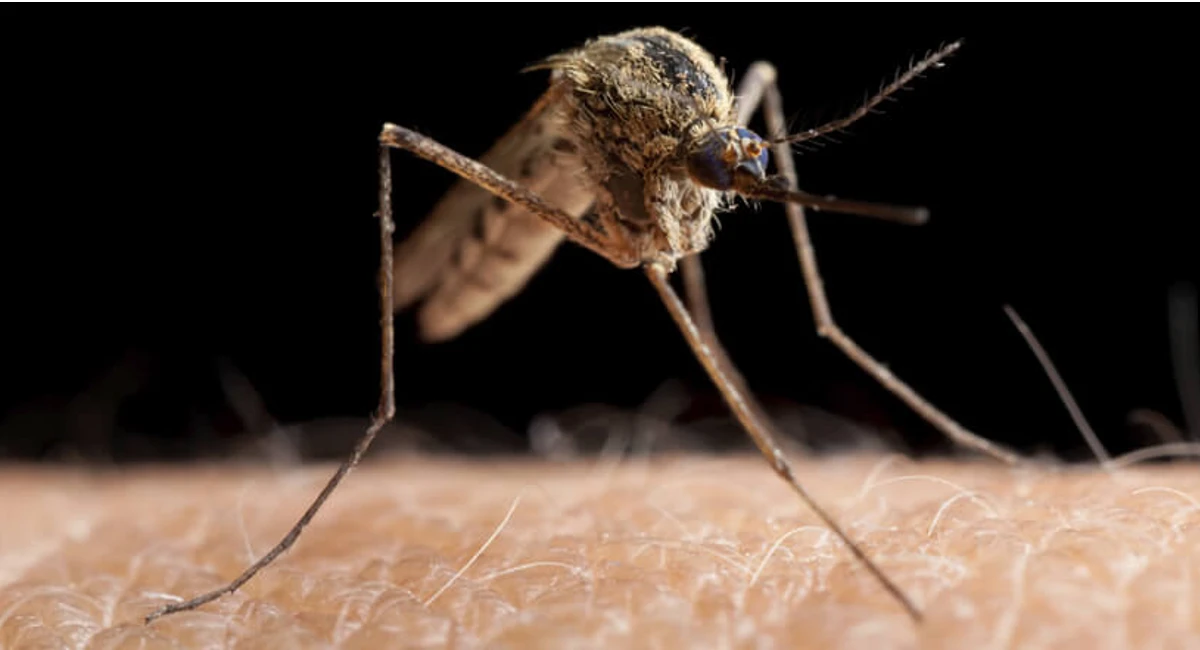
Like a tiny vampire, a female mosquito is looking for mammal blood. These insects use the blood for reproductive purposes, laying eggs in any standing water they can find. The males come along and fertilize the eggs, and soon the larvae hatch into a new population of mosquitoes.
Mosquitoes find humans because they have specially adapted senses that allow them to sense sweat and the exhalations of mammals. So, the more you sweat, the more you breathe out, the more likely you are to attract mosquito bites.
However, you also attract more mosquitoes by having thick, wet, grass around your home. If you have ponds or live near standing water, you are more likely to find yourself surrounded by mosquitoes. Mosquitoes will also find sweet things like fruit or other substances attractive around your property.
Plant-derived mosquito repellents
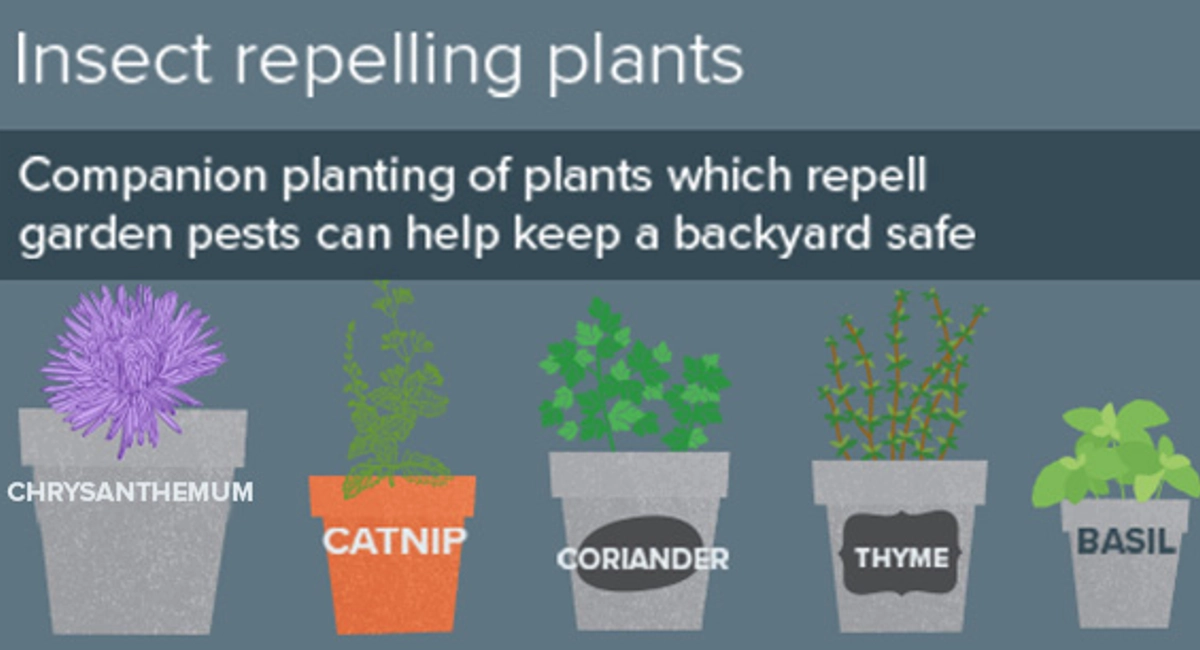
Certain plants are often believed to help prevent mosquitoes around outdoor areas. While they may not solve the problem on their own, placing these plants around patios, entryways, or gardens could have a small effect in supporting your mosquito control efforts.
Here's a look at the top four, what makes them work, and how to use them.
Lemon eucalyptus oil
This one stands out from the crowd. Oil of lemon eucalyptus (OLE) is recognized as one of the few plant-derived repellents with proven effectiveness. The active compound works by masking the body signals that draw mosquitoes in, like carbon dioxide and lactic acid.
One thing to note: OLE is not the same as lemon eucalyptus essential oil. The essential oil hasn't been tested to the same standard, so look for products that specifically list OLE as the active ingredient. It's also not recommended for children under three.
Catnip
Catnip is a surprisingly effective mosquito deterrent. The plant contains a compound called nepetalactone, which is released when the leaves are crushed.
You can grow it near outdoor seating or crush a few leaves and place them nearby. The catch? If you have cats, they'll probably get to it first. And like most plant-based options, the effect is short-range and won't last long without reapplication.
Citronella oil
Citronella is probably the name most people think of when it comes to natural mosquito repellents. Derived from lemongrass, it works by masking the scents that help mosquitoes find a host. You'll find it in candles, torches, sprays, and wristbands.
Citronella candles can help reduce mosquito activity in a small, sheltered area. The problem is that outdoors, especially on a breezy evening, the scent disperses quickly, and the effect fades fast. It's a nice addition to a backyard setup, but it works best as one layer of protection rather than the whole plan.
Lavender oil
Lavender has a strong, distinctive scent that mosquitoes tend to avoid. The compounds responsible, linalool and linalyl acetate, interfere with a mosquito's ability to locate its host. Growing lavender in your garden can help deter mosquitoes from settling nearby, and diluted lavender oil can be applied to skin or used in an outdoor diffuser.
It's one of the gentler options on this list and is generally well-tolerated. That said, like the others, it works best as a supporting measure.
Natural DIY methods to repel mosquitoes from your backyard
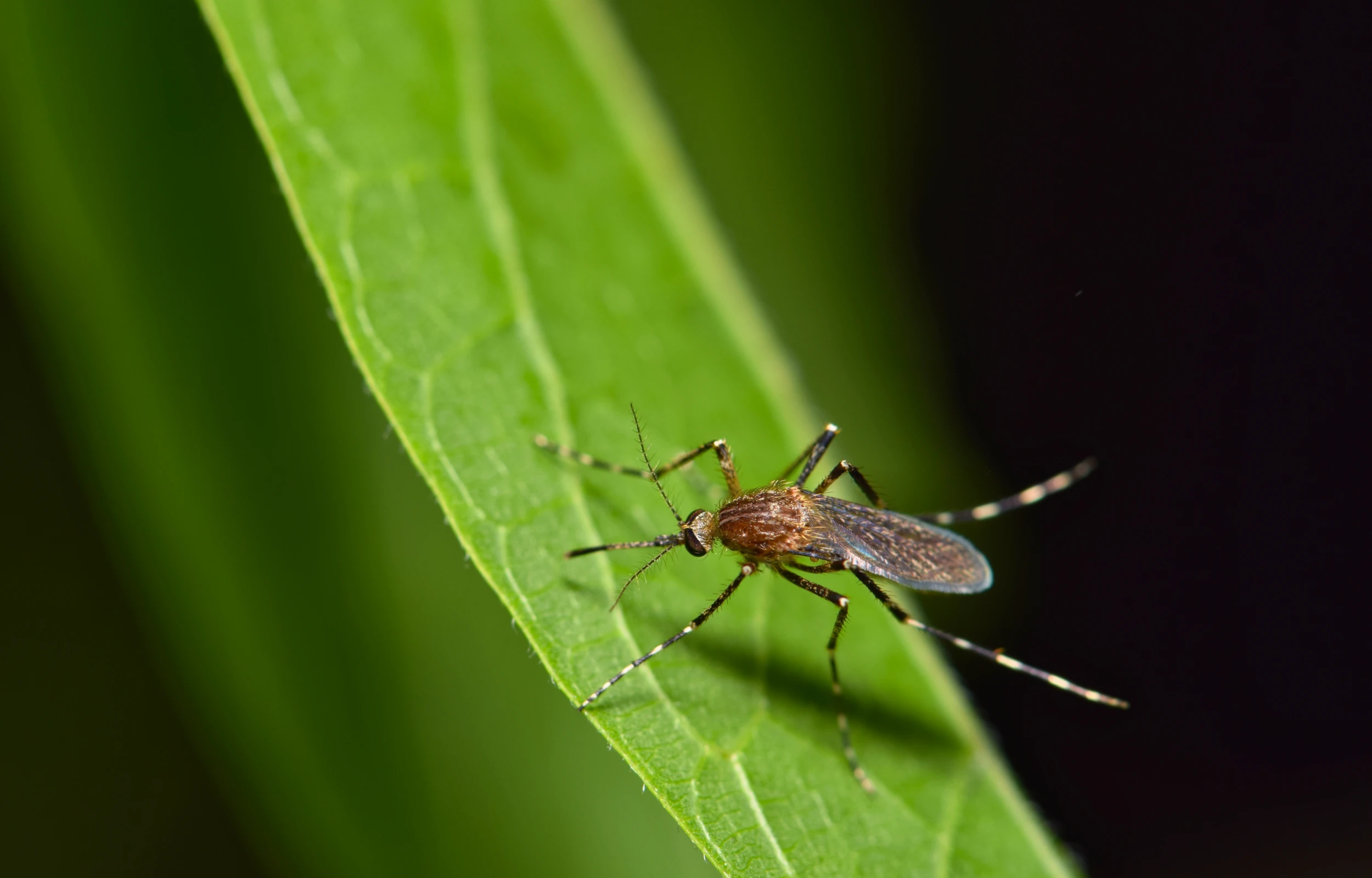
There are some practical steps you can take to make your outdoor space less inviting to them. None of these are a complete fix on their own, but used together, they can make a real difference.
Citronella grass
You've probably seen citronella in candles and sprays, but the plant itself is worth considering, too. Citronella grass is a tall, fast-growing plant that produces the same oils used in those products. When the leaves are brushed or crushed, they release a strong scent that mosquitoes find off-putting.
Plant it in pots near seating areas or along the edges of your patio. It grows best in warm, sunny spots and can get quite large, so give it room. It won't create a mosquito-free zone, but it adds a natural layer of deterrence right where you spend time outdoors.
Scented geraniums
Scented geraniums, particularly the lemon-scented varieties, are a popular choice for natural mosquito deterrence. They release a citrusy fragrance that mosquitoes tend to avoid, especially when the leaves are touched or disturbed.
They're easy to grow in containers, which makes them flexible. Move them around your patio or deck to wherever you need them most. As a bonus, they look great and smell pleasant to most people, even if mosquitoes disagree.
Citrus plants
Mosquitoes are not fans of citrus. Lemon, lime, and orange trees all produce strong scents that can help deter them from settling nearby. Even if you don't live somewhere warm enough to grow full-sized citrus trees outdoors year-round, dwarf varieties in large pots can work well on a patio or deck during warmer months.
Rubbing citrus peel directly on skin can offer a short burst of protection too, though this wears off quickly. As a garden addition, citrus plants are more about creating an environment mosquitoes prefer to avoid rather than eliminating them entirely.
Removing standing water
This one is less glamorous than planting a garden, but it's probably the single most effective thing you can do. Mosquitoes breed in standing water, and they don't need much of it. A bottle cap's worth can be enough.
Walk your yard and look for:
- Clogged gutters holding water
- Birdbaths that aren't refreshed regularly
- Plant saucers, buckets, or tarps collecting rainwater
- Low spots in the lawn where puddles form
Empty or refresh these regularly. If you have a water feature you want to keep, consider adding a pump to keep the water moving. Mosquitoes can't lay eggs in moving water.
Trimming overgrown vegetation
During the day, mosquitoes rest in cool, shaded, damp spots. Overgrown shrubs, tall grass, and dense ground cover give them exactly that. Keeping your yard well-maintained removes a lot of their preferred resting spots.
Mow regularly, trim back bushes, and clear out leaf piles and yard debris. It won't stop mosquitoes from flying in, but it reduces the number that stick around. Pair this with standing water removal, and you're already cutting down on two of their biggest needs.
Installing fans
This one surprises a lot of people, but it works. Mosquitoes are weak fliers. A steady breeze from an outdoor fan makes it much harder for them to navigate toward you, and it also disperses the carbon dioxide and body heat that attract them in the first place.
Set up one or two fans aimed at your seating area when you're spending time outside. It's a simple, chemical-free way to reduce bites during backyard gatherings. It won't do anything when you're not out there, but as a situational fix, it's one of the more underrated options on this list.
Are natural mosquito repellents effective?
Natural mosquito repellents may help reduce activity temporarily, especially in small outdoor areas. That said, they usually don't offer the same level of protection or coverage as other control methods. It's also worth keeping in mind that mosquitoes are known carriers of diseases, which is reason enough not to rely solely on plants and candles.
For a mosquito infestation, it’s important to go beyond short-term fixes. To address the root cause and help prevent mosquitoes from coming back, professional pest control is recommended.
Western Exterminator stops mosquitoes
Of course, the one method that is truly effective is using DEET sprays. Also, using treatments that eliminate mosquitoes at all life stages and then leave a chemical treatment behind which will continue to prevent them from finding places to hide during the day.
The first step for a mosquito-free spring or summer in your yard is to contact your local Western Exterminator office today.
Schedule your free pest inspection today
Get peace of mind knowing your home or business is protected. Our technicians will assess your property and recommend customized solutions.
Book your free pest inspection today
Our local technicians will assess your property and recommend tailored solutions. Fast, friendly, and completely obligation-free.
- Safe, targeted treatments
- Local experts, fast response
- Trusted, trained technicians