© 2026 Rentokil Initial plc and subject to the conditions in the Legal statement
Gutters are supposed to move rainwater away from your home. But when they collect leaves, roof grit, standing water, and organic buildup, they can become long, narrow habitats for insects.
Some bugs end up there by accident. Others move in because the conditions are exactly what they need: moisture, shelter, and a steady supply of decomposing debris.
Most common gutter-bugs
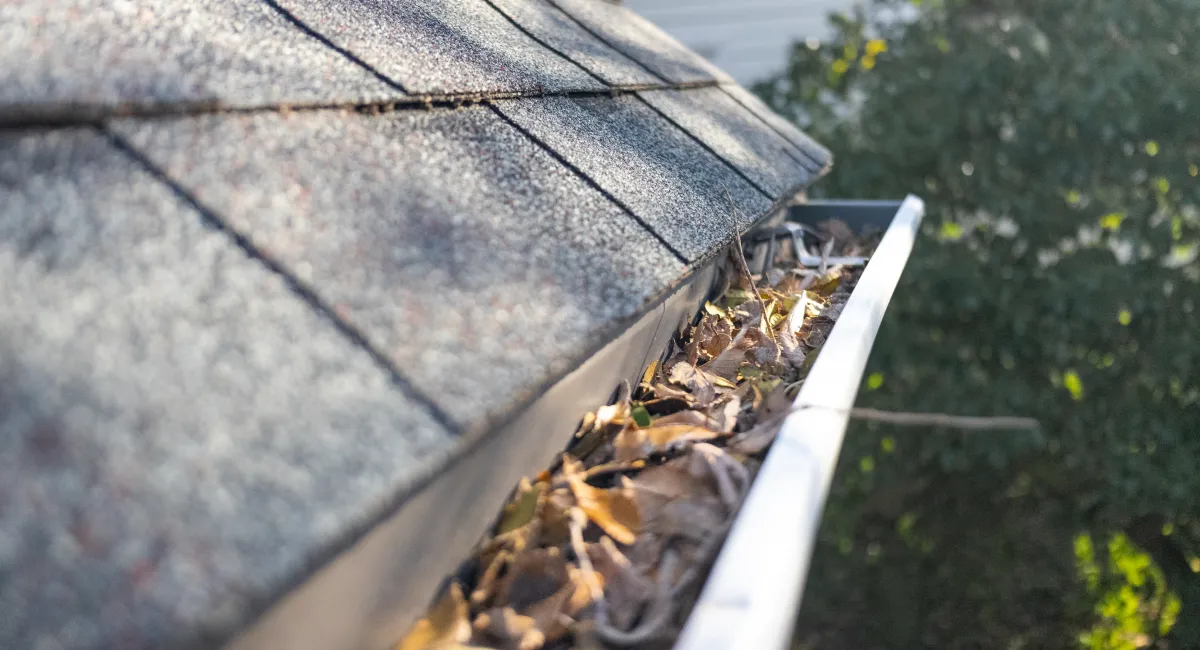
If you’re noticing insects around your roofline or you’ve found bugs when cleaning your gutters, here are the most common types you may encounter.
Mosquitoes
Mosquitoes are one of the biggest concerns with clogged gutters. If water sits for more than a few days, it can become a breeding site. Even a small amount of standing water trapped by leaves can support mosquito larvae. This is especially common when downspouts are blocked or gutters sag and hold puddles.
Ants
Ants may travel through gutters because they function like a protected highway along the edge of the roof. Some species will also nest in gutter debris if it stays dry enough, especially where leaves have built up into a thick layer. If ants are consistently in the gutter, it can also be a sign they’re scouting routes toward attic spaces or wall voids.
Cockroaches
Cockroaches prefer dark, protected, damp areas, and clogged gutters can provide exactly that. Outdoor roaches may hide in wet leaf buildup during the day and become active at night. While gutters aren’t usually the main source of an indoor roach problem, they can support roach activity close to entry points like vents, eaves, and gaps around the roofline.
Earwigs
Earwigs are attracted to moisture and decaying plant material, which makes gutters a natural hiding place when debris accumulates. They often shelter in damp crevices during the day and feed at night. If you find earwigs in your gutters, it usually means the gutter is staying wet and holding organic matter.
Stink bugs and other occasional invaders
Some insects use gutters as a resting or overwintering spot because the roofline provides warmth and protection. Stink bugs and similar “occasional invaders” may be found tucked into debris or hiding near gutter joints and fascia boards. Their presence is often seasonal, peaking in the fall.
Wasps and paper wasps
Wasps don’t live in the gutter itself as often as they build around it. It’s common to find paper wasp nests attached under the eaves, near gutter brackets, or along fascia boards. Gutters provide them with a sheltered ledge and a consistent surface to build against, and nearby standing water can also attract them.
Spiders
Spiders are usually in gutters for one reason: food. Where insects gather, spiders follow. You may see webs anchored to gutter corners, downspouts, or nearby soffits. The presence of spiders isn’t always a sign of clogged gutters”, but heavy spider activity often aligns with heavy insect activity.
Flies and drain-type insects
If your gutters are packed with decomposing leaves and sludge, you may see small flies, gnat-like insects, or other scavenger insects that feed on organic buildup. These insects are more likely when gutters are consistently wet, and the debris has begun to break down into a muddy layer.
What bugs in your gutters usually indicate

In most cases, gutter insects point to one of three issues: standing water, built-up organic debris, or a consistent moisture problem along the roof edge. The more clogged the gutter, the more likely it is to support breeding insects like mosquitoes, and provide shelter for pests like earwigs and roaches.
To help prevent this, clean gutters regularly by removing leaves and sludge by hand (with gloves) or using a gutter scoop, then flushing the gutter with a hose to confirm water flows freely to the downspout. If water backs up, clear the downspout clog with a plumber’s snake or a high-pressure nozzle attachment. Finally, trim back overhanging branches and consider installing gutter guards to reduce debris buildup between cleanings.
If you’re noticing persistent insect activity around your gutters or roofline, a professional inspection can help identify the source and prevent the problem from spreading. Call us on 800-937-8398 or fill out our online contact form.
With spring here, it's time for home projects, and some simple improvements can reduce the chance of pests as the weather warms. Check our list of must-do items to keep pests away.
Schedule your free pest inspection today
Get peace of mind knowing your home or business is protected. Our technicians will assess your property and recommend customized solutions.
Book your free pest inspection today
Our local technicians will assess your property and recommend tailored solutions. Fast, friendly, and completely obligation-free.
- Targeted treatments applied safely and responsibly
- Local experts, fast response
- Trusted, trained technicians