© 2026 Rentokil Initial plc and subject to the conditions in the Legal statement
You’ve probably heard the nightmare scenario: you wake up in the middle of the night, and you’re convinced something crawled into your ear. It’s one of those fears that spreads fast because it’s so easy to picture, especially when you’re already tired, and your imagination is rife.
How commonly do bugs crawl into sleeping people’s ears?
Here’s the honest answer: it can happen, but it’s rare. Most people will never experience it.
The truth is, bugs aren’t “looking for ears,” and your ear canal isn’t a normal place for insects to hang out. When it does happen, it’s usually an accident, and it tends to involve homes or environments with higher insect activity.
Most insects prefer predictable sources of food, moisture, and shelter, like crumbs, trash, standing water, wall voids, or outdoor landscaping. An ear canal is cramped, dry, and full of movement and sound. Even for a small insect, it’s a risky place to end up. That’s why most “bugs in ears” stories are either misunderstandings (a tickle from hair or earwax) or very isolated incidents.
That said, rare events occur more often in specific situations: sleeping on the floor, camping, living in a home with an active cockroach problem, or dealing with flying insects attracted to lights near the bed.
Why it feels more common than it is
Part of what makes this fear so powerful is that ears are sensitive. A tiny sensation can feel enormous when you’re half asleep. A loose hair brushing your ear, a shift in earwax, or even a muscle twitch can register as “something crawling,” and once you’ve had that thought, it’s hard to unthink it.
Which insects are most likely to end up in your ear?

While rare, when an insect does end up in an ear canal, it’s usually a matter of chance – and it’s typically a pest that’s active indoors at night or drawn toward light.
Common possibilities include:
- Cockroaches: These are the ones people mention most often. Roaches are nocturnal and comfortable moving through tight spaces. In homes with heavy roach activity, unusual encounters become more likely
- Small beetles or tiny flying insects: These may accidentally land in the wrong place, especially if they’re attracted to a bedside light
- Ants: Less common, but possible if ants are active indoors and the sleeping area is near an ant trail
And then there’s the famous one:
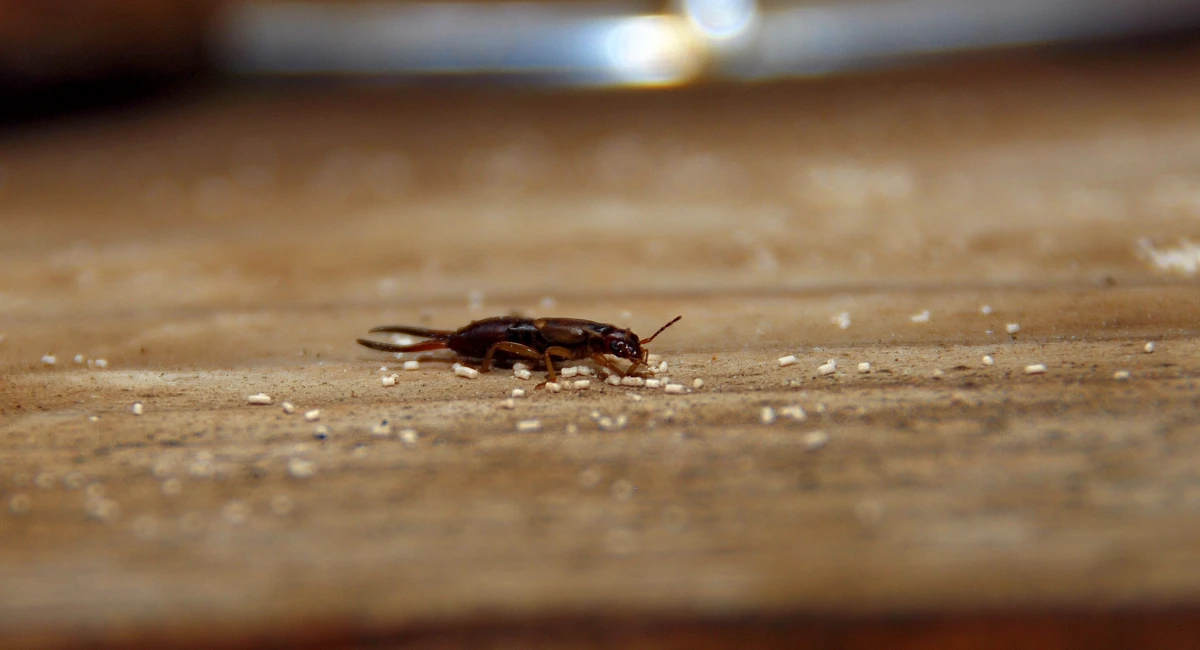
- Earwigs: Despite the name, earwigs don’t have a special habit of crawling into ears. The “ear” part is more folklore than fact. Earwigs generally prefer damp outdoor spots like mulch, leaf litter, and under rocks.
Signs it’s more than a false alarm
Most worries turn out to be nothing. But if an insect is truly in the ear, the sensations are usually sudden and hard to ignore.
Signs can include:
- A distinct tickling, scratching, or movement feeling
- Pain or sharp discomfort
- Buzzing or fluttering sounds (more likely with a small flying insect)
- A feeling of fullness or muffled hearing
- In some cases, later on, swelling or drainage
- If you have severe pain, bleeding, dizziness, or hearing loss, treat it as urgent.
What to do if you think a bug is in your ear
The biggest rule: don’t try to dig it out. Cotton swabs, tweezers, hairpins, and similar tools can push an object deeper or scratch the delicate ear canal, which is easy to injure.
If you strongly suspect a live insect is inside, get medical care promptly. Urgent care and emergency departments regularly treat foreign objects in the ear, and they have the right tools and lighting to remove the bug with a lower risk of harm.
When a pest problem calls for professional help
If your concern is coming from real signs of pest activity, like roaches at night, ants in bedrooms, or insects showing up in multiple rooms, it’s worth scheduling an inspection. Catching an issue early is usually simpler and more affordable than waiting until it escalates.
Professional help can also identify where pests are entering, what’s attracting them, and what steps will actually make a lasting difference. If you’re dealing with unwelcome pests, we’re here to help. Call 800-937-8398 or fill out our online contact form.
Moving into a new home risks welcoming unwanted pests, from insects to rodents. These intruders can damage belongings, spread disease, and cause stress. The possibility of an infestation should be considered in any new living space, regardless of its age or history.
Schedule your free pest inspection today
Get peace of mind knowing your home or business is protected. Our technicians will assess your property and recommend customized solutions.
Book your free pest inspection today
Our local technicians will assess your property and recommend tailored solutions. Fast, friendly, and completely obligation-free.
- Targeted treatments applied safely and responsibly
- Local experts, fast response
- Trusted, trained technicians