© 2026 Rentokil Initial plc and subject to the conditions in the Legal statement
Updated on: June 17, 2026
Quick overview
- Keep luggage off the hotel bed and inspect mattress seams and the headboard for dark droppings, staining, or live bugs
- When you get home, keep bags away from the bedroom and wash everything on the highest heat setting possible
- For the first two weeks after travel, watch for bites, spots on sheets, or a musty smell.
The holidays mean packed airports and busy hotels — and peak season for bed bugs. They're expert hitchhikers, and it doesn't matter how nice the hotel is. All they need is a bag to hide in.

Is it common to bring bed bugs home after traveling?
It’s more common than most people expect. Holiday guests may pick up hitchhiking bed bugs in hotels or on airplanes; even those who simply travel across town may bring bed bugs with them. Bed bugs are seasoned travelers; they love to hide in hotel mattresses, luggage racks, and upholstered headboards, and they're small enough that you'd never notice one hitching a ride home in your suitcase.
It doesn't matter how clean or upscale the hotel is, either. Bed bugs aren't a sign of poor hygiene; they go wherever people go. And with the volume of guests moving through hotels every day, even well-maintained properties can have issues.
Here’s how to avoid bed bugs when traveling.
Steps to avoid bed bugs
Don’t hole up in your home out of fear; instead, follow our top tips below:
1. Move beds away from the walls
Bed bugs are rascally little critters. Instead of lounging around in bed, they scurry into walls and baseboards during daylight hours. Then, as night approaches, they emerge to feed on the blood of their sleeping human hosts. If you're able to, moving beds away from walls leaves one fewer place for bed bugs to hide.
2. Tuck in sheets and blankets
Thankfully, bed bugs can’t jump or fly. Therefore, one simple method of bed bug pest control is to tuck in sheets and blankets. Obviously, bed bugs hiding on any previous guests’ luggage may have been able to climb up bedposts, but tucking in bedding eliminates one easy route to the bed bug kitchen table.
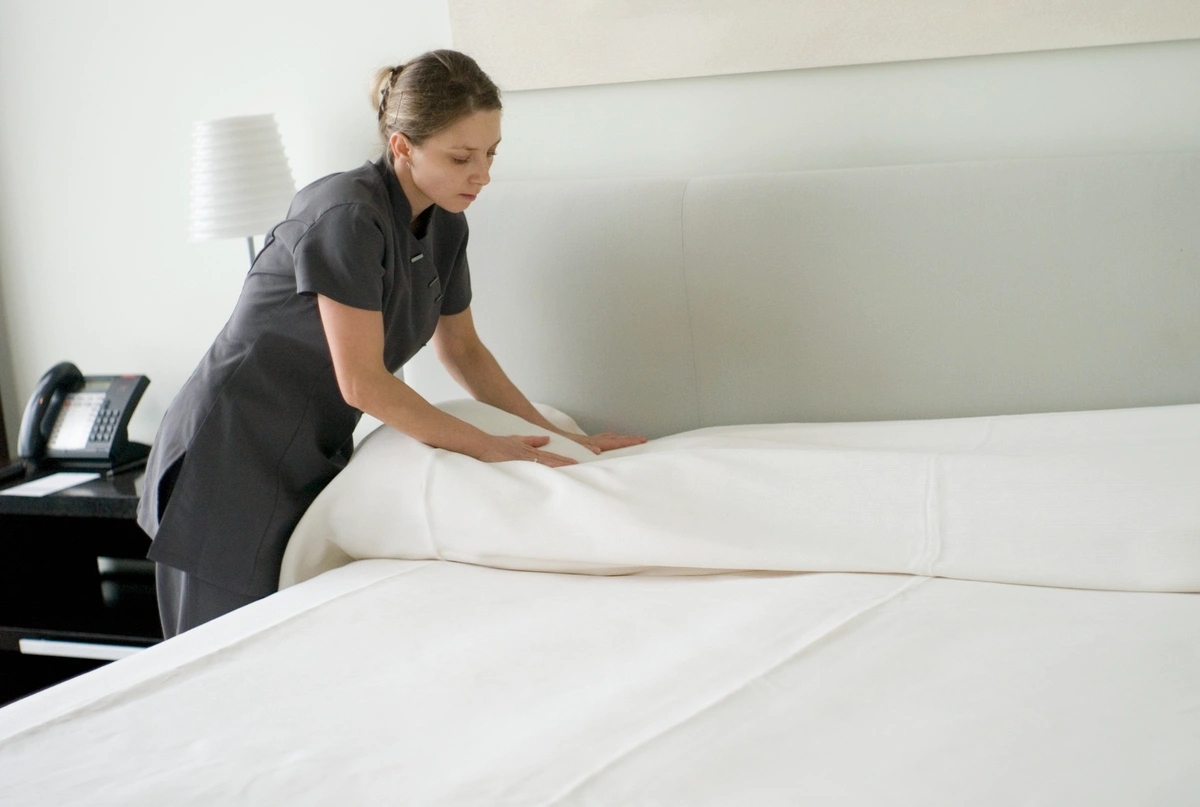
3. Inspect the sheets
Hotels using light-colored bedding make it easier to spot evidence of active bed bug infestations.
One of the most reliable early signs of bed bugs is "blood spots" — tiny dark specks of bed bug feces left near feeding and hiding areas. Against white or pale bedding, these are much easier to spot.
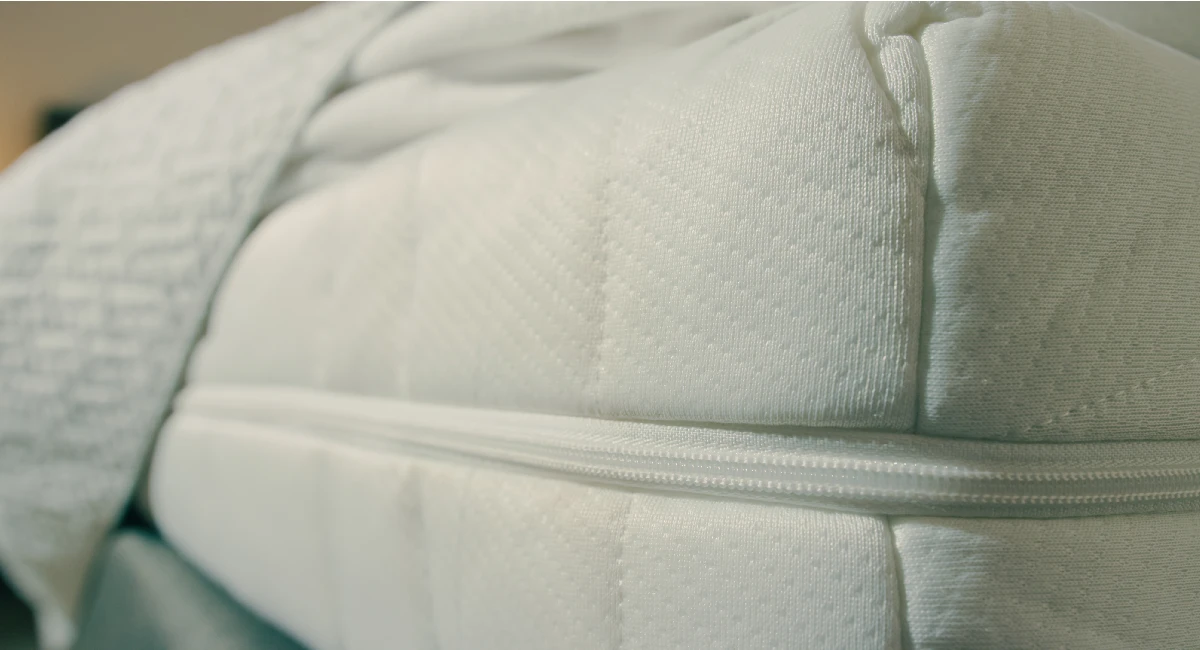
4. Check if your hotel uses mattress encasements
When booking a hotel, it's worth checking whether the property uses mattress encasements. It's not a guarantee, but it's a good sign that the hotel takes pest prevention seriously.
And when you're back home, fitting your own encasements means that even if something did hitch a ride back with you, it's much easier to spot and deal with before it becomes a bigger problem.
5. Remove clutter in your hotel room
It's easy to let things pile up in your room while you're on vacation. But clutter provides bed bugs with more hiding places, making it harder to spot an infestation early.
Keeping your hotel room tidy throughout your stay reduces the number of hiding spots for bed bugs, and increases your chances of noticing them.

Stay on the lookout when you get back home
The first couple of weeks after a trip are the most important window.
And the first thing to get right is your luggage: As tempting as it is to throw your suitcase on the bed when you get home, keep it well away from your sleeping area.
Keep an eye out for bites when you wake up, check your sheets for small spots or staining, and pay attention to any musty smell in the bedroom that wasn't there before. None of these on their own is a definitive sign, but together they're worth taking seriously.
Bed bug infestations are significantly easier to treat when they're caught early, so if something seems off, act on it quickly rather than waiting to see if it gets worse.
Let the experts keep you protected
Even with the best precautions, bed bugs can be hard to spot and harder to deal with on your own. If you suspect you've brought something home, or you just want peace of mind after a trip, we’re here to help.
Call 888-356-4757 or fill out our online contact form.
Schedule your free pest inspection today
Get peace of mind knowing your home or business is protected. Our technicians will assess your property and recommend customized solutions.
Book your free pest inspection today
Our local technicians will assess your property and recommend tailored solutions. Fast, friendly, and completely obligation-free.
- Safe, targeted treatments
- Local experts, fast response
- Trusted, trained technicians