© 2026 Rentokil Initial plc and subject to the conditions in the Legal statement
As dry summer heat peaks or cooler winter rains sweep across coastal and desert regions, rats and mice may seek shelter, water, and food inside commercial facilities. Pests like roof rats take full advantage of tall structures, palm trees, and utility lines to gain entry.
Rodent exclusion is a preventive treatment that can help keep rats and mice out of your business by physically sealing cracks, gaps, and holes around your building. By blocking these vulnerable entry points with durable, weather-resistant materials, you help stop a rodent infestation before it ever starts. Partnering with Western Exterminator to implement comprehensive rodent control helps keep invasive pests outside so your daily operations run uninterrupted.
The costs of a rodent infestation
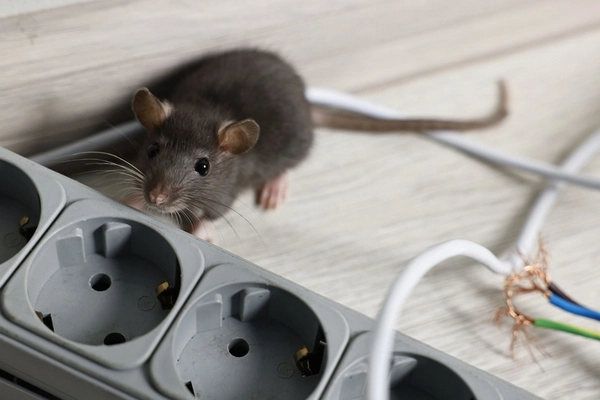
Rodents must gnaw constantly to file down their fast-growing teeth. They can chew through electrical wiring, wooden structural beams, drywall, and insulation. In the West, this chewing can introduce high-stakes risks: gnawed wires carry an elevated threat of structural and electrical fires in arid, drought-prone environments, while weakened wooden support beams can compromise structural safety during regional seismic activity.
Urban centers across the Pacific and Mountain West regularly appear among the cities with most rodents, with high-density hubs like Los Angeles, San Francisco, Seattle, and Phoenix facing continuous pressure. Here are some of the different industries that face unique operational and financial risks when rodents invade:
- Food processing, bars, and restaurants: Contaminated organic ingredients, tainted packaging, ruined harvests, and health department violations or temporary shutdowns.
- Tech campuses and office facilities: Severed fiber-optic cables, destroyed server lines, compromised network uptime, and stained acoustic ceiling tiles.
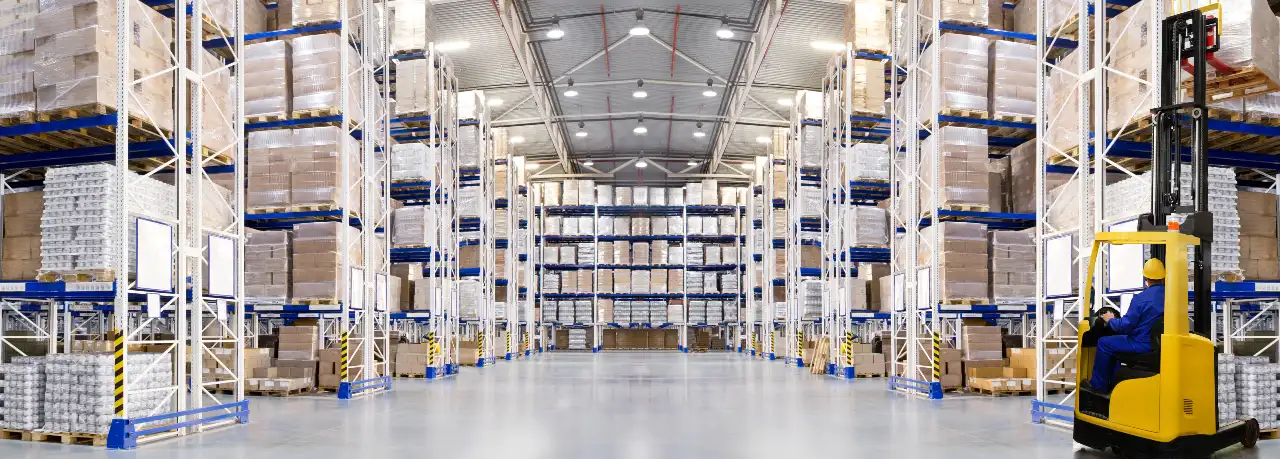
- Warehouses and cross-dock logistics: Chewed bulk inventory on pallets, contaminated shipping containers, and disrupted interstate distribution corridors.
- Retail spaces and grocery storefronts: Ruined soft goods, contaminated dry stock, negative consumer reviews, and declining foot traffic.
Understanding rodent exclusion vs. rodent control
Rodent exclusion and active rodent management work together, but they tackle infestations at completely different stages:
- Exclusion is a proactive approach. Technicians inspect your facility's exterior to locate every potential access gap, sealing them with impenetrable materials to deny entry.
- Traditional rodent control is reactive. Traps, interior bait devices, and monitoring stations help manage pests that have breached the perimeter.
Physical barrier protection serves as the essential first tier of Integrated Pest Management (IPM). Emphasizing prevention first dramatically curbs the need for reactive treatments down the line. It’s also important to keep in mind that some states, like California, have enacted stringent environmental regulations that can heavily restrict or ban many rodent control methods, making an IPM approach crucial.
What rodent exclusion can look like at your business
Mice can squeeze through crevices as narrow as a dime, and rats can enter through gaps no larger than a quarter. Tile roofs create voids at the eave lines; expansion joints in concrete slab foundations shift over time; and decorative exterior stucco finishes can develop hollows and voids around utility penetrations. Additionally, agile rat species, especially roof rats, can readily climb trees and wires to target high-level roof openings.
Targeted commercial exclusion seals these specialized structural features:
- Rooflines, Spanish tile eaves, and vents: Securing barrel tile gaps, roof overlaps, turbine vents, and rooftop HVAC exhausts against roof rats.
- Dock levelers and overhead doors: Fitting heavy-duty, chew-proof door sweeps and vertical brush seals along high-traffic loading docks to eliminate ground clearances.
- Stucco weep screeds and mortar lines: Fortifying foundation transitions, stucco expansion joints, and weep screeds with gnaw-proof wire cloth.
- Slab joints and utility penetrations: Sealing electrical conduits, water piping, and refrigeration lines with metallic compounds to halt mouse control emergencies before they start.
What materials can be used for rodent exclusion?
Rats and mice can chew through standard spray foams, plastics, wood, and standard rubber weatherstripping. Effective barriers require materials engineered to handle sharp teeth and intense climatic conditions. In Western states, exclusion materials must also endure extreme UV radiation, dry heat cycles, and coastal salt air without cracking, warping, or deteriorating.
At Western Exterminator, we take rodent exclusion to the next level with our innovative Flexi Armour® exclusion barriers. Made from durable, knitted stainless steel mesh and flexible carrier strips, Flexi Armour is designed to fit snugly into uneven expansion joints, dock leveler gaps, and architectural voids, providing a robust physical barrier against rodent entry. This advanced solution ensures maximum protection for your commercial facility.
The benefits of investing in rodent exclusion
Pairing exclusion with professional rat control can help protect your bottom line across diverse commercial industries by addressing both active infestations and the structural vulnerabilities that allow rodents to return. While trapping and baiting can remove existing populations, sealing entry points helps prevent new rodents from entering, delivering financial and operational protection across several key sectors:
- Long-term cost savings: Blocking access helps prevent equipment downtime, expensive wire replacement, and spoiled agricultural or retail inventory.
- Strict audit compliance: Facilities in agriculture, biotechnology, food processing, and pharmaceuticals stay fully compliant with FDA, USDA, and third-party audit benchmarks.
- Reputation management: Customer reviews, social media photos, and public health scores can make or break a commercial brand. Preventing rodents helps protect your business reputation.
How to get started with rodent exclusion
As seasonal weather shifts trigger rodent migrations toward warm, sheltered interiors, leaving your building unprotected can pose an operational liability.
Western Exterminator begins with a comprehensive, top-to-bottom inspection of your commercial facility. Our rodent exclusion experts evaluate exterior roof transitions, foundations, loading docks, and utility lines to locate current activity and structural vulnerabilities. We then install durable, climate-tested barriers tailored directly to your building layout.
Stop infestations before they cross your threshold, contact us today to schedule your commercial rodent control inspection.
Book your free pest inspection today
Our local technicians will assess your property and recommend tailored solutions. Fast, friendly, and completely obligation-free.
- Safe, targeted treatments
- Local experts, fast response
- Trusted, trained technicians